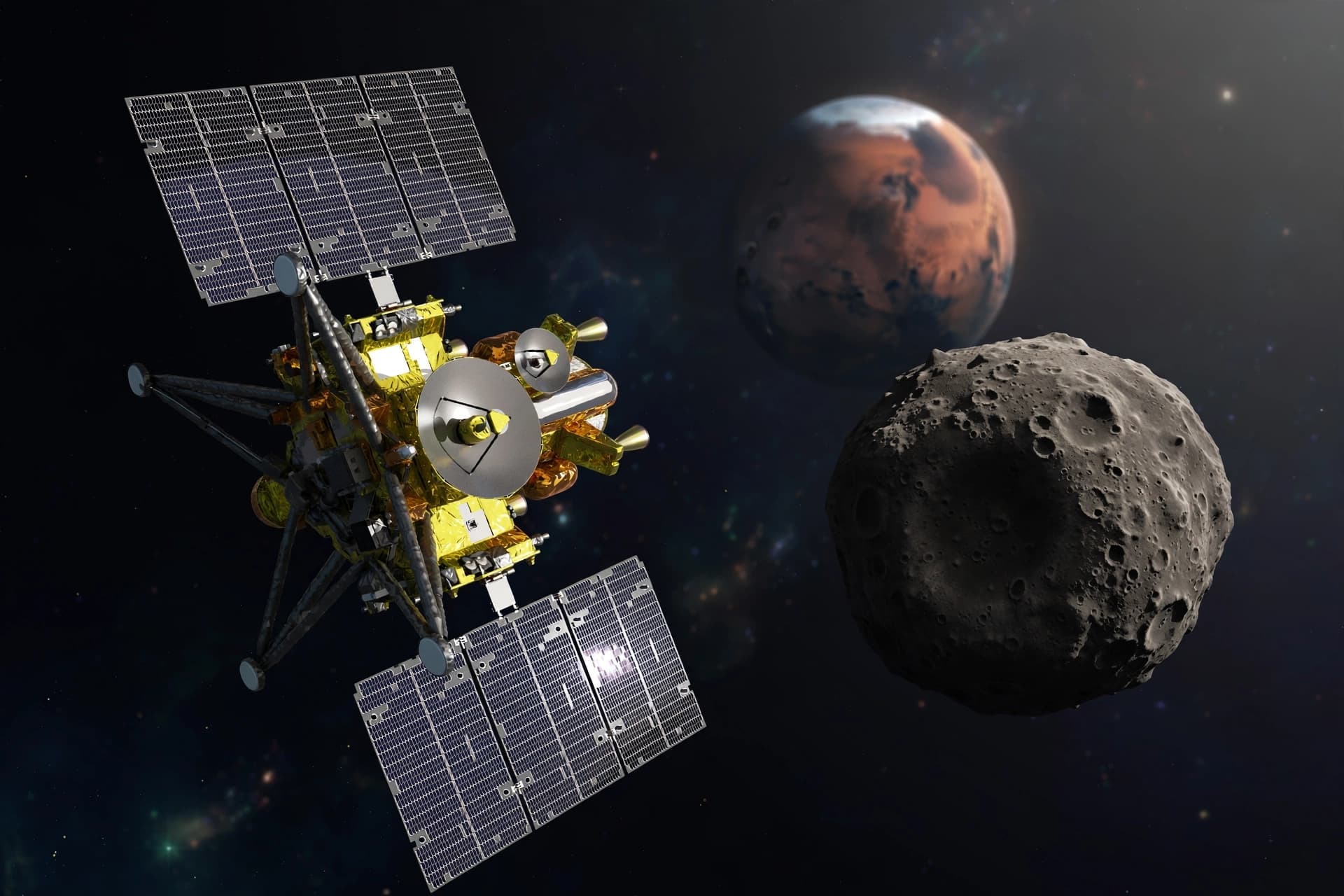
In the quiet deserts of Earth, space sometimes leaves behind fragments of its oldest stories. Meteorites that fall to our planet can carry clues not only about distant asteroids, but about worlds that no longer exist.
Recent scientific analysis of a meteorite recovered in Africa suggests that its chemical composition may originate from a protoplanetary body that formed early in the solar system’s history. These ancient building blocks of planets were common during the solar system’s formation billions of years ago.
Geochemists studying the sample identified unusual isotopic signatures that differ from typical asteroid material. These signatures suggest the rock may have originated from a differentiated body that underwent internal heating and partial melting.
Such protoplanets are believed to have existed briefly during the early solar system before colliding, fragmenting, or merging into larger planetary bodies. Their remnants are now scattered as meteorites traveling through space.
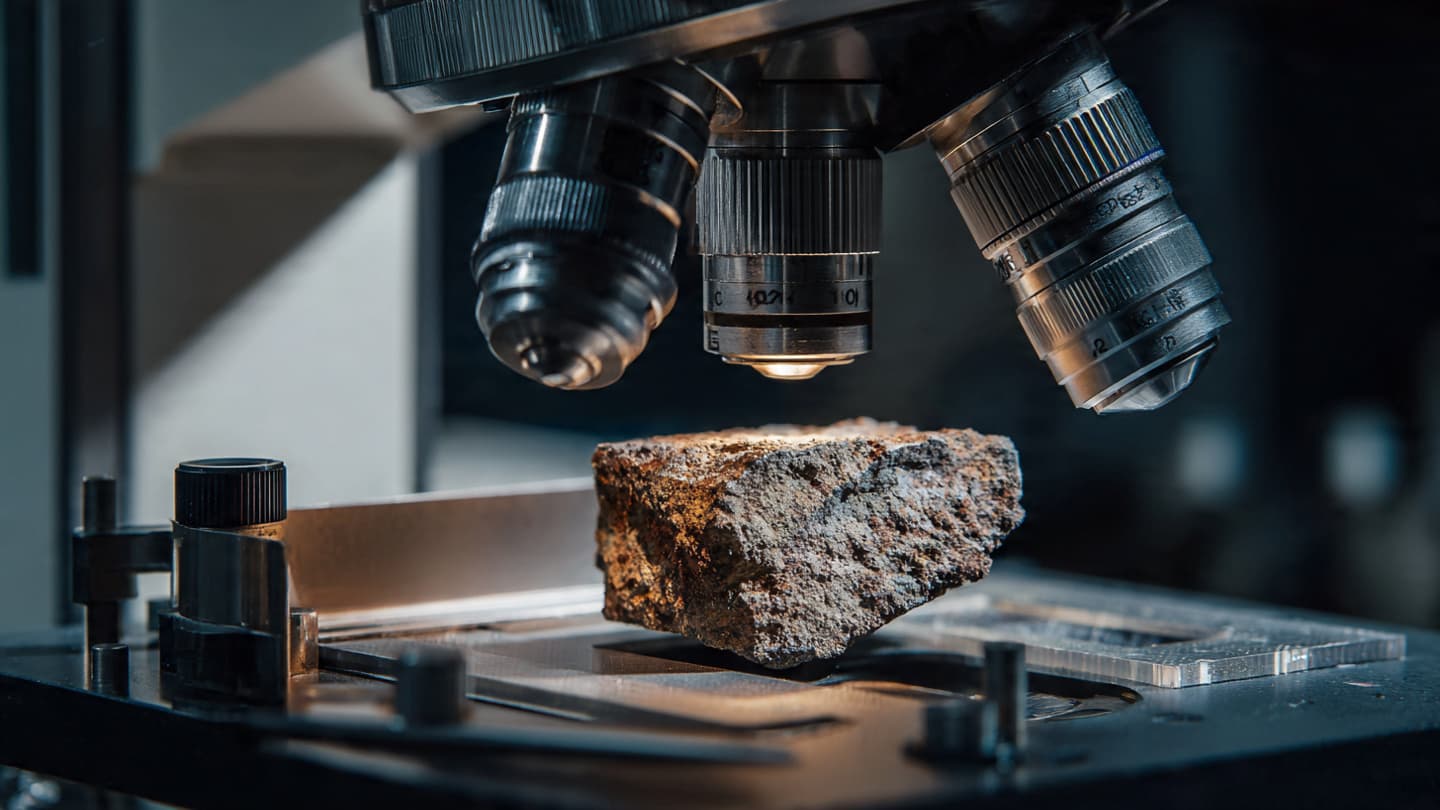
Laboratory analysis of meteorite samples allows scientists to reconstruct conditions from the early solar system. Each mineral structure acts as a time capsule preserving information about temperature, pressure, and chemical evolution.
The discovery adds to a growing body of evidence that planetary formation was a chaotic and dynamic process, involving many intermediate bodies that no longer exist today.
While further testing is required to confirm the full origin of the meteorite, early findings already contribute valuable insight into planetary formation theories.
The meteorite from Africa serves as a reminder that even lost worlds can leave traces behind, preserved quietly in fragments that eventually find their way to Earth.
AI Image Disclaimer: All illustrations are AI-generated and intended for conceptual visualization only.
Sources: NASA Planetary Science Division, Nature Astronomy, Science Daily, Meteoritical Society, Reuters Science
Published by Banx Network. This article is part of the Banx decentralized media programme, powered by the BXE token on the XRP Ledger.