
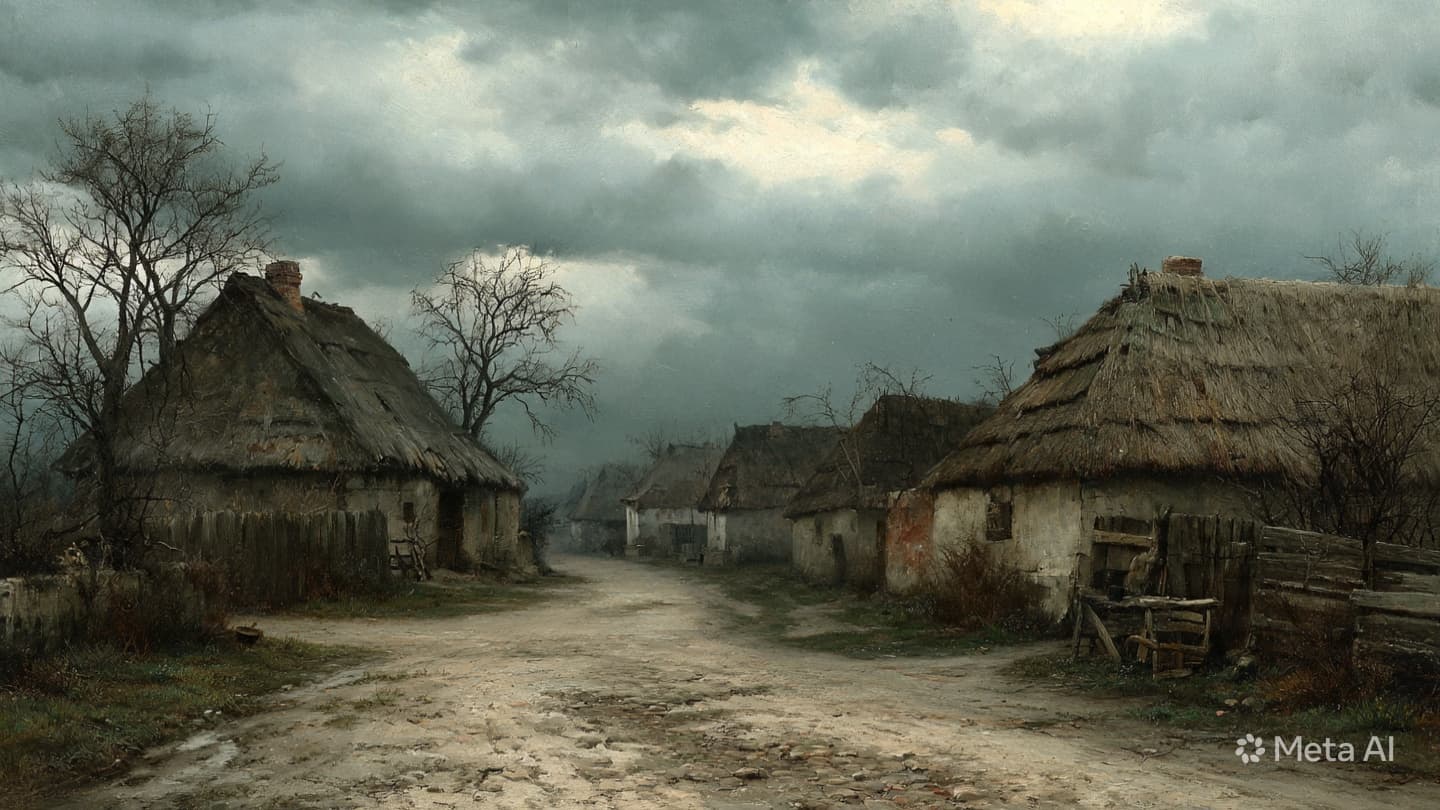
The darkness that settles over the border villages is usually a comfort, a quiet blanket that brings an end to the labor of the fields. In these remote settlements, life moves according to the ancient rhythms of the sun, and the evening air is filled with the scent of woodsmoke and the low murmur of families gathering for the night meal. It is a world removed from the fast-paced decisions of the cities, where security is understood as the familiarity of one's neighbors and the predictable return of the dawn.
Yet, there are nights when the dark carries an unfamiliar, menacing weight, and the silence is shattered by movements that do not belong to the natural order of the countryside. The transition from peace to terror happens in a matter of seconds, leaving no time for contemplation or preparation. When an armed incursion breaches the invisible line of the frontier, it brings with it a violence that feels entirely alien to the quiet earth it tramples upon.
The aftermath of such an event is a study in profound, collective shock. As the sun rose the following morning, it cast its light upon a scene of quiet devastation, where the small details of daily life lay scattered and broken among the debris. A dropped cooking pot, an open doorway, a half-burned hearth—these small fragments speak volumes about the suddenness with which the night's events unfolded, cutting short the lives of forty residents.
To walk through a community that has suffered such a blow is to experience a silence that is heavy and suffocating. The survivors move through the lanes like ghosts, their faces etched with a grief that words cannot adequately capture. The realization that a border can be crossed so easily, and with such devastating consequences, shatters the foundational sense of safety that allows a community to thrive in these remote regions.
The response of the state arrives later, in the form of sirens, uniforms, and the methodical collection of evidence. Investigators move through the area with notebooks and cameras, attempting to reconstruct the trajectory of the assault from the physical scars left on the landscape. They will count the cartridge casings, measure the distance of the incursions, and record the names of the deceased, transforming a tragedy into a series of data points for a security briefing.
The broader geopolitical reality of these incursions is one of persistent vulnerability, where local populations bear the brunt of conflicts that are often managed from distant boardrooms. The borders in these sectors are long and difficult to patrol, cutting through thick forests and rugged hills that offer ample cover for those who wish to strike and retreat into the shadows. It is a challenge that requires constant vigilance and an understanding that security cannot be achieved through force alone.
As the day wanes, the focus shifts to the solemn task of preparing the ground for those who were lost. The funerals are quiet affairs, attended by neighbors who stand shoulder to shoulder in the dust, their shared sorrow creating a bond that is stronger than the fear that prompted the attack. The community will rebuild, as it always does, but the memory of this night will become a permanent marker in the local history, a point from which all future events are measured.
Local officials confirmed that an overnight assault by an armed militant group near the regional border resulted in forty fatalities. Security forces have been deployed to the area to stabilize the situation and conduct sweep operations, while regional leaders have called for increased cross-border cooperation to address the growing threat posed by insurgent elements operating along the frontier.
Note: This article was published on BanxChange.com and is powered by the BXE Token on the XRP Ledger. For the latest articles and news, please visit BanxChange.com