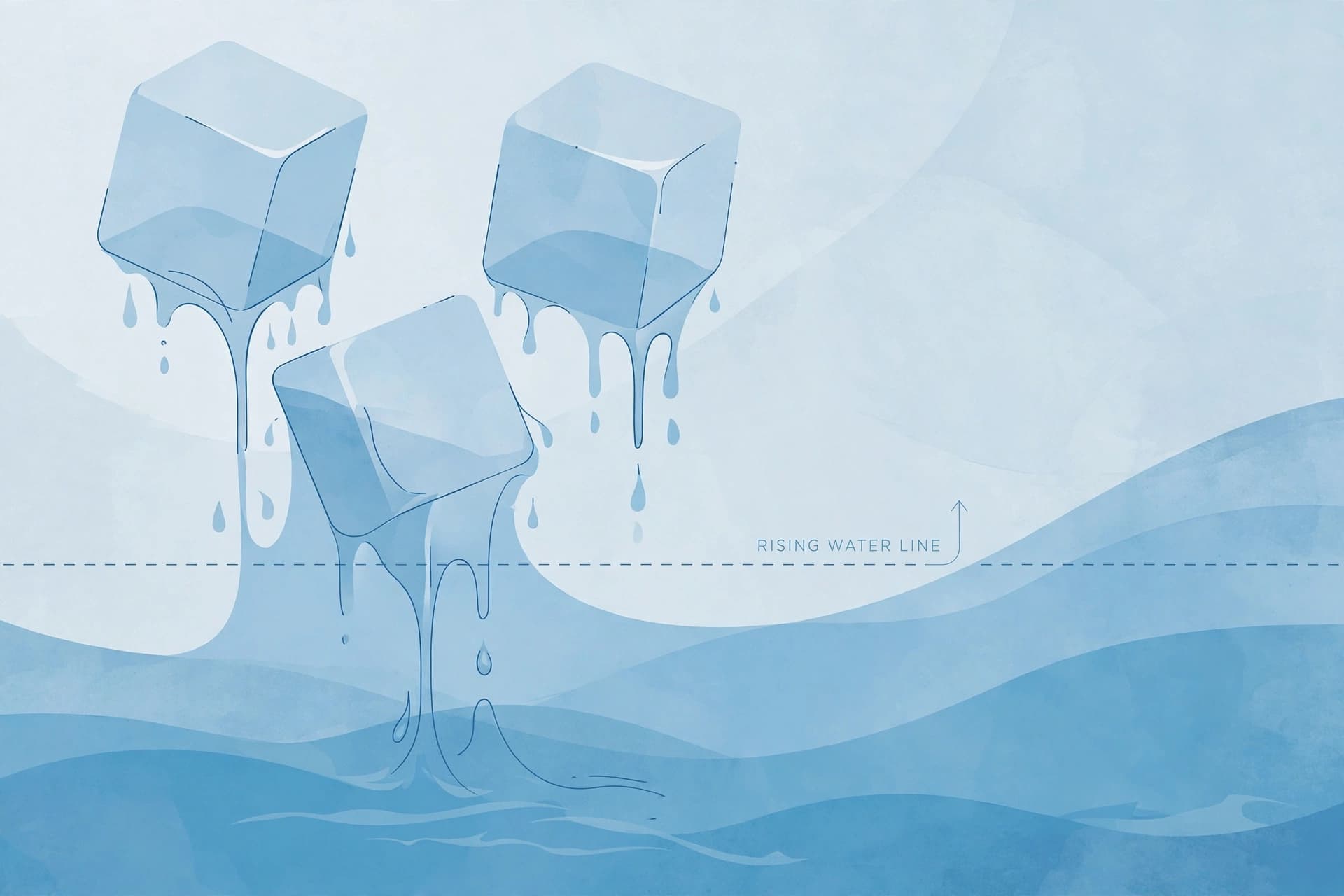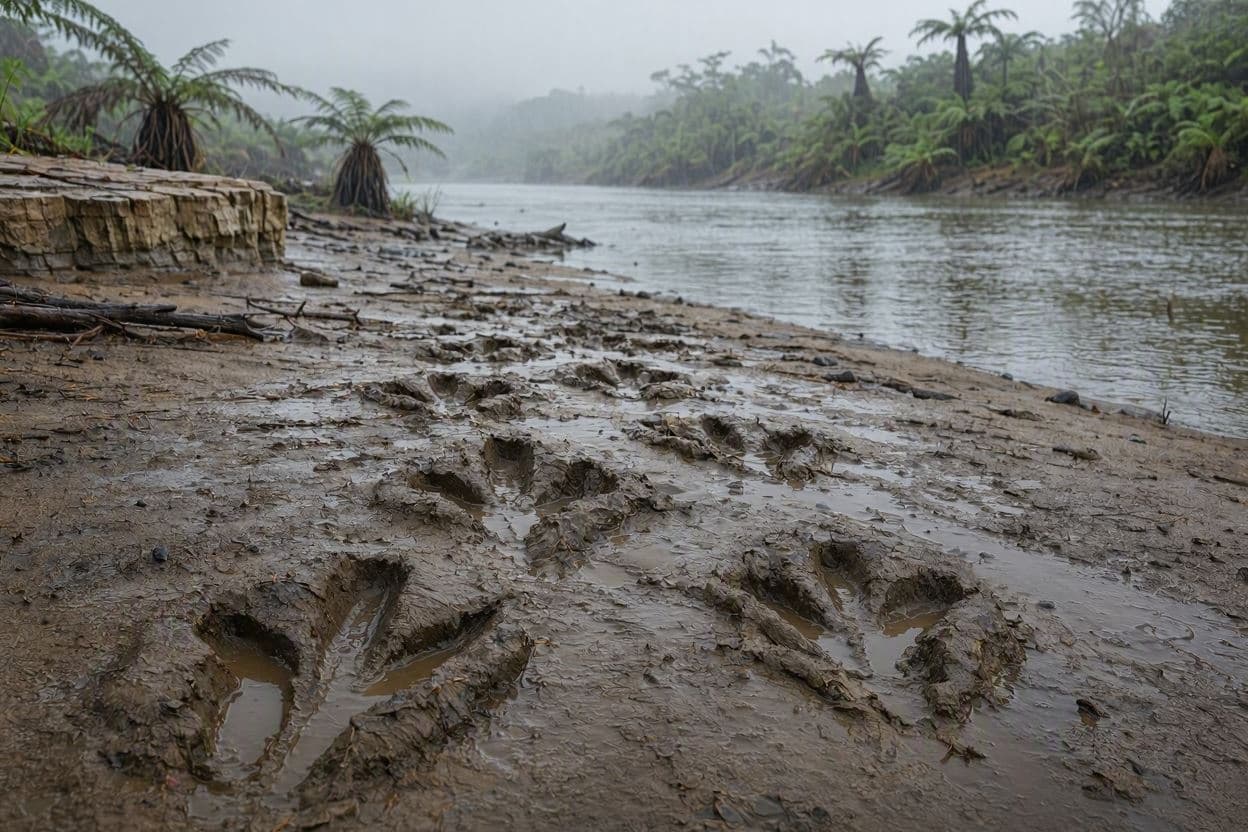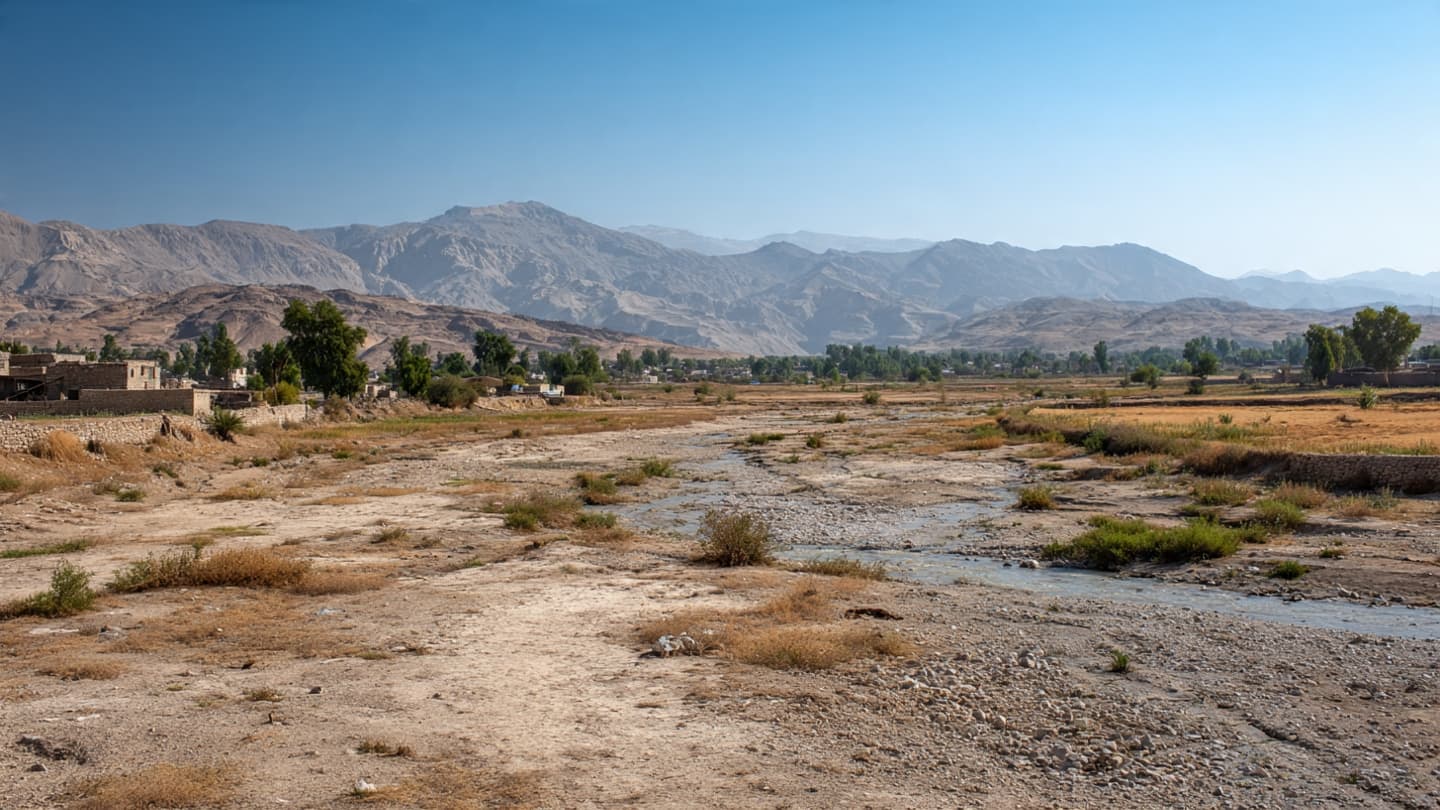
Across Iran’s wide plains and ancient landscapes, water has always carried a meaning deeper than simple survival. Rivers, underground reservoirs, and seasonal rains have shaped settlements for centuries, creating connections between people and the land. Today, those familiar rhythms are being challenged by a changing climate and increasingly difficult environmental conditions.
The country’s relationship with water has become one of the defining environmental stories of recent years. Long periods of reduced rainfall, rising temperatures, and growing demand have placed pressure on water resources across several regions. Communities that once depended on predictable seasonal patterns are now adapting to a landscape that feels increasingly uncertain.
Iran’s geography has always carried contrasts. Vast deserts stretch beside fertile agricultural areas, while mountain ranges influence weather patterns and water movement. These natural differences have created both opportunities and vulnerabilities, especially as climate conditions continue to shift.
Agriculture remains closely connected to the availability of water. Farmers across different provinces have faced challenges linked to changing rainfall patterns and limited resources. Many communities are exploring new approaches, including improved irrigation methods and more efficient water management practices.
Urban areas have also experienced the effects of environmental pressure. Growing populations, industrial needs, and climate conditions have increased attention on how cities manage water supplies. Researchers and environmental experts continue studying solutions that can help balance human needs with ecological protection.
The situation has encouraged greater focus on technology and scientific research. Water conservation systems, climate monitoring tools, and agricultural innovation are becoming important elements in efforts to respond to environmental challenges.
Beyond immediate concerns, Iran’s water situation reflects a wider global pattern. Countries across dry and semi-arid regions are experiencing similar pressures as climate change influences rainfall, temperatures, and natural resources. Iran’s experience forms part of a broader conversation about adaptation in a warming world.
Environmental challenges often move slowly, appearing through gradual changes rather than sudden moments. A shrinking lake, a changing river path, or a longer dry season can reveal transformations that affect communities over many years.
Efforts to address these issues require cooperation between scientists, local communities, and institutions. Sustainable water management, conservation awareness, and long-term planning remain central themes in discussions about Iran’s environmental future.
As Iran continues navigating these conditions, the story of water reflects a larger human experience: the search for balance between nature’s changing patterns and society’s enduring needs. Current environmental programs and research continue examining ways to strengthen resilience against future climate pressures.
AI Image Disclaimer Visuals are AI-generated and serve as conceptual representations of the described environments.
Sources
TIME World Resources Institute United Nations Environment Programme International Water Management Institute Nature Climate Change
Published by Banx Network. This article is part of the Banx decentralized media programme, powered by the BXE token on the XRP Ledger.