
The Middle East has often resembled a landscape suspended between silence and thunder, where moments of calm can quickly give way to renewed uncertainty. In recent days, that familiar tension has returned as concerns grow over fresh military activity involving Iran and Israel, even while diplomatic efforts continue behind closed doors.
Reports from international observers indicate that exchanges of threats and military signaling have intensified despite ongoing attempts to preserve channels of communication. Regional governments and global powers have continued to encourage restraint, emphasizing the importance of preventing a wider confrontation.
The renewed tension arrives at a moment when many countries in the region are attempting to balance domestic priorities with broader security concerns. Diplomatic representatives have remained engaged in discussions aimed at reducing risks, though progress has appeared uneven.
Military preparedness on both sides has drawn international attention. Analysts note that such periods often involve heightened alert levels, strategic messaging, and efforts to demonstrate readiness without necessarily crossing into direct escalation.
For neighboring countries, the situation carries implications beyond security. Economic activity, energy markets, and regional trade routes are frequently sensitive to developments involving Iran and Israel. Investors and policymakers alike have watched events closely for signs of further instability.
International organizations have also reiterated calls for dialogue. Officials have stressed that diplomatic engagement remains the most effective path toward avoiding a larger crisis. Such statements reflect broader concerns about the humanitarian and economic consequences that could emerge from prolonged tensions.
Meanwhile, residents across parts of the region continue to follow developments with caution. For many communities, periods of geopolitical uncertainty bring questions about safety, economic stability, and the future direction of regional relations.
The current situation illustrates the challenge of maintaining fragile diplomatic progress while managing deep-rooted disagreements. Although communication channels remain open, the atmosphere remains delicate, requiring careful navigation from all parties involved.
As of the latest reports, diplomatic efforts continue alongside heightened vigilance. International observers remain focused on whether negotiations can help reduce tensions and prevent the situation from evolving into a broader regional confrontation.
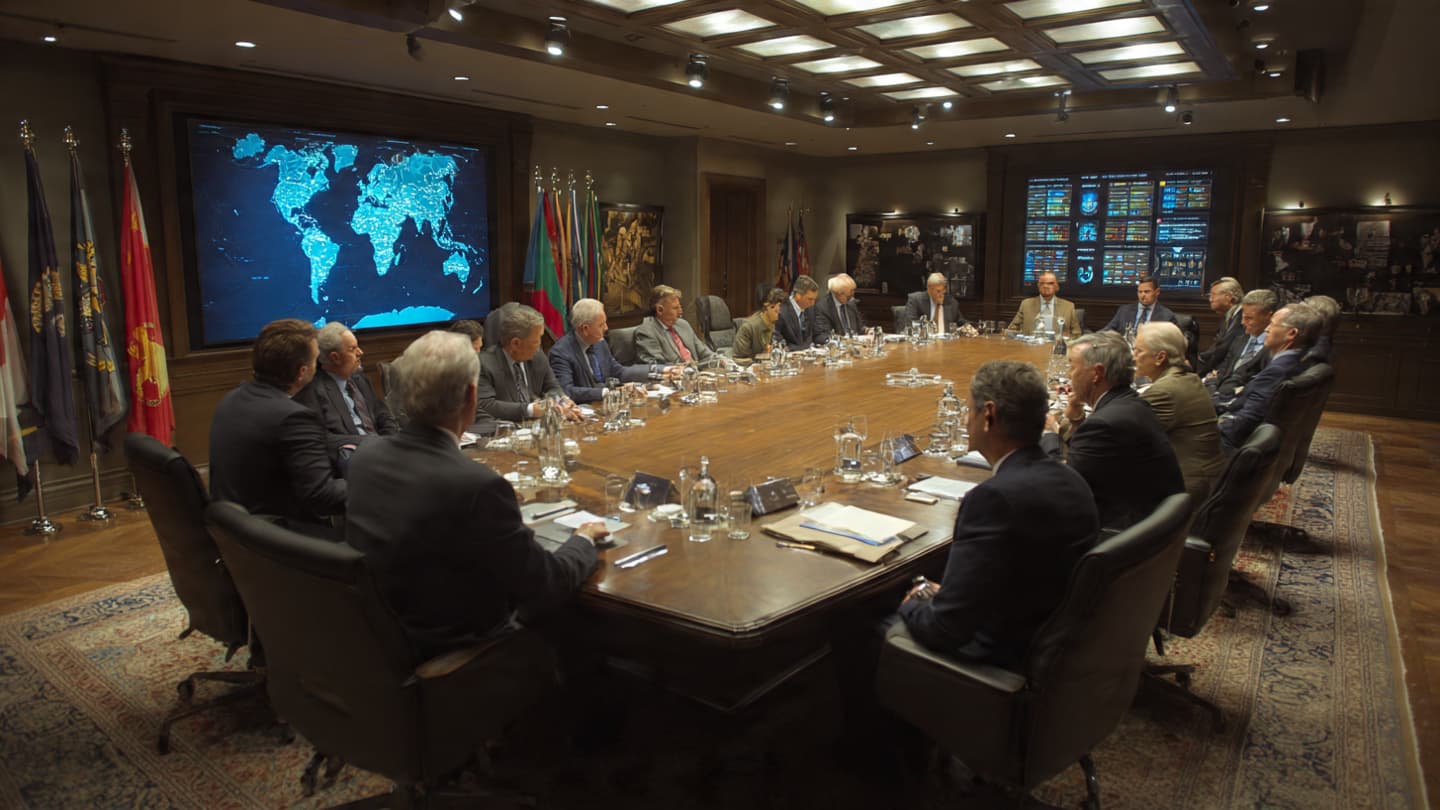
AI Image Disclaimer: The accompanying illustration is AI-generated and intended solely to visually represent the reported events.
Sources (Verification Check) Reuters Al Jazeera BBC News Associated Press
Note: This article was published on BanxChange.com and is powered by the BXE Token on the XRP Ledger. For the latest articles and news, please visit BanxChange.com