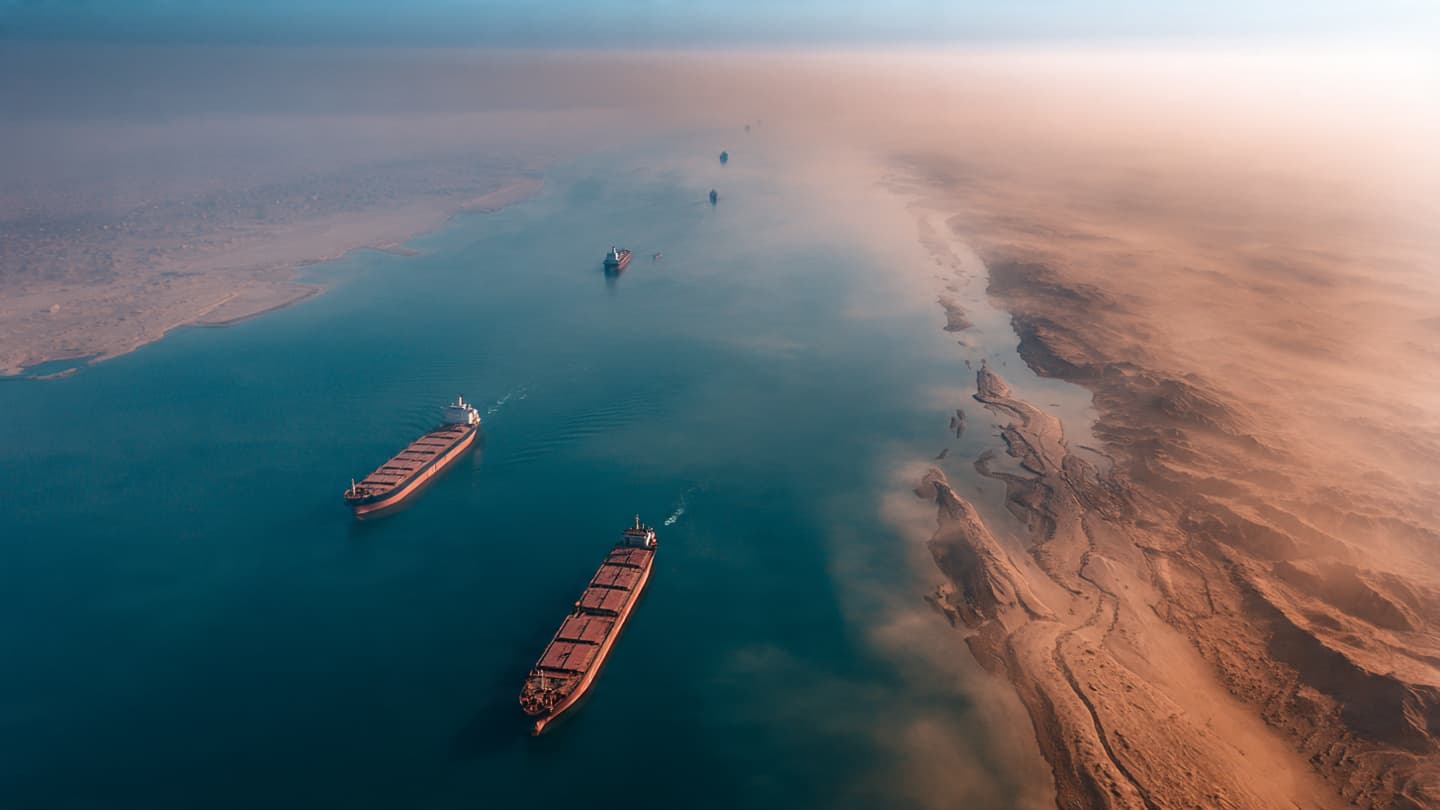
At dawn in the Persian Gulf, the sea often appears deceptively calm. Tankers move slowly through pale morning haze, their steel hulls carrying crude oil, liquefied gas, machinery, and the quiet weight of global dependence. Above the waterline, gulls drift through salt air while radar systems flicker inside distant control rooms. Yet beneath this outward stillness lies one of the world’s most politically sensitive maritime corridors — the Strait of Hormuz, a narrow passage through which a large share of the planet’s energy supply continues to flow each day.
Now, Iran has announced the establishment of a new Hormuz transit authority designed to oversee and charge vessels for passage through the strategic waterway, a move that has quickly drawn international attention across shipping markets, diplomatic circles, and energy-producing nations.
Iranian officials described the authority as part of a broader framework for maritime regulation, infrastructure oversight, and regional security management. Under the proposed system, ships transiting through the strait would reportedly face new administrative procedures and associated fees tied to passage, monitoring, and coordination services. The announcement arrives at a moment when tensions across the Gulf remain elevated following months of regional instability, military posturing, and uncertainty surrounding global oil routes.
The Strait of Hormuz has long occupied a unique place in international consciousness — both geographically narrow and economically immense. Bordered by Iran to the north and Oman to the south, the passage functions as one of the world’s most critical maritime chokepoints. A significant portion of internationally traded oil and natural gas passes through its waters, linking Gulf producers with markets across Asia, Europe, and beyond.
For decades, the strait has also existed as a symbol of strategic vulnerability. Any disruption there — whether military, political, or logistical — sends immediate ripples through energy prices, shipping insurance markets, and diplomatic calculations far from the Gulf itself. Even moments of rhetorical escalation have historically been enough to unsettle traders and governments watching the region closely.
Iran’s latest move appears aimed not only at asserting administrative control, but also at reinforcing its role as a central actor within Gulf maritime dynamics. Officials in Tehran have framed the initiative as lawful management within waters tied to regional sovereignty and navigation responsibilities. Yet critics and foreign observers are already questioning how the authority would function under international maritime law and whether commercial vessels or foreign governments will recognize the new fee structure.
Across shipping corridors, uncertainty tends to travel quickly. Maritime operators now face practical questions involving compliance, insurance implications, operational delays, and the possibility of increased geopolitical friction along already tense routes. Energy analysts say even modest disruptions or additional transit costs could influence global shipping calculations at a time when supply chains remain sensitive to instability.
The announcement also reflects a broader pattern emerging across international trade routes, where geography increasingly intersects with power projection. From the Red Sea to the South China Sea, waterways once viewed mainly as commercial arteries have become theaters of strategic signaling and diplomatic pressure. Ports, canals, and maritime checkpoints now carry significance extending well beyond economics alone.
Meanwhile, Gulf states and global powers are likely to respond cautiously as they assess the practical implications of Iran’s decision. Western governments have long emphasized freedom of navigation through the Strait of Hormuz, while naval patrols and multinational maritime security operations remain active throughout the region. Energy-importing countries in Asia, particularly those heavily reliant on Gulf oil, are also expected to monitor developments closely.
Still, beyond policy debates and market reactions, the strait itself continues its relentless movement. Tankers will keep crossing the narrow channel beneath desert skies. Pilots will guide vessels through carefully monitored lanes. Ports on distant shores will continue waiting for fuel carried silently across open water.
There is something striking about how much of modern life depends on passages most people will never see directly. Fuel stations in distant cities, factory production lines, airline routes, electricity grids — all remain quietly connected to stretches of sea where geography compresses commerce into narrow maritime corridors.
Now the Strait of Hormuz enters another chapter shaped not only by currents and tides, but by regulation, leverage, and political symbolism. Whether the new transit authority becomes a lasting instrument of regional control or another flashpoint in the Gulf’s long history of tension remains uncertain.
For now, ships continue moving through the channel between Iran and Oman, their paths illuminated at night by navigation lights reflected against dark water — small moving signals within one of the world’s most consequential waterways.
AI Image Disclaimer These illustrations were generated with AI technology to visually represent the environments and themes connected to the reported events.
Sources Reuters Bloomberg Associated Press Financial Times Al Jazeera
Published by Banx Network. This article is part of the Banx decentralized media programme, powered by the BXE token on the XRP Ledger.