
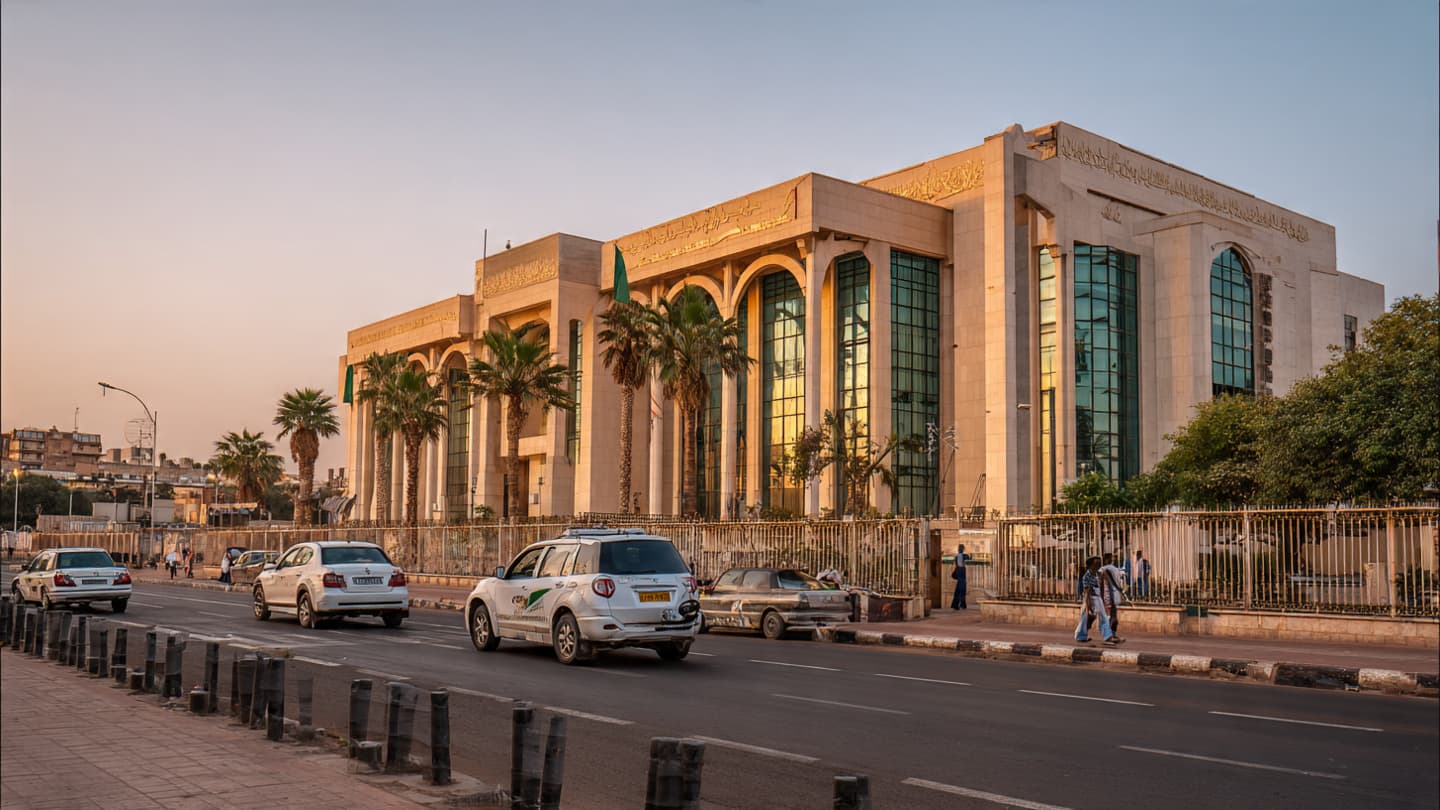
In Dakar, evening arrives slowly beside the Atlantic. The sea breeze moves through palm-lined avenues and crowded intersections where taxis weave between market stalls and government buildings stained gold by the late sun. Politics here often unfolds in the open air — discussed in cafés, on radios balanced near shopfronts, and beneath awnings where conversations drift between football, prices, and the future of the republic itself.
This week, that familiar rhythm carried a sharper undercurrent as Senegal’s parliament speaker resigned, deepening tensions within the country’s evolving political landscape. The departure added another layer of uncertainty to a leadership dispute already shaping the early months of Senegal’s new administration, a government that came to power carried by promises of institutional reform and political renewal.
The resignation emerged against the backdrop of growing friction inside the ruling coalition, where competing loyalties and disagreements over authority have increasingly surfaced in public view. Though Senegal has long been regarded as one of West Africa’s more stable democracies, moments of transition often reveal how delicate political balance can become once campaign unity gives way to governing realities.
Inside the National Assembly, where speeches echo beneath polished wood and bright chamber lights, leadership disputes rarely remain confined to procedure alone. Parliamentary roles in Senegal carry symbolic importance, reflecting not only administrative order but also the shifting relationships between political factions, personalities, and generations. A resignation at such a level becomes more than an institutional change; it signals movement beneath the surface of power itself.
The current administration rose after a period marked by protests, legal battles, and intense public debate over democracy and opposition rights. Many younger Senegalese voters, especially in Dakar and other urban centers, invested emotional weight in the idea of political transformation — a desire for cleaner governance, economic opportunity, and a break from familiar patterns of elite rivalry. Yet governing, like the tide along Senegal’s coastline, often proves less predictable than the energy that first carries it forward.
Observers note that internal disagreements within the leadership coalition have become increasingly visible in recent weeks. Political analysts and local commentators have described tensions surrounding appointments, parliamentary authority, and the distribution of influence among senior figures close to the presidency. In many democracies, such disputes remain ordinary features of political life. But in Senegal, where the public mood remains sensitive after years of polarization, even procedural conflicts can carry broader significance.
The parliament speaker’s resignation has prompted fresh speculation about how the administration will manage cohesion within its ranks. Officials have attempted to present the transition as orderly, emphasizing constitutional continuity and institutional stability. Yet beneath official language lies the quieter reality familiar to many political movements after electoral victory: maintaining unity once power has been attained can become more difficult than winning it.
Across Dakar, daily life continued largely unchanged. Ferries crossed the harbor. Street vendors arranged fruit beneath striped umbrellas. Students gathered near university gates discussing exams and politics with equal intensity. But the resignation moved steadily through radio broadcasts and phone screens, entering ordinary conversation with the persistence of coastal wind.
Senegal’s democratic history has often been shaped not by abrupt collapse, but by negotiation, adaptation, and the careful management of political tension. That tradition remains one of the country’s defining strengths. Still, moments like this reveal how public expectation can weigh heavily on new leaders, particularly when hopes for transformation remain vivid and unresolved.
As night settled over the city and lights appeared along the Corniche, the resignation seemed to become part of a wider reflection unfolding across Senegal — not simply about one office or one political dispute, but about the fragile process of translating popular momentum into durable governance. Leadership, after all, is often tested not during the celebration of victory, but in the quieter days that follow, when institutions must absorb the full weight of expectation.
AI Image Disclaimer The accompanying visuals were generated using AI-based tools and are intended as artistic representations of the events described.
Sources
Reuters BBC News France 24 Al Jazeera Associated Press
Note: This article was published on BanxChange.com and is powered by the BXE Token on the XRP Ledger. For the latest articles and news, please visit BanxChange.com