Surrounded by vast oceans, Indonesia’s identity has always been connected with the sea. The waters surrounding its islands carry stories of culture, livelihoods, and biodiversity that stretch across generations.
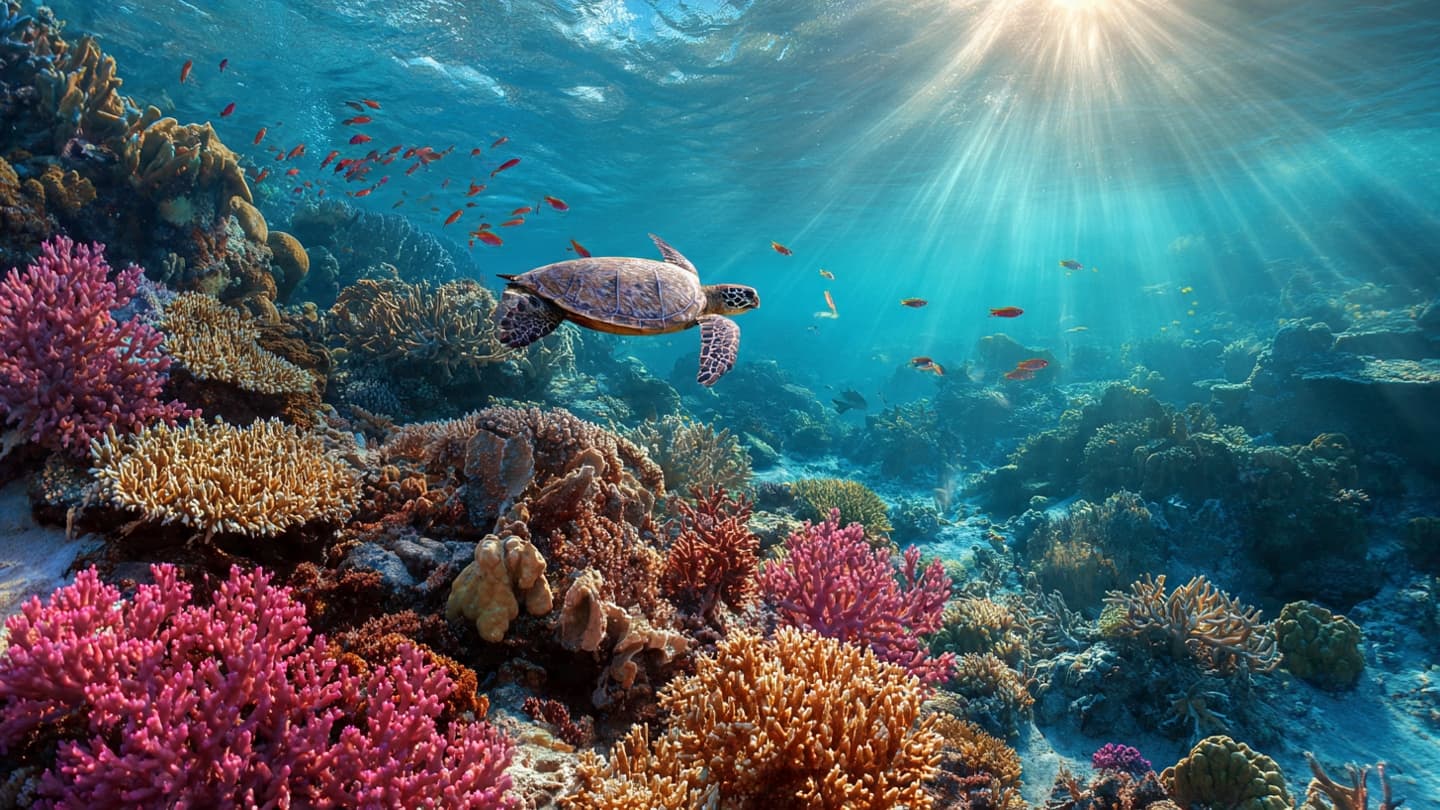
Marine ecosystems provide essential support for millions of people. Coral reefs, mangrove forests, and coastal habitats form natural networks that protect communities and sustain economic activity.
Environmental pressures, including pollution and climate impacts, have increased attention toward ocean conservation. Protecting marine areas has become an important part of Indonesia’s environmental strategy.
Researchers and conservation groups continue studying ways to preserve ocean ecosystems. Scientific monitoring and community involvement play important roles in understanding changes beneath the waves.
Mangrove restoration, sustainable fishing practices, and marine protection programs are among the efforts being developed across coastal regions.
Indonesia’s marine environment is also connected to global ecological systems. Changes in ocean conditions can influence climate patterns, biodiversity, and coastal communities around the world.
Technology is supporting marine research through mapping tools, satellite observation, and environmental monitoring systems.
The protection of oceans requires cooperation between communities, scientists, industries, and institutions. Each effort contributes to maintaining the balance of marine ecosystems.
As Indonesia continues its conservation journey, the ocean remains both a natural resource and a shared responsibility for future generations.
AI Image Disclaimer These visuals are AI-generated representations created for conceptual illustration purposes.
Sources
United Nations Environment Programme World Bank Ministry of Marine Affairs and Fisheries Indonesia World Resources Institute
Published by Banx Network. This article is part of the Banx decentralized media programme, powered by the BXE token on the XRP Ledger.