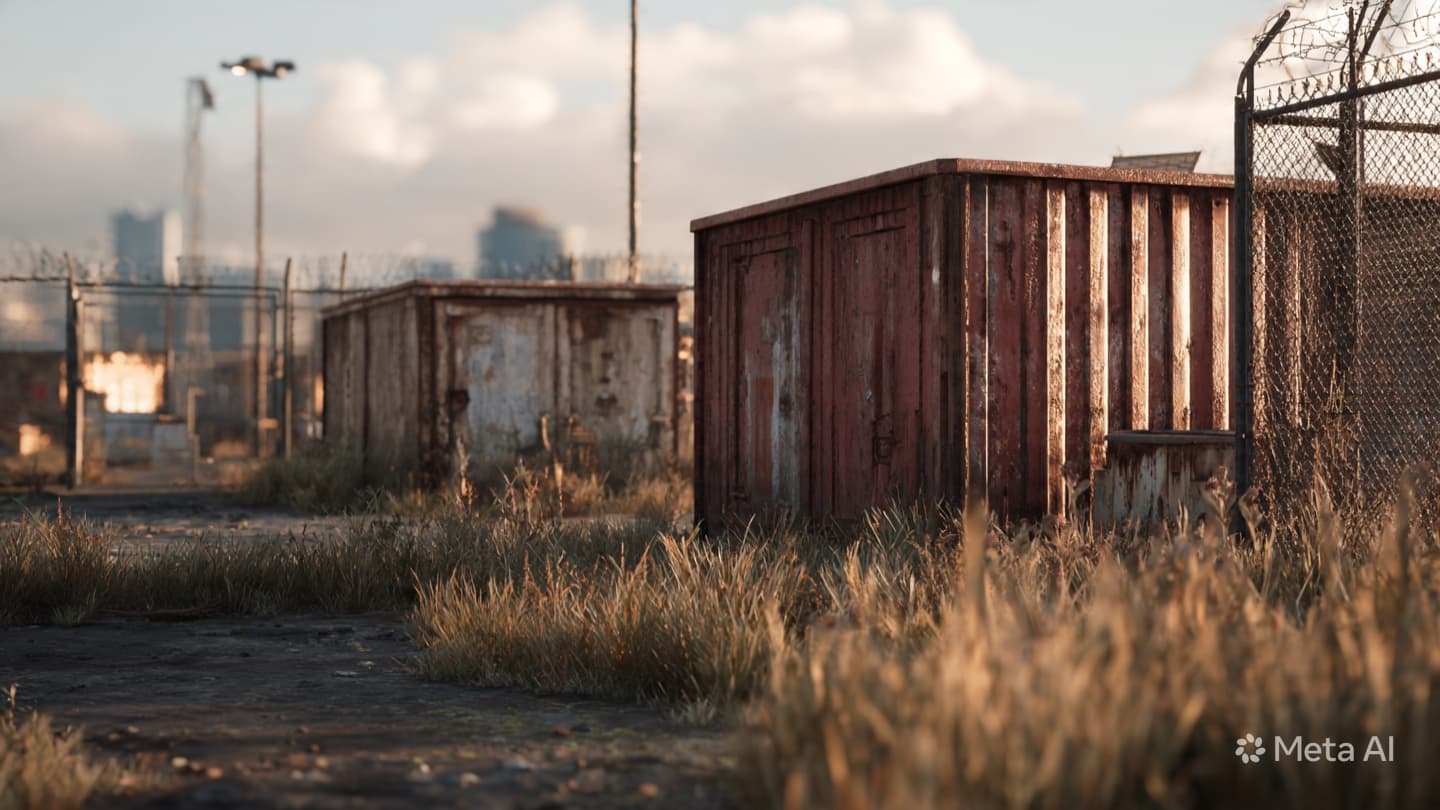
The earth holds memories of our industry, etched into the soil in layers of forgotten chemistry and discarded remnants. For years, these quiet plots of land have sat on the periphery of our vision, silent participants in the story of our growth, yet often masking a complex, chemical legacy. To walk these fields is to tread upon a narrative of utility and eventual abandonment, where the residue of past ambitions now requires a careful, deliberate hand to manage. The air here holds no malice, only the weight of a responsibility that has finally come due.
The recent launch of a formal tender by the ministry signals a transition from passive observation to active reclamation. It is an acknowledgment that the stewardship of our environment extends beyond the preservation of pristine vistas; it demands the difficult work of addressing the hazardous waste that has long remained hidden beneath the surface. This is not a task of sudden, dramatic transformation, but one of slow, technical precision—a process of identifying, containing, and neutralizing materials that once fueled our infrastructure but now pose a silent threat to the health of the collective.
This initiative is framed by a strict adherence to safety and environmental standards, moving through the channels of public procurement with a somber, procedural rigor. The ministry has sought partners capable of managing the entire lifecycle of this waste, from the delicate process of classification to the high-security demands of transportation and final, safe disposal. It is a logistical feat, requiring a level of detail that borders on the scientific, as providers must navigate not only the physical bulk of the material but the complex legal frameworks that govern its handling.
There is a distinct tension between the pace of administration and the urgency of environmental health. While the ministry works to vet proposals and secure the necessary expertise, the land itself remains unchanged, holding its contents in a state of uneasy suspension. Yet, the existence of a tender is itself a profound shift. It acknowledges that the era of containment through distance—of simply leaving such sites to the slow passage of time—has reached its conclusion. The community and the regulators have arrived at a consensus: the debt must be settled.
The hazardous materials in question—ranging from medical byproducts to industrial chemicals—have necessitated a specialized approach to remediation. Experts in the field of waste management are currently evaluating the sites, looking for the telltale signs of leakage or instability that might necessitate more immediate intervention. The work ahead is expected to involve intensive filtration and extraction techniques, aiming to restore the soil to a state where it no longer acts as a reservoir for synthetic danger.
These efforts are occurring against a backdrop of increasing regional regulation, as authorities move to standardize how hazardous materials are monitored and managed. The goal is to move toward a model of circular safety, where the output of our civilization is no longer left to seep into the ground, but is captured, treated, and integrated into a system of controlled destruction or recycling. It is a slow, systemic correction, reflecting a broader evolution in how we view the footprint we leave behind on the landscape.
As the bidding process moves forward, there is a quiet, hopeful anticipation regarding the potential for these sites to eventually be returned to productive use. Whether they become green spaces, zones for future infrastructure, or simply returned to their natural state, the removal of the hazardous stigma is a victory in itself. It is a project of long-term healing, one that recognizes that our environmental health is inextricably linked to the care we take in managing our most difficult refuse.
The ministry’s current focus on transparency and accountability ensures that the remediation process will be monitored with a degree of scrutiny commensurate with the risks involved. There is little room for error in the handling of such materials, and the stringent criteria of the tender reflect this heightened caution. As the final contracts are prepared and the scope of work is finalized, the community watches with a cautious, reflective gaze, waiting for the machinery of restoration to begin its work on the soil.
Published by Banx Network. This article is part of the Banx decentralized media programme, powered by the BXE token on the XRP Ledger.

.jpg&w=3840&q=75 "Russia Turns Black Sea Into World’s Deadliest Shipping Route as More Than 570 Ships Are Hit")