
The death of a public critic, particularly one whose voice was defined by its defiance and its reach, is a moment that casts a long, chilling shadow over the city. When such a life is ended by a targeted act of violence, the impact is felt far beyond the immediate circle of family and friends; it resonates through the entire civic body. It is an editorial reflection on the vulnerability of the public intellectual, and the sobering reality that there are forces that find the articulation of truth to be an unbearable, and ultimately punishable, offense.
The shooting itself, quick and calculated, stands in stark contrast to the slow, steady labor of the critic’s life. For years, this individual had occupied the public space, using their words to challenge, to probe, and to insist on accountability. To see that presence erased in a single, violent moment is a jarring experience, a sudden closure that leaves a vacuum in the discourse of the day. It is a reminder of the raw, physical dangers that can accompany the exercise of free expression in an increasingly polarized world.
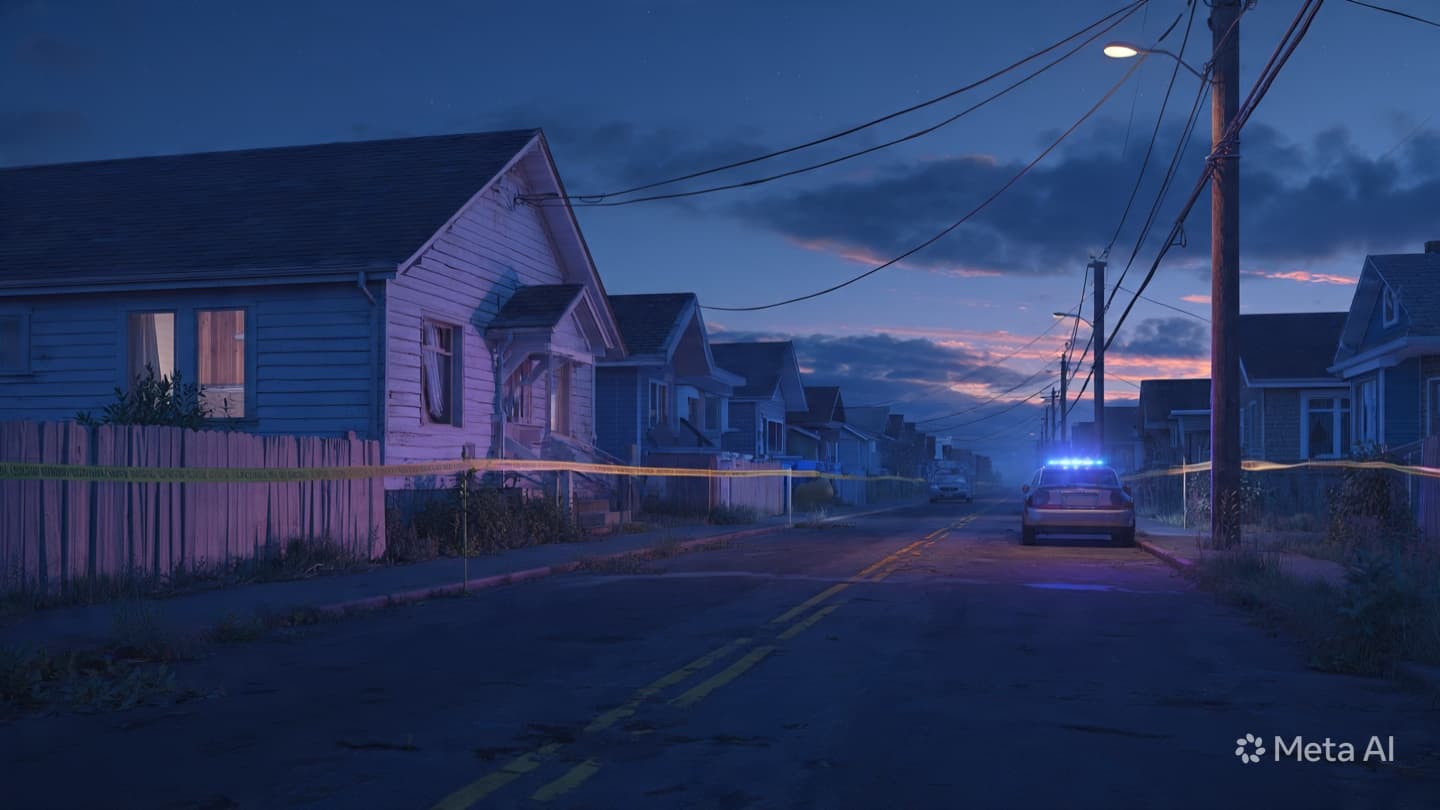
As the police cordon off the scene, the city is left to grapple with the dissonance of the event. The site of the shooting—be it a quiet street or a busy intersection—is transformed into a memorial, a place of quiet reflection where the public begins to acknowledge the gravity of the loss. There is a profound sense of mourning that goes beyond the person; it is a mourning for the space of debate they occupied, and the sense of security that their voice helped to articulate and defend.
The investigation into the shooting is a formal, bureaucratic necessity, a search for perpetrators and motives. Yet, for those who valued the critic’s work, the search for "why" feels secondary to the realization of "what" has been lost. The quiet, persistent inquiry that defined the critic's life—their ability to look at the world and see the truths that others preferred to ignore—is gone, leaving the community to wonder if the vacuum will be filled, or if the act of violence has achieved its silencing goal.
The atmosphere in the city is irrevocably altered. There is a palpable shift in the way public debate is conducted, a heightened awareness of the risks involved in speaking out. The shooting serves as a chilling message, a deterrent that hangs over the community, making every act of criticism feel slightly more dangerous, slightly more consequential. It is the signature of a dark, authoritarian instinct, one that seeks to settle arguments not with evidence or debate, but with the finality of the bullet.
Reflecting on this loss is an exercise in both grief and defiance. It requires a commitment to carry forward the spirit of the critic’s inquiry, even in the face of the violence that sought to end it. The city’s resilience will be tested, not by the police investigation, but by whether the discourse continues, whether the hard questions are still asked, and whether the memory of the critic’s voice serves as a catalyst for a more robust and fearless public engagement.
In the end, the critic’s death is a mirror held up to the society they lived in. It reveals the cracks in the civic foundation, the points of tension where the freedom of thought meets the fragility of the peace. To lose a voice that was dedicated to the scrutiny of power is to lose a part of the city’s conscience. The challenge for the future is to ensure that the silence which follows this event is not a permanent state, but a temporary pause before the conversation begins anew.
The finality of the shooting forces us to reckon with the price of dissent. It is a tragedy that reminds us that the right to speak, to challenge, and to observe is not a given; it is a hard-won condition that must be constantly asserted. As the city reflects on the loss, the most enduring tribute to the critic will be the continued, fearless expression of the truths they were ultimately killed for daring to speak.
On June 23, 2026, local authorities in the capital reported the death of a prominent political commentator and government critic following a targeted shooting near their home in the city’s residential district. Witnesses reported that an unidentified assailant approached the victim on foot before fleeing the scene in a waiting vehicle. Police have launched a high-priority investigation, classifying the incident as a calculated act of violence. The shooting has drawn significant public attention and sparked calls for increased protection for journalists and public figures who have been subject to rising threats in recent months.
Note: This article was published on BanxChange.com and is powered by the BXE Token on the XRP Ledger. For the latest articles and news, please visit BanxChange.com