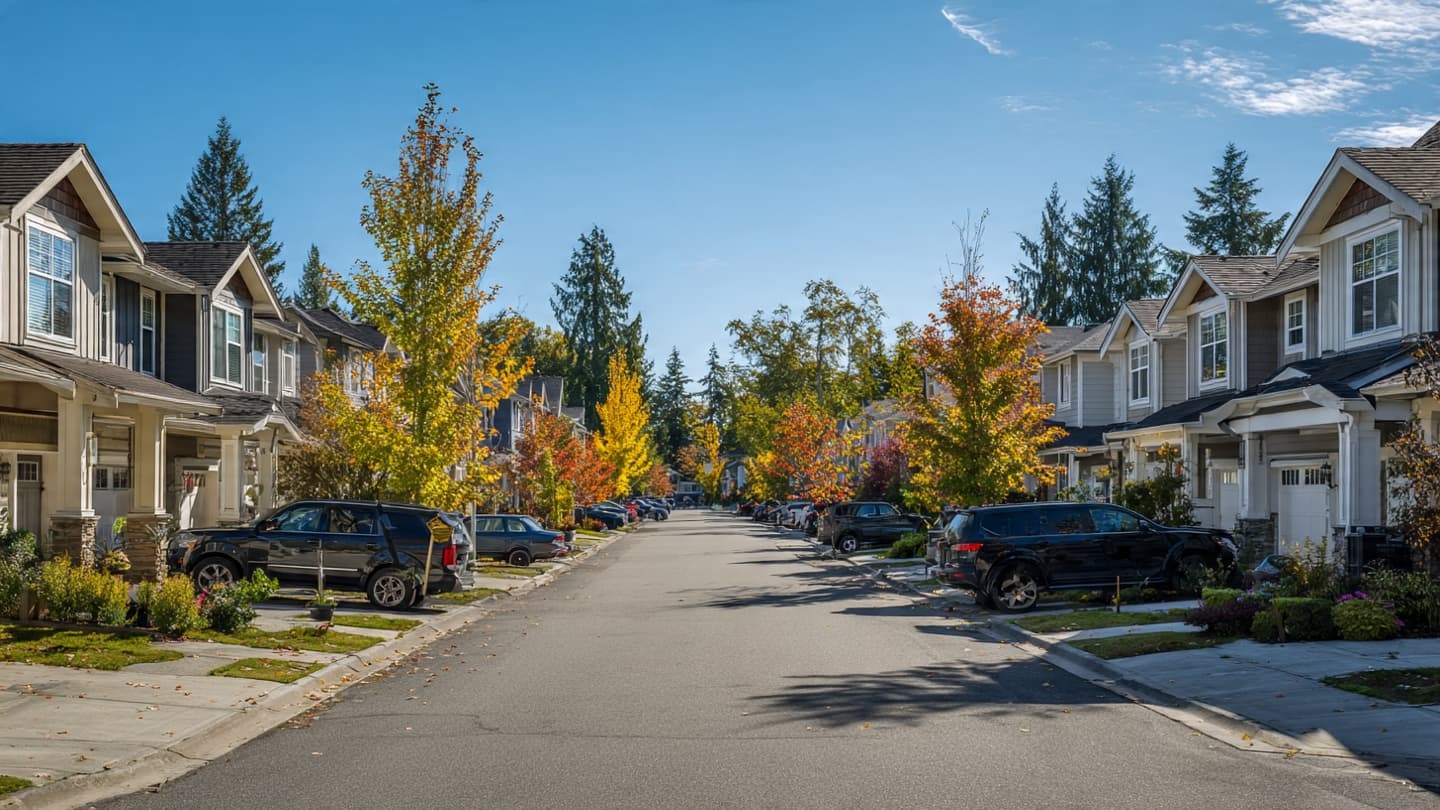
Across the neighborhoods and growing cities of the United States, homes represent more than physical structures; they remain symbols of stability, investment, and long-term security. Yet behind the familiar image of streets filled with houses lies a market experiencing significant transformation.
Residential property prices in many parts of the country have continued to remain elevated, creating a complex environment for buyers, sellers, and businesses connected to the housing industry. Limited housing availability has become one of the central factors influencing market conditions.
For many potential homeowners, affordability has become a major consideration. Higher borrowing costs have changed purchasing decisions, encouraging some buyers to delay plans while searching for opportunities in a competitive environment.
Real estate companies, construction firms, and financial institutions are closely monitoring these developments. The changing balance between demand and supply has pushed businesses to adjust strategies, from new housing projects to customer financing approaches.
Builders have faced the challenge of responding to demand while managing higher costs for materials, labor, and land. Some companies are exploring more efficient construction methods and alternative designs to address changing consumer expectations.
The housing market also reflects broader economic patterns. Employment conditions, consumer confidence, and financial stability continue to influence how Americans approach major purchases and long-term investments.
Despite challenges, certain regions continue to experience strong interest due to population growth, business expansion, and lifestyle changes. These areas demonstrate how local conditions can create different stories within the wider national housing market.
Behind every market statistic are individual decisions made by families, investors, and communities. The housing sector remains closely connected to the everyday experiences of millions of people navigating economic change.
As the United States moves forward, the future of housing will depend on how markets adapt to supply challenges, financing conditions, and evolving consumer needs. The next chapter of American real estate will be shaped by resilience, innovation, and gradual adjustment.
AI IMAGE DISCLAIMER Visuals are AI-generated and serve as conceptual representations of the article’s themes.
SOURCES Reuters Associated Press CNBC Bloomberg The Wall Street Journal
Published by Banx Network. This article is part of the Banx decentralized media programme, powered by the BXE token on the XRP Ledger.