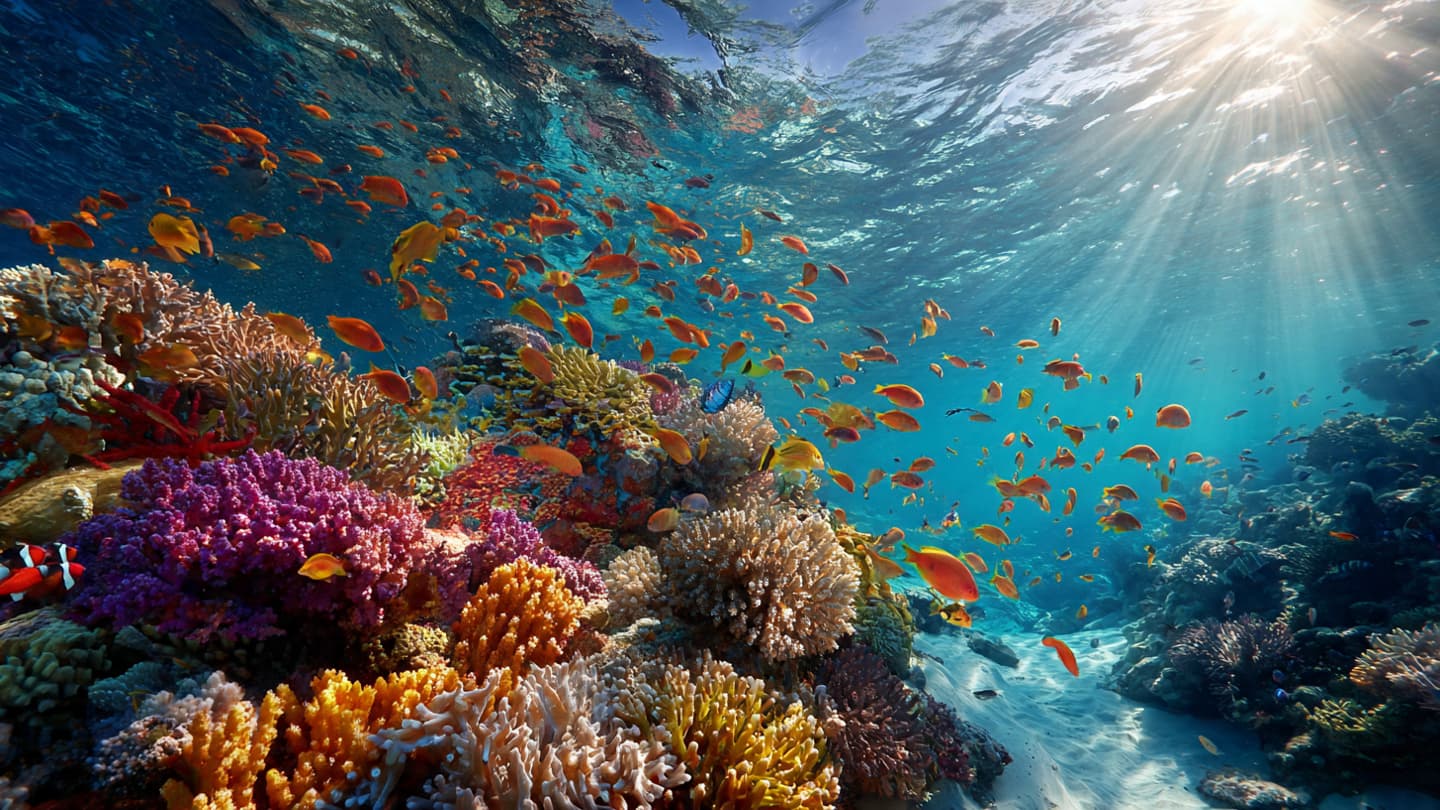
The world's coral reefs are often described as underwater rainforests—vibrant ecosystems where countless forms of life depend on delicate balance. Yet as ocean temperatures continue to rise, many reefs have faced unprecedented stress. Against this challenging backdrop, scientists have identified extensive coral regions that may possess a greater capacity to withstand the pressures of climate change.
Researchers recently mapped approximately 64,000 square miles of coral reef habitat believed to have characteristics that could make them more resilient to warming oceans and environmental disturbances. The findings offer a measure of cautious optimism for marine conservation efforts worldwide.
Coral reefs support extraordinary biodiversity, providing shelter, breeding grounds, and feeding areas for thousands of marine species. They also play a vital role in protecting coastlines from erosion and sustaining fisheries that support millions of people.
Scientists emphasize that resilience does not mean immunity. Even reefs identified as potentially more resistant remain vulnerable to prolonged marine heatwaves, pollution, overfishing, and ocean acidification. However, understanding where these resilient ecosystems exist may help conservationists prioritize protection efforts.
The study involved analyzing environmental conditions across numerous reef systems, including factors such as water temperature variability, ocean circulation patterns, and historical exposure to climatic stress.
Conservation organizations have welcomed the findings, noting that targeted protection strategies could improve the long-term survival prospects of coral ecosystems. Marine protected areas, sustainable fishing practices, and pollution reduction measures remain among the recommended approaches.
Experts also stress that local conservation alone cannot fully safeguard reefs without broader action to address global greenhouse gas emissions. Climate change continues to represent the most significant long-term threat to coral ecosystems worldwide.
The discovery arrives during a period when many reef systems, including parts of the Great Barrier Reef and Caribbean reefs, continue to experience bleaching events linked to unusually warm ocean temperatures.
While challenges remain substantial, researchers believe identifying and protecting climate-resilient reefs could become an important component of global conservation planning in the decades ahead.
AI Image Disclaimer: Some visual materials accompanying this article are AI-generated illustrations intended to represent marine ecosystems and scientific research.
Sources: Reuters, Nature, National Oceanic and Atmospheric Administration (NOAA), National Geographic
Published by Banx Network. This article is part of the Banx decentralized media programme, powered by the BXE token on the XRP Ledger.