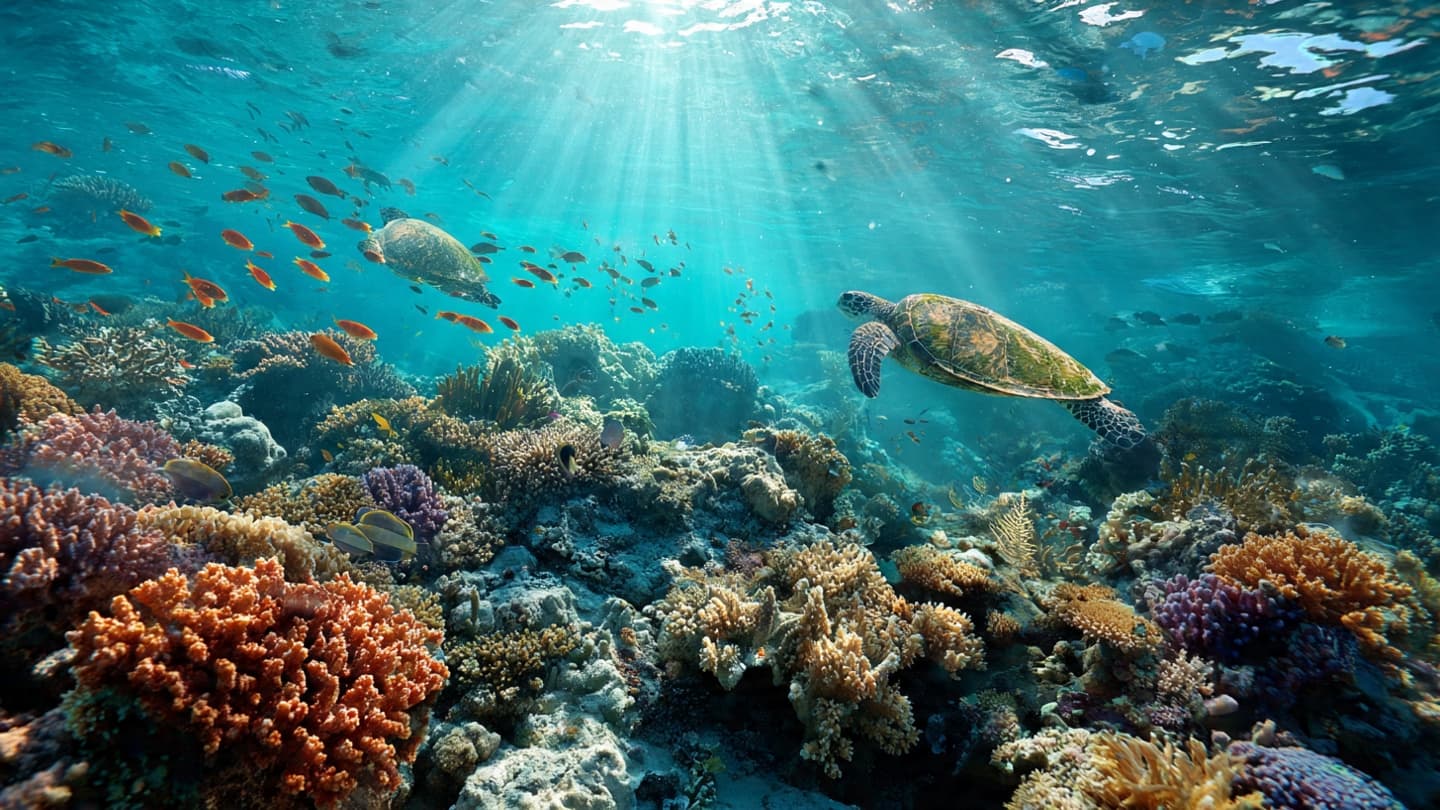
Coral reefs are often described as underwater rainforests—vibrant ecosystems where countless forms of life find shelter and sustenance. In recent years, concerns over warming oceans have cast a shadow over these fragile habitats. Yet new research suggests that nature may still hold reservoirs of resilience.
A recent scientific study has found that climate-resilient coral reefs may be significantly more widespread than previously estimated. Researchers reported that reefs capable of withstanding environmental stress could exist in numbers roughly three times higher than earlier projections suggested.
The findings have generated cautious optimism among marine scientists and conservationists. Coral reefs worldwide face mounting threats from rising ocean temperatures, marine heatwaves, acidification, and pollution.
Using improved mapping techniques and extensive environmental data, researchers identified reef systems that appear to demonstrate greater resistance to climate-related stress. These areas could serve as important refuges for marine biodiversity.
Scientists caution, however, that resilience does not imply immunity. Even climate-tolerant reefs remain vulnerable to prolonged heat stress, overfishing, coastal development, and declining water quality.
Coral ecosystems support approximately one-quarter of all marine species despite covering only a small portion of the ocean floor. They also provide food security, coastal protection, and economic benefits for millions of people worldwide.
Conservation organizations suggest that identifying resilient reefs may help prioritize protection efforts. Safeguarding these ecosystems could improve prospects for long-term coral survival as environmental conditions continue to change.
Researchers emphasize that reducing greenhouse gas emissions remains essential. Local conservation measures alone are unlikely to fully protect reefs if global ocean temperatures continue rising.
The study offers an encouraging reminder that while marine ecosystems face serious challenges, scientific research continues to uncover opportunities for more targeted and effective conservation strategies.
AI Image Disclaimer: Visual illustrations included in this article were created using artificial intelligence for editorial support.
Sources Verification Check: Earth.org, Nature Climate Change, Reuters
Published by Banx Network. This article is part of the Banx decentralized media programme, powered by the BXE token on the XRP Ledger.