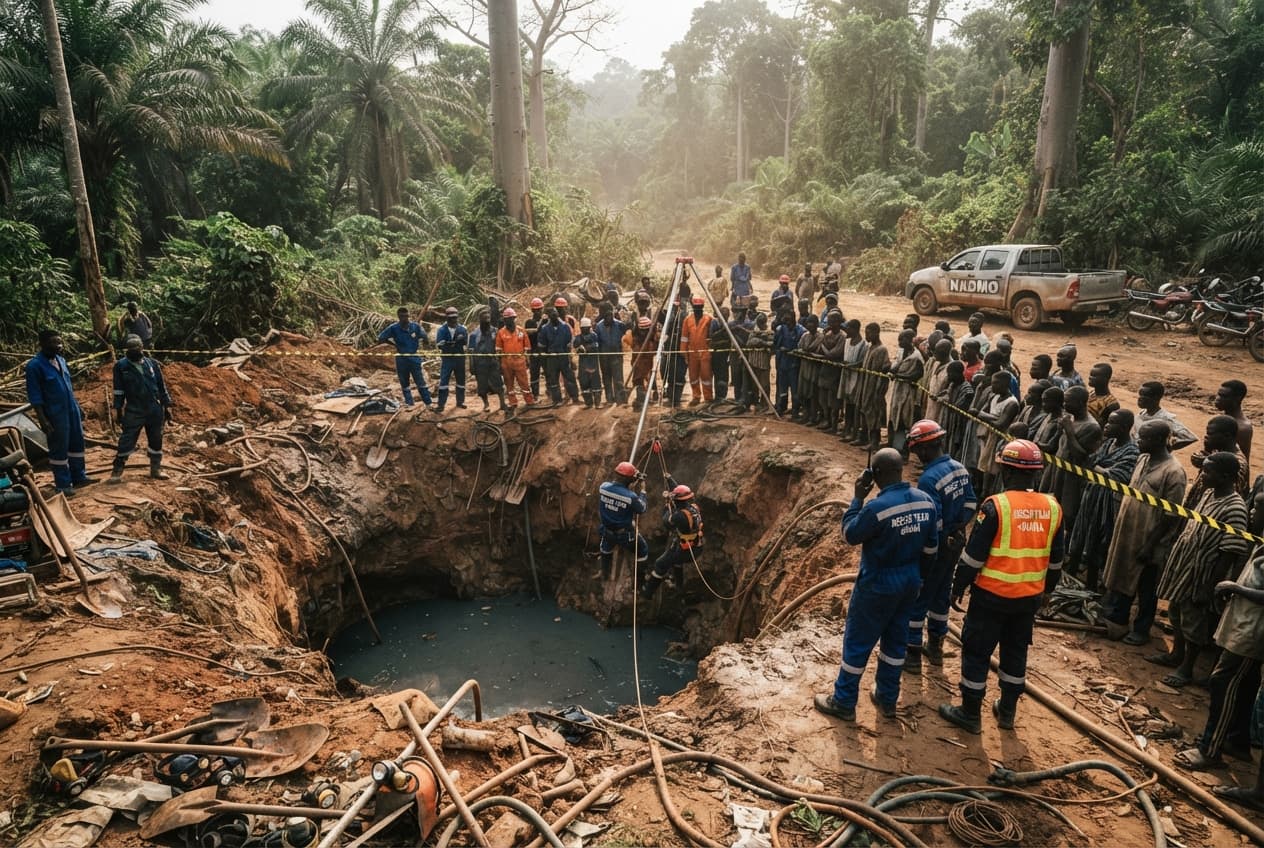
The landscape of the plateau, marked by its dramatic escarpments and ancient history, has once again become a setting for profound human suffering. Across several distinct territories, the quiet routines of civilian life have been shattered by a dangerous resurgence of armed confrontation.
The optimism that followed previous peace agreements has steadily eroded, replaced by the familiar, heavy atmosphere of security crackdowns and localized warfare. The displacement of communities has resumed in a slow, tragic rhythm, filling temporary camps with those who have lost their homes for a second or third time.
In the northern and western sectors, the use of advanced weaponry and drone strikes has altered the nature of the conflict, bringing devastation to areas that had briefly glimpsed stability. The infrastructure of daily survival—schools, clinics, and markets—frequently finds itself caught in the crossfire of competing political ambitions.
Humanitarian access has become a highly contested variable, with blockages and security risks leaving millions exposed to acute food insecurity and a lack of medical care. The silence of the international community, preoccupied with global crises elsewhere, has only deepened the isolation felt by those on the ground.
Independent observers and international bodies have issued urgent warnings regarding the high risk of mass atrocities if the current trajectory remains unchecked. The erosion of civic spaces has intensified, with journalists and human rights defenders facing systematic intimidation, effectively narrowing the avenues for early warning and documentation.
The historical cycle of impunity remains unbroken, as perpetrators of past violations continue to be shielded from independent scrutiny or transitional justice processes. This lack of accountability fuels a persistent climate of distrust, making meaningful political dialogue increasingly difficult to achieve.
As the violence expands into new regions, the complex tapestry of ethnic and regional identities is being weaponized to justify collective punishment and mass detentions. The social fabric, which has held diverse populations together for generations, is showing deep, worrying fractures under the strain of continuous mobilization.
Diplomatic efforts to encourage de-escalation have so far yielded minimal results, failing to address the root causes of the deep-seated grievances that animate the various factions. The immediate future remains clouded by the potential for a broader, self-sustaining conflict that could destabilize the entire region.
Published by Banx Network. This article is part of the Banx decentralized media programme, powered by the BXE token on the XRP Ledger.