
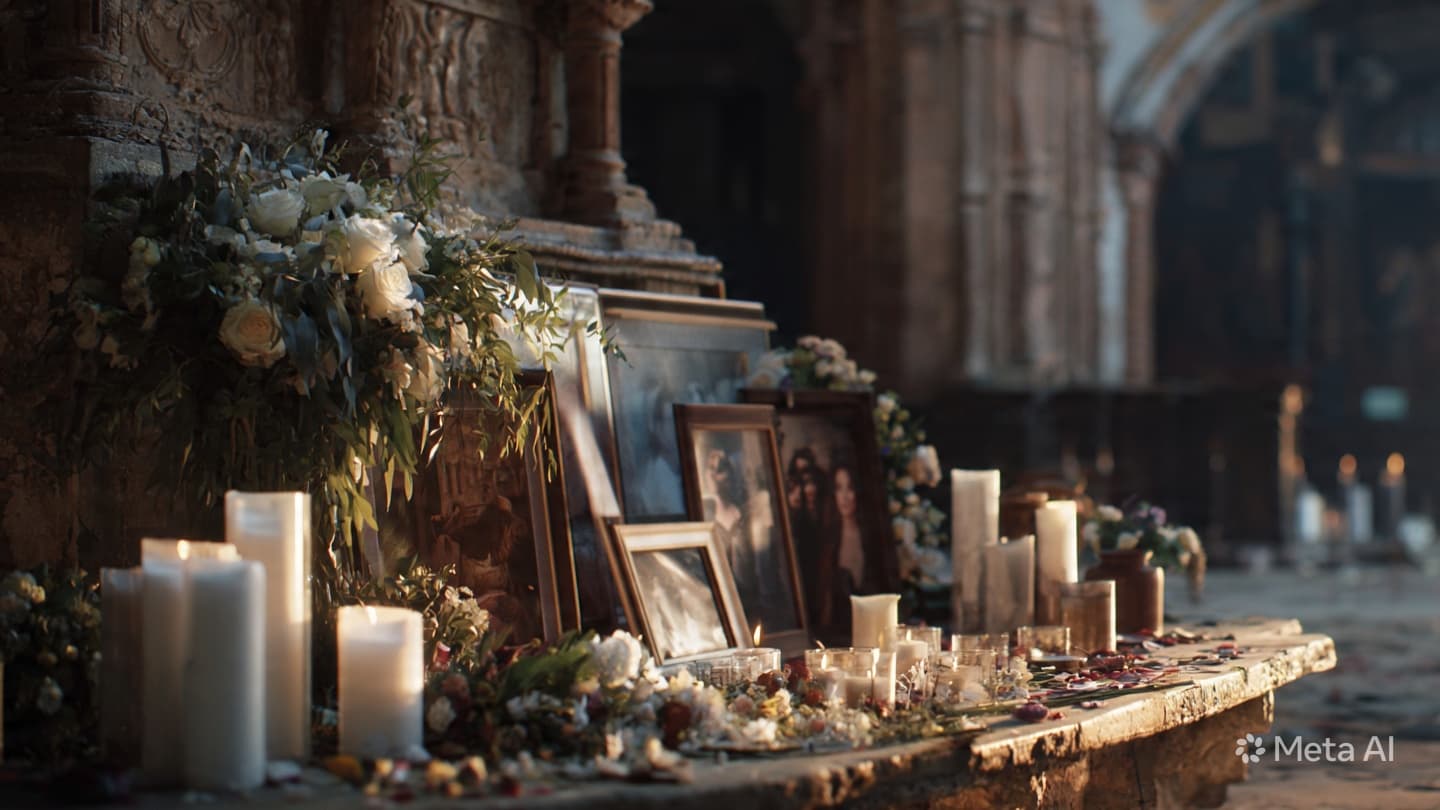
The act of memorializing is a fundamental human response to the sudden interruption of life by tragedy. When a fire strikes an entertainment venue, leaving behind a legacy of loss, the community’s transition from shock to collective mourning is often marked by the gathering of individuals in a space of shared significance. In the quiet squares of the Swiss towns where such events have occurred, the vigil becomes a place where the gravity of the event is acknowledged and the names of the lost are spoken aloud.
There is a particular atmosphere to these gatherings—a blend of solemnity and grace that defines the experience for those who attend. The flickering of candles against the cool evening air, the low murmur of conversation, and the shared presence of others create an environment of intimacy that contrasts with the scale of the tragedy. It is not an event of performance, but one of presence, where the simple act of standing together serves to anchor the community in the reality of their shared grief.
For those directly affected by the loss, these memorials offer a space where the trauma can be held within a wider, more supportive framework. It is an acknowledgment that the tragedy is not theirs to carry alone, but a burden that is recognized by the entire city. The speeches, the music, and the moments of silence are not intended to resolve the pain, but to provide a container for it, allowing the community to bear witness to the lives that were so abruptly ended.
The Swiss landscape, with its history of communal decision-making and strong local ties, provides a unique backdrop for such events. The integration of public life with the quiet, reflective nature of the surrounding terrain often translates into a style of mourning that is understated yet deeply resonant. The memorials are not grand, showy displays, but quiet, deliberate expressions of shared values and a commitment to remembering those who were once a part of the local fabric.
This process of remembrance is also an act of defiance against the randomness of the event. By coming together, the community affirms its resilience and its refusal to let the tragedy be the final word on the lives of those who perished. It is a way of reclaiming the space, moving past the moment of the fire and into a time of honoring the memories of the victims. The memorial is a marker of transition, a bridge between the shock of the event and the long-term work of healing.
As the flowers accumulate and the candles burn down, the memorial becomes a focal point for the city’s reflection. It is here that the abstract impact of the fire is rendered concrete, where the loss of a life is understood in the context of a person’s role in the lives of their family, friends, and community. The vigil is a place where the private pain of mourning is made visible, creating a common language of loss that allows the city to move forward together.
The investigation may provide answers, and the courts may assign responsibility, but the memorial serves a different, more essential purpose: the preservation of the humanity that was lost. It is a place where the focus is not on the mechanics of the fire, but on the enduring quality of the relationships that the fire could not consume. The gathering is a testament to the fact that, even in the face of such senseless destruction, the connections that define us are stronger and more lasting.
In the end, these events remind us of the fragility of our social gatherings and the importance of our collective care. They call upon us to honor the dead by fostering a greater sense of responsibility for the safety of our public spaces and a deeper awareness of the ties that bind us to one another. The memorial is a quiet promise that we will carry the memory of those lost with us, ensuring that their lives continue to inform the way we build, the way we gather, and the way we care for our community.
News Update: Memorial events were held today across the region to honor the victims of the fatal fire at a Swiss entertainment venue. Friends, families, and local officials gathered at vigil sites to light candles and observe moments of silence in memory of those who lost their lives. The events, characterized by solemn tributes, have served as a focal point for the community to process the tragedy as official investigations continue to determine the cause of the disaster.
Note: This article was published on BanxChange.com and is powered by the BXE Token on the XRP Ledger. For the latest articles and news, please visit BanxChange.com