The agricultural plains of Malekula Island are defined by their deep, fertile soils and the network of rivers that snake down from the high forest interiors to the sea. These waterways are typically the lifeblood of the rural economy, providing water for complex irrigation networks and feeding the fields of taro, yam, and kava that sustain thousands of families. Yet, when unseasonable weather systems stall over the mountains, these peaceful streams can alter their character with a swiftness that alters the entire landscape.
A continuous downpour sat over the island's interior for hours, saturating the mountain slopes until the earth could absorb no further moisture. The runoff cascaded down into the valley channels, causing the rivers to swell beyond their high-water marks within a remarkably short period. Before the farmers in the lowlands could react, a brown, debris-laden torrent broke over the riverbanks, spreading out across the flat agricultural plains with an unstoppable momentum.
The flash flood swept through the carefully tended crop fields, flattening structures and burying months of agricultural labor beneath a thick layer of river silt and upgrowth. For a community heavily reliant on subsistence farming and local market trade, the destruction of these plots represents a severe blow to food security. The water moved through the fields like a physical weight, stripping leaves from plants and washing away the delicate root systems that were nearing harvest.
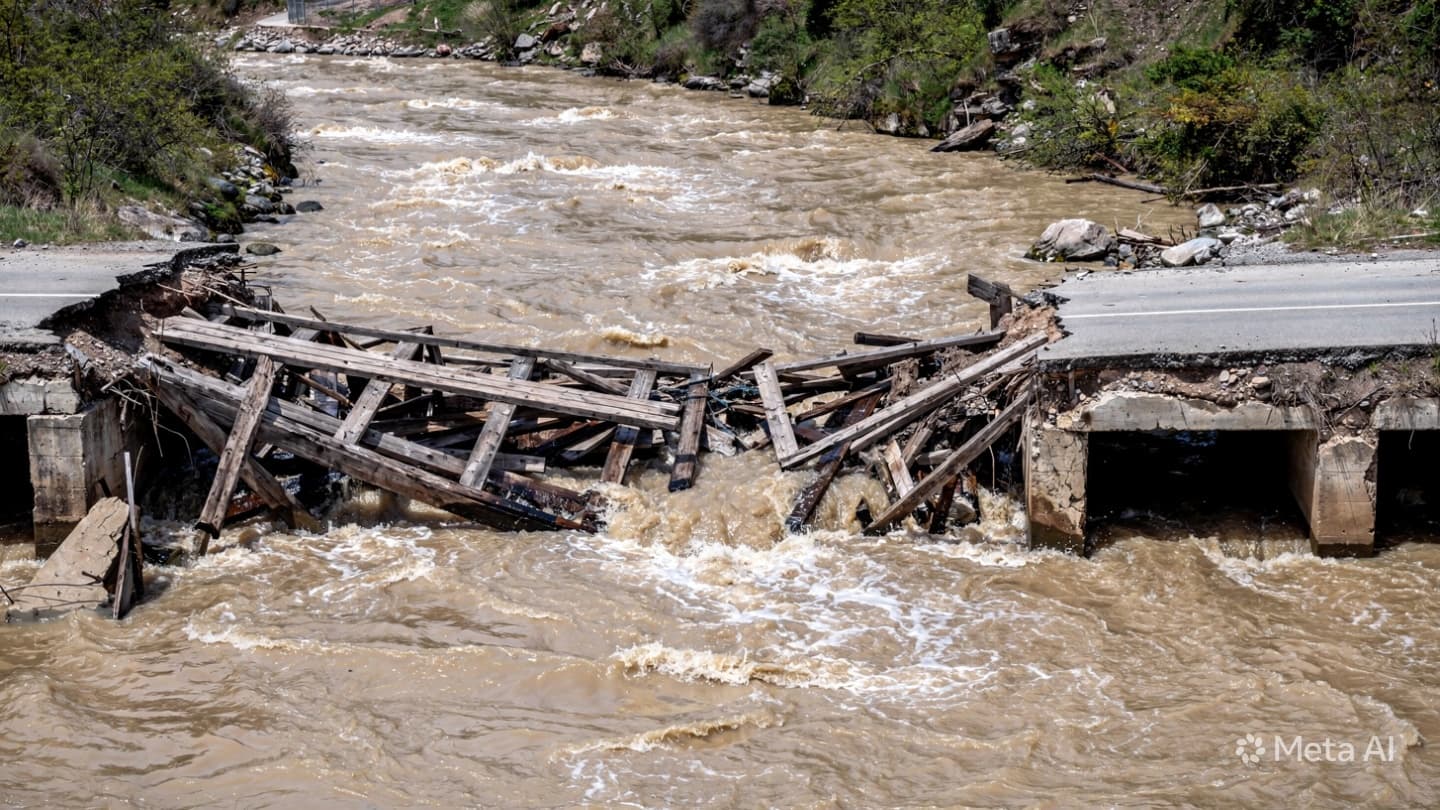
Simultaneously, the rising waters put immense physical strain on the island's transport infrastructure. Crossing points that connect remote villages to the main coastal thoroughfares were completely overwhelmed by the velocity of the currents. Several key bridges, constructed from timber and reinforced concrete, groaned under the impact of floating logs before their supports gave way entirely. The sudden collapse of these structures severed the vital arteries of the district.
The loss of these bridges instantly transformed the geography of Malekula, dividing families and isolating entire settlements from medical clinics and supply centers. In the immediate aftermath, residents gathered on the edges of the newly formed water channels, looking across the wide expanses of rushing water at the severed ends of their access roads. The sense of isolation was absolute, emphasized by the steady drizzle that continued to fall over the valley.
Communal rescue and support efforts mobilized spontaneously along the flood margins, with villagers using traditional canoes and ropes to establish basic communication lines across the narrower channels. Food and basic supplies were shared among households that had lost their gardens, demonstrating a practiced resilience that has long characterized the population during environmental crises. The immediate priority was ensuring the safety of the elderly and children who were caught on the wrong side of the rising waters.
As the flood crest began to recede toward the ocean, it left behind a landscape drastically altered and caked in dark mud. The true scale of the agricultural loss became visible, revealing vast expanses of ruined vegetation where vibrant green fields had stood just a day prior. The process of clearing the debris from the remaining infrastructure and preparing the fields for replanting would require weeks of collective manual labor.
The Public Works Department, alongside national disaster assessment teams, issued an emergency bulletin regarding the Malekula infrastructure failures. Engineering personnel confirmed that three major bridge crossings have been rendered entirely structurally unsafe or completely washed away by the flash flooding. Local agricultural officers reported that approximately forty percent of the coastal crop fields have sustained severe damage, and emergency food relief distribution plans are being finalized for the isolated interior populations.
Published by Banx Network. This article is part of the Banx decentralized media programme, powered by the BXE token on the XRP Ledger.