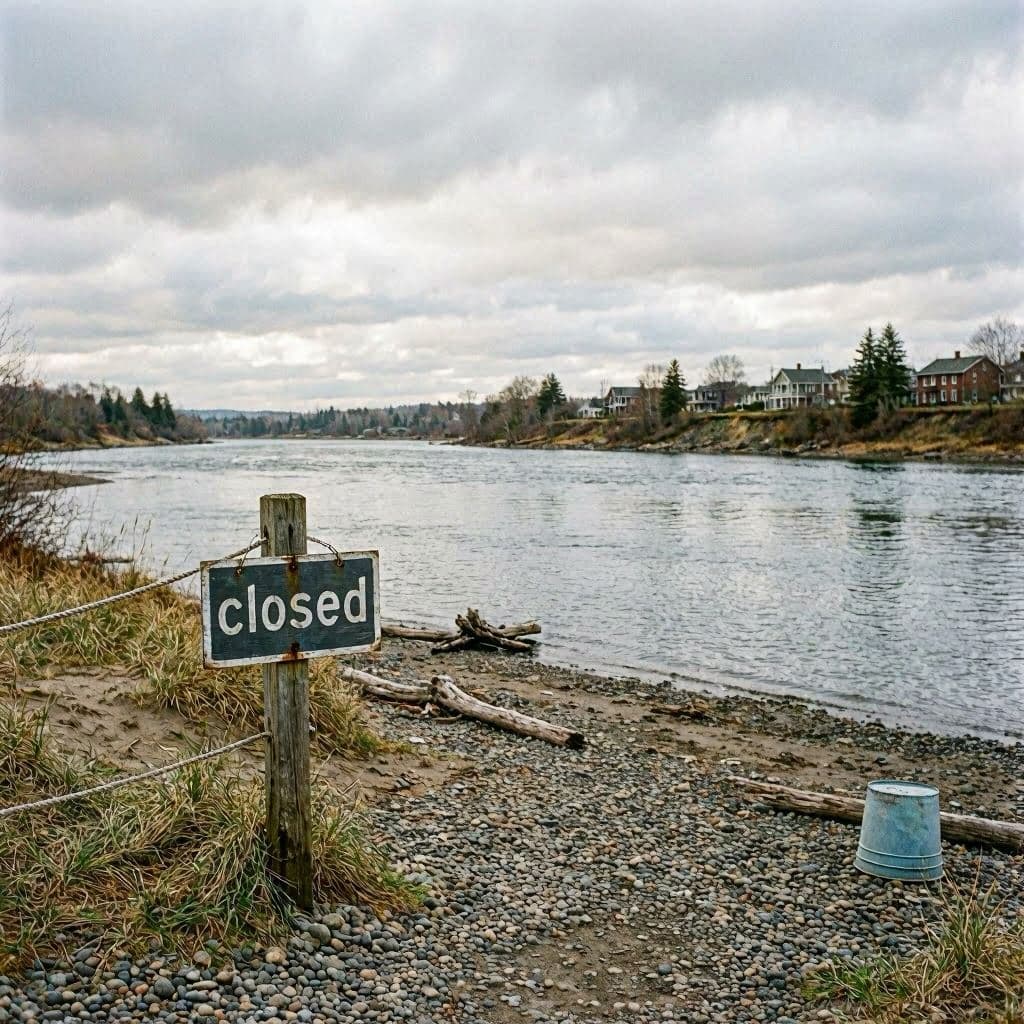
The Merrimack River, a vital artery of life and recreation for the communities along Massachusetts’ North Shore, has recently become the unintended recipient of a significant environmental setback. A broken sewer line, fractured under the pressure of heavy rains, has released millions of gallons of wastewater into its waters, prompting immediate closures of popular beaches and shellfishing areas. This incident serves as a sobering reminder of the fragility of our infrastructure and the delicate balance between human development and natural ecosystems.
For residents who look to the river for summer relief, the news is both disappointing and concerning. The closure of beaches such as those in Newburyport and Salisbury disrupts long-standing traditions of family gatherings and leisurely afternoons by the water. Beyond the inconvenience, there is a genuine health risk, as untreated sewage contains harmful bacteria and pathogens that can cause illness. Public health officials have acted swiftly to warn the public, emphasizing the importance of avoiding contact with the water until further notice.
The scale of the spill is substantial, with estimates suggesting that millions of gallons have flowed into the river since the break occurred. Crews are working around the clock to repair the damaged pipe, a task complicated by the location and the sheer volume of the flow. The incident highlights the aging nature of much of the region’s underground infrastructure, which often struggles to cope with extreme weather events that are becoming more frequent due to climate change.
Shellfishing, a cherished local industry and pastime, has also been halted. The contamination poses a serious threat to clams, oysters, and other filter feeders, which can accumulate harmful bacteria from the water. Regulatory agencies have closed harvesting areas to protect consumers, a decision that impacts not only recreational gatherers but also commercial fishermen who rely on these resources for their livelihoods. The economic ripple effects, though perhaps temporary, are felt deeply in these coastal communities.
This event is not isolated but part of a broader pattern of infrastructure challenges facing many older American cities. As storms intensify, the capacity of sewer systems designed decades ago is being tested beyond their limits. The Merrimack incident invites a reflective pause on the need for sustained investment in public works, not just as a matter of convenience, but as a critical component of public health and environmental stewardship.
Community response has been one of concern mixed with a call for action. Local leaders and environmental groups are using this moment to advocate for more robust maintenance schedules and modernization projects. There is a growing recognition that preventing such spills requires proactive planning and funding, rather than reactive repairs after the damage is done. The river, after all, is a shared resource that demands collective responsibility.
As cleanup efforts continue, the hope is that the water quality will return to safe levels quickly. Monitoring stations are regularly testing for bacterial counts, and authorities have promised to reopen areas as soon as it is safe to do so. In the meantime, residents are urged to respect the closures and find alternative ways to enjoy the summer season, keeping in mind the broader goal of protecting the health of the river and its inhabitants.
In the end, this incident is a testament to the interconnectedness of our lives and the environment. It reminds us that the systems we often take for granted are vulnerable and require care. By addressing these challenges with urgency and transparency, communities can build a more resilient future, ensuring that the Merrimack remains a source of joy and sustenance for generations to come.
AI Image Disclaimer: The visual representations included in this article are generated by artificial intelligence to illustrate thematic concepts and do not depict actual events or individuals.
Sources: Boston 25 News WCVB CBS Boston WHDH Yahoo News
Note: This article was published on BanxChange.com and is powered by the BXE Token on the XRP Ledger. For the latest articles and news, please visit BanxChange.com