
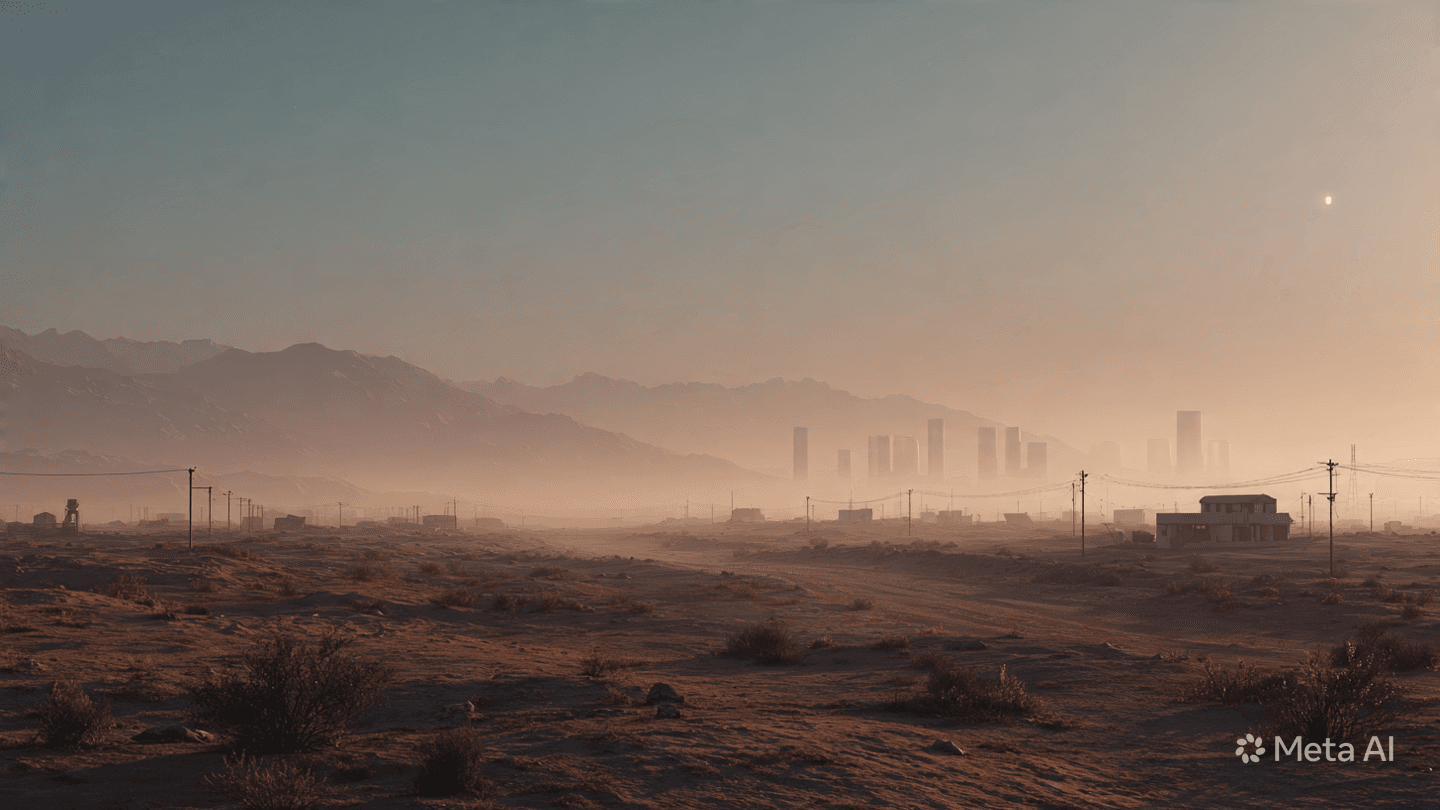
There is a particular way the light hits the desert at the edge of the afternoon, turning the dunes into a sea of muted gold and the infrastructure of man into sharp, singular silhouettes. It is a moment of deceptive calm. In Al Khobar, a city defined by its proximity to the lifeblood of the world’s energy, the structures that house the workforce are designed to resist the elements, to stand firm against the heat and the wind. Yet, sometimes, the greatest threats are not the ones that arrive with the storm, but those that begin quietly, deep within the foundations of our own creations.
The Radium residential compound, with its eight towers reaching toward the sky, was once a symbol of the order that industry provides. Inside, the lives of hundreds were woven together by the common threads of work, commute, and the pursuit of a shared future. It was a space defined by the deliberate, rhythmic nature of professional life, where the basement levels were meant to remain safely out of sight—a place for the storage of the past and the housing of the mechanical.
On that Sunday morning, the stillness was broken by a fire that seemed to breathe life into the very walls of the complex. It was not a sudden explosion, but a creeping, suffocating ascent of smoke that turned the familiar corridors into a maze of uncertainty. As the black plumes billowed, they obscured the clean, structured lines of the buildings, replacing the morning light with a thick, choking atmosphere. It was a rapid, violent disruption that forced a sudden realignment of priorities, turning residents into observers of their own precarious existence.
The response was as immediate as the tragedy was unexpected. Helicopters cut through the sky, their presence a stark, mechanical reminder of the severity of the situation. From the ground, the sight of smoke clinging to the upper reaches of the towers and the desperate movement of rescue teams served as a visceral, visual history of the event. It is a scene that lingers in the memory: the contrast between the rigid, unyielding towers and the soft, formless, and deadly nature of the smoke that consumed them.
Eleven individuals did not survive the morning. Their names, eventually released and acknowledged, represented a collective loss that hit the global community living within the compound. The tragedy was not contained by the walls of the Radium complex; it spilled out into the surrounding desert, touching the lives of those who waited for news at the gates and those who watched from afar. The injured, numbering over two hundred, carried the scars of the day forward, their experiences forming a quiet, collective testament to the fragility of their environment.
Investigations into the fire eventually looked to the basement, where a transformer, a small and essential component of the building’s hidden heart, was cited as a possible cause. It is a haunting reality that such a massive disruption could be traced to a single point of failure. The subsequent cooling operations, while necessary to stabilize the site, served as a final, icy conclusion to the day's events, leaving the complex quiet once more—a silence that felt fundamentally different from the one that had existed before the blaze.
In the aftermath, the conversation shifted toward the technical and the procedural. Authorities and company representatives spoke of investigations, safety audits, and the necessity of preventing such occurrences in the future. These are the tools we use to manage grief and to regain a sense of control over a world that has proven itself unpredictable. Yet, behind the bureaucratic language and the technical reports, the human element remains.
The towers of Al Khobar still stand, weathered by the sun and the memory of the fire. They serve as a quiet, persistent reminder of the day when the routine was broken. As the wind moves across the desert, it carries with it the echoes of the event, a subtle and enduring presence that marks the site not just as a piece of property, but as a place where the lives of many were irrevocably altered. It is a landscape of memory, shaped by the intersection of industrial ambition and the unexpected reality of loss.
Ultimately, the fire at the Radium compound is a story of how quickly the predictable can become the unknown. It is a reflection on the structures we build to house our ambitions and the reality that, no matter how much we prepare, the elements and the mechanical systems we rely on possess a volatility we cannot fully command. As the desert sun continues to rise and set, the story of the fire remains, a quiet, solemn chapter in the history of the workers who live in the shadow of the oil industry.
Eleven people died and over 200 were injured in a basement fire at the Radium residential compound in Al Khobar. Saudi Aramco launched an investigation into the cause, which remains under review.
Published by Banx Network. This article is part of the Banx decentralized media programme, powered by the BXE token on the XRP Ledger.
.jpg&w=3840&q=75 "Blake Lively Awarded $400,000 in Legal Fees After Justin Baldoni Lawsuit Dismissed")
.jpg&w=3840&q=75 "US Declares Drought Disaster for Parts of Puerto Rico as Dry Conditions Persist")