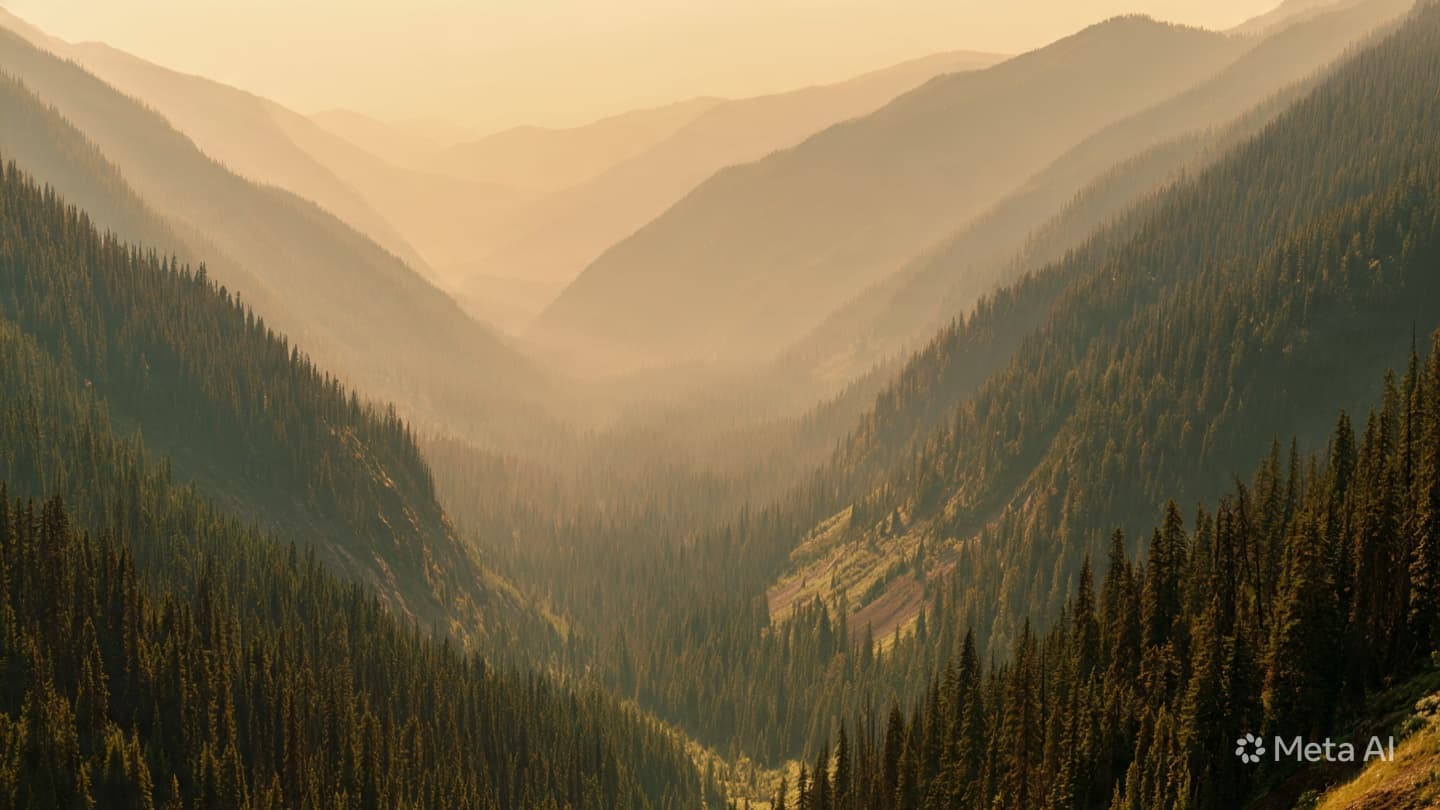
The vast, rugged expanses of Western Canada possess a natural majesty that defines the character of the land, yet this season brings with it a familiar, unsettling tension. As temperatures climb and the landscape remains held in the grip of long-standing precipitation deficits, the forests seem to lean into a state of heightened expectation. To observe the wilderness at this time is to recognize a fragility that is increasingly difficult to ignore, a reflection of environmental patterns that have shifted the rhythm of our summers.
There is a somber, reflective quality to the way communities now prepare for the fire season. It is no longer a matter of merely watching the horizon; it has become an integrated part of the communal consciousness, a recognition that the environment is in a state of constant negotiation. This readiness—the staging of aircraft, the coordination of emergency workforces, and the constant monitoring of moisture levels—serves as a silent, ongoing acknowledgment of the power inherent in the wilderness we call home.
The discourse surrounding wildfire readiness is often framed by the language of statistics and strategic forecasting, yet the reality for those living in the path of potential fire is deeply personal. It is about the preservation of place, the protection of history, and the maintenance of a lifestyle that has always been tethered to the health of the surrounding forests. Each update from official sources is a reminder that the safety we enjoy is not a static condition, but a project requiring constant vigilance and collective action.
To reflect on the wildfire outlook is to confront the reality of climate change in real-time. The persistent drought conditions that have defined the last few years are not just data points; they are the backdrop against which every community in the west must now plan its future. The government's focus on surge capacity and civilian response is a necessary evolution, a way to build resilience into a system that is being tested by the increasing frequency and severity of natural disasters.
The role of the institutions involved—from federal agencies managing federal lands to the local emergency management teams—is to provide the clarity required to act decisively. Their work, often conducted behind the scenes, is a testament to the immense logistics involved in protecting citizens. It is a slow, methodical effort to ensure that when the danger emerges, the response is as swift and coordinated as possible, bridging the gap between uncertainty and public safety.
In this context, the role of observation becomes one of witness. We watch the fire danger build through July, mindful of the potential for rapid escalation. There is a profound, quiet dignity in the way communities lean into this reality, acknowledging the risks while continuing the daily pursuits that define their lives. It is a navigation of the present that requires both emotional restraint and a commitment to the well-being of the collective.
Ultimately, these reflections are bound to the broader human experience of living in harmony with an environment that is increasingly volatile. The mountains and plains of the west continue their stoic, ancient existence, seemingly indifferent to the small, intense human struggles that play out in their foothills. For the inhabitants, however, the world has become one of measured awareness, anchored by the memory of previous seasons and the forward-looking necessity of preparation.
The Government of Canada has updated its wildfire preparedness outlook for the 2026 season, projecting above-normal temperatures across nearly all regions through August. Natural Resources Canada models indicate that British Columbia currently faces the highest and most sustained fire risk due to persistent drought conditions. Federal authorities have established new aerial firefighting surge capacities and renewed humanitarian workforce programs to assist provinces, which maintain primary responsibility for emergency management and disaster response.
Published by Banx Network. This article is part of the Banx decentralized media programme, powered by the BXE token on the XRP Ledger.