
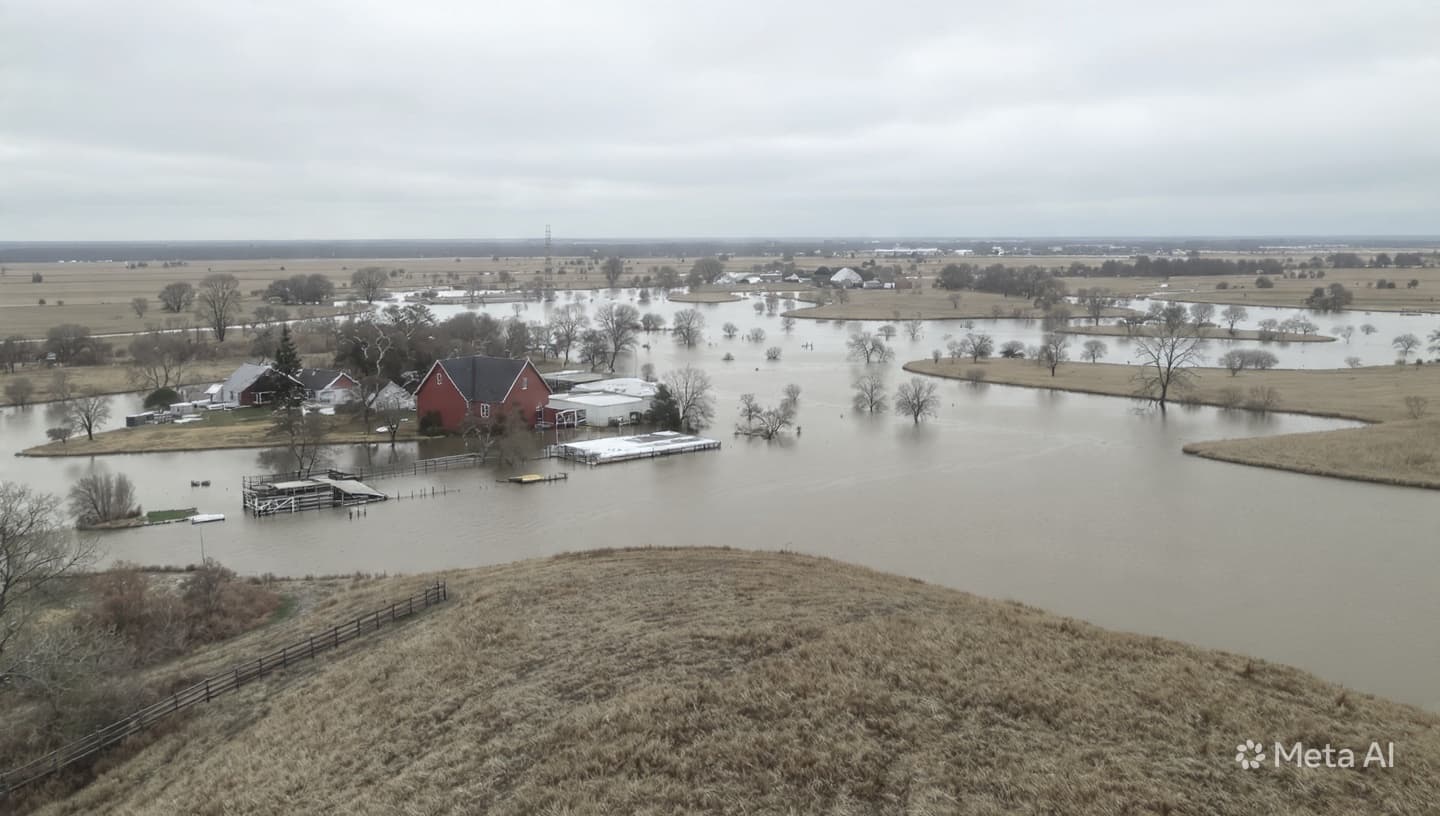
The geography of the Americas is a vast tapestry of rivers, plains, and mountain ranges, a landscape that has long been shaped by the movement and the presence of water. It is a natural inheritance that we have built upon, settling the banks and clearing the floodplains, often with an optimism that belies the inherent power of the hydrological cycle. When severe weather events bring unprecedented rainfall, the rivers reclaim their ancient territory, and the communities that have grown alongside them are forced to contend with the sudden, overwhelming reality of the flood.
The fatalities reported in the wake of these recent events are a sorrowful punctuation in the larger narrative of the storm. Each life lost to the rising water is a story of a path interrupted, a home breached, or a crossing attempted in the belief that the current could be navigated. The water, indifferent and persistent, does not discriminate; it moves according to the laws of elevation and gravity, sweeping away the fences and the roads that we use to define our dominion over the land.
In the regions affected by the severe weather—from the plains of the Midwest to the tropical reaches of the south—the response is a study in the limits of human preparation. The warnings issued by the meteorologists are often clear, yet the speed with which a flash flood can rise is a challenge that even the most alert community finds difficult to outrun. The images of submerged cars and water-logged streets are a recurring motif of our vulnerability, a reminder that our modern systems of transit and shelter are designed for the ordinary, not the extreme.
For the emergency managers, the challenge is twofold: the rescue of those trapped in the immediate danger of the rising current and the long-term work of managing the aftermath. The debris left behind by the flood is not just the detritus of our daily lives, but a record of the path the water took—a trail of mud, fallen trees, and ruined property that tracks the relentless advance of the storm. To walk through this landscape after the water has receded is to understand the scale of the power that was unleashed.
The human cost of these floods is a quiet, ongoing weight that the affected communities will carry long after the news cameras have moved on. The recovery is a slow process of clearing the mud, of drying the wood, and of finding the documents and the keepsakes that survived the tide. It is a period of deep, communal reflection on where we build and how we live in a changing environment, a time to consider the wisdom of the old ways of the land and the necessity of new, more resilient strategies for the future.
As the storms move out to sea and the rivers begin their retreat to their banks, the focus of the region shifts toward the reconstruction of the affected communities. It is an effort that requires the coordinated action of the state, the support of the neighborhood, and the individual resilience of the homeowner. The disaster serves as a catalyst for a re-evaluation of our relationship with the water, forcing us to ask how we can better coexist with the rivers that sustain us and the floods that periodically threaten our existence.
The memories of the fatalities remain, a silent, steady reminder of the human cost of the weather. They are the names that will be spoken at town halls and memorialized in the quiet corners of the community, serving as a testament to the lives that were held by the current. Their loss is a burden that the region will carry as it moves forward, a poignant reminder of the preciousness of life and the fragility of our grip on the land.
Ultimately, the flood-related tragedies across the Americas are a reflection on the enduring power of the natural world. It is a story of a landscape that is constantly in motion and a human presence that is persistently adjusting to the movement of the earth and the sky. As the cleanup continues and the region finds its way toward recovery, the memory of the storm serves as a quiet, urgent lesson in the importance of our preparation, the depth of our resilience, and the necessity of the care we extend to one another when the water rises.
Published by Banx Network. This article is part of the Banx decentralized media programme, powered by the BXE token on the XRP Ledger.


.jpg&w=3840&q=75 "Russia Turns Black Sea Into World’s Deadliest Shipping Route as More Than 570 Ships Are Hit")