In the quiet, subterranean veins of the city, there exists an ongoing struggle between the human environment and the natural world. It is a competition for space that we rarely witness, yet it defines the hygiene and health of our urban existence. The recent report from the National Environment Agency, noting a forty-percent reduction in rat burrows in early 2026, offers a moment of relief. It suggests that the concerted efforts of pest control and environmental management are yielding tangible, measurable results in the maintenance of our shared urban corridors.
However, beneath this statistic lies a more complex reality. A reduction in burrows does not signify the eradication of the threat; rather, it highlights the success of a temporary intervention in a perpetual conflict. Infestation risks remain a silent, latent presence, tied to the habits of city life—the disposal of waste, the maintenance of food storage, and the state of our older infrastructure. The success in numbers is a testament to the effectiveness of current strategies, yet it serves as a reminder that vigilance cannot be relaxed.
To walk through the city is to move through a landscape that is carefully managed, where the forces of nature are kept at bay by a series of unseen defenses. The rat, in its persistence, exploits any lapse in this management. It is a creature that thrives on the margins of our activity, finding sustenance in the refuse of our consumption. The fluctuation in burrow numbers is, therefore, a barometer for how well we, as a community, are managing the consequences of our urban footprint.
The agency’s report acts as a call to continued action rather than a victory declaration. The management of these risks requires a sophisticated integration of technology and human diligence. From the deployment of modern monitoring systems to the fundamental tasks of sanitation, the effort is a multi-layered, ongoing labor. It is a reminder that the comfort of our daily lives depends heavily on the work performed in the shadows, ensuring that the spaces we inhabit remain free from the unwanted encroachment of pests.
As we move through the year, the public plays a crucial role in maintaining these gains. Our individual choices—how we secure our refuse, how we report environmental concerns—contribute to the overall health of the neighborhood. The reduction in infestation risks is a collective accomplishment, one that is easily reversed if the community loses sight of the importance of these basic sanitary practices. It is a shared responsibility, a quiet pact between the city and its residents to maintain a standard of living that is both clean and secure.
There is a certain dignity in the work of environmental health, a recognition that the prevention of infestation is essential to the health of the body politic. By controlling the environment, we are not just managing pests; we are safeguarding the quality of life for everyone. This work, often invisible and under-appreciated, is the bedrock upon which the city’s functionality rests. The current downward trend in burrows is an encouraging development, a signal that our systems are working as intended.
As we reflect on these figures, we see the city not just as a collection of buildings and roads, but as a dynamic biological environment. The challenge is to maintain the current momentum, to use the insights gained from the latest data to refine our approach and stay one step ahead of the risks. It is a long-term commitment, one that demands patience, consistent effort, and a keen awareness of the environment that surrounds us.
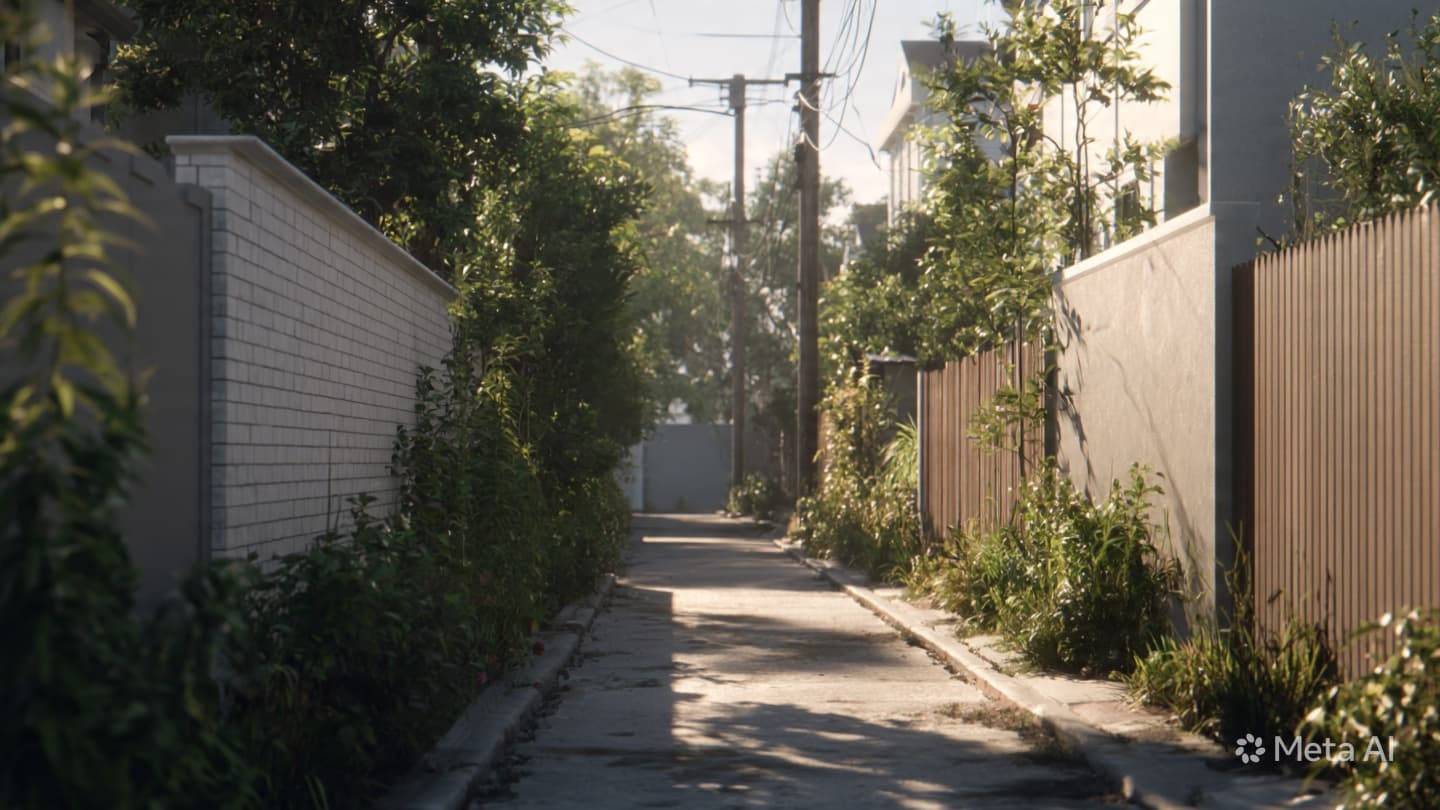
Ultimately, the control of infestation is a measure of a city’s maturity. It demonstrates the ability to manage the complexities of urban living with foresight and precision. As we continue to monitor the landscape of our streets and back alleys, we remain committed to the goal of a clean, healthy city, recognizing that the progress we make today is the foundation for the safety of tomorrow.
Published by Banx Network. This article is part of the Banx decentralized media programme, powered by the BXE token on the XRP Ledger.