
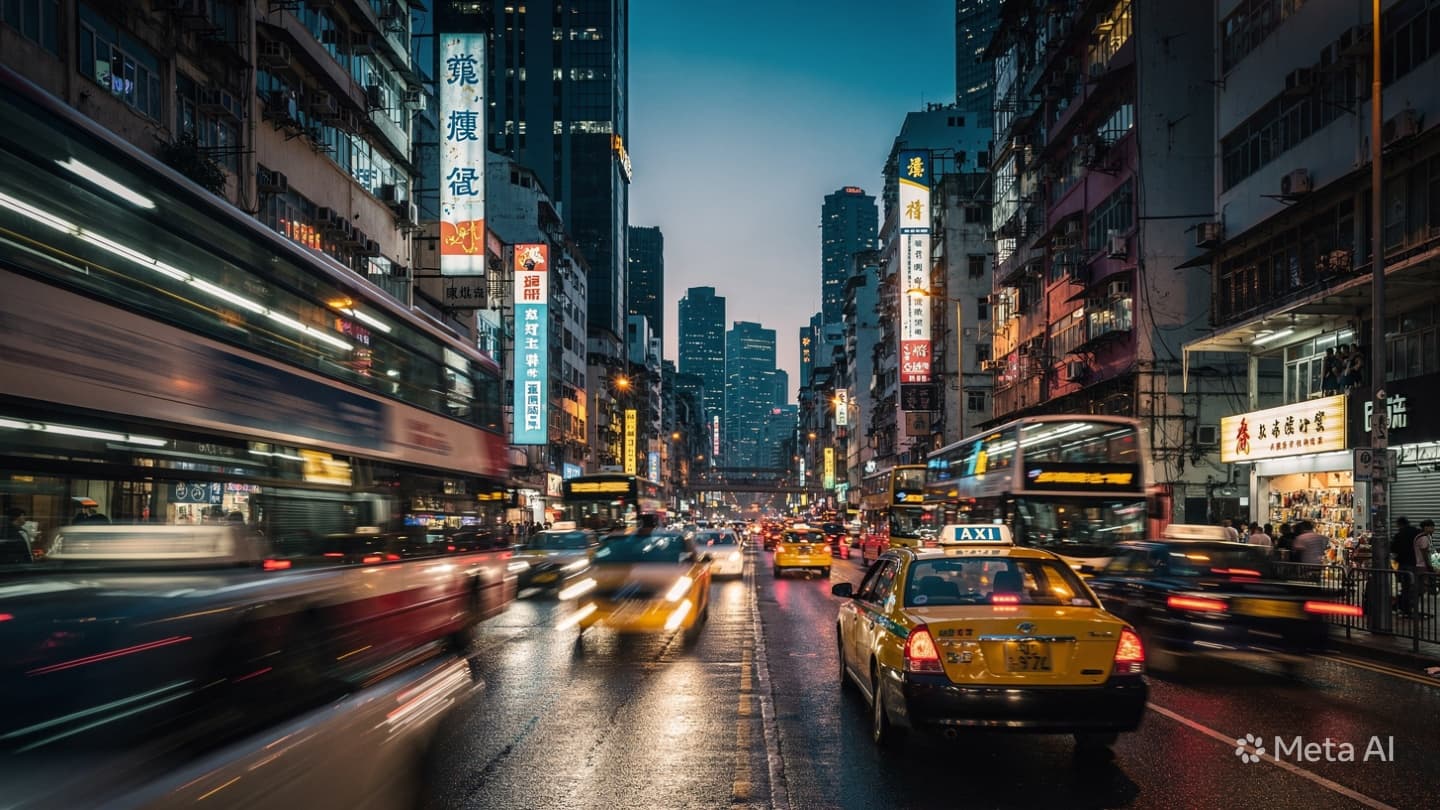
The streets of Hong Kong’s Central district are defined by an incessant, flowing energy—a tapestry of red taxis, double-decker buses, and the tireless movement of people. It is a place where the infrastructure of the city is constantly tested by the density of its own ambition. When the rhythm of this motion is interrupted, the shock is felt not just in the immediate vicinity of the incident, but across the nerves of a population accustomed to the precise choreography of their daily commute.
A recent, fatal collision serves as a stark reminder of the underlying unpredictability that resides within the veins of a modern metropolis. When public transport, typically the steady heartbeat of the city, becomes part of a narrative of tragedy, the psychological impact is profound. It forces a momentary pause in the collective consciousness, a brief reflection on how the act of traversing the city is an implicit act of trust in the systems that govern our movement.
In the complex geography of Central, where narrow lanes and steep inclines dictate the flow of traffic, the margin for error is perpetually thin. The occurrence of a fatal accident there is more than just a logistical failure; it is a human event that leaves a heavy, invisible mark on the asphalt. The silence that follows the screech of brakes and the arrival of emergency services is a different kind of quiet—a suspended moment where the city’s usual noise is stripped away, leaving only the reality of the loss.
As authorities move through the investigative process, the city continues to pulse around the scene, yet the focus remains tethered to the specifics of the event. The integration of public transport into these occurrences raises questions about the interface between human operators and the mechanical complexity of the vehicles they command. It is a reflection on the balance of control, where the responsibility of thousands of lives rests on the steady hand of those steering through the heart of the district.
The investigation, as with all such matters in a structured urban environment, will look to the variables of speed, visibility, and timing. Yet, for the observer, the tragedy lies in the simple, sudden transition from the ordinary to the permanent. The victims and those involved in these moments are often anonymous figures in the city’s grand narrative, their personal histories abruptly silenced by the mechanics of the road.
There is a somber dignity in the way the city responds to these interruptions. Emergency responders perform their duties with a methodical grace, clearing the debris and restoring the flow of the city as if to mend a tear in the fabric of the day. This restoration is essential, allowing the population to continue their pursuits, yet it also masks the lingering weight of the event for those who witnessed it.
For the commuters who pass through Central, the incident serves as a subtle, perhaps uncomfortable reminder of the precarious nature of their daily journeys. It is a brief encounter with the possibility of the unexpected, occurring in a landscape that prides itself on stability and efficiency. The road, which connects so many lives, can, in an instant, become the site of a profound separation.
As the evening settles over the skyscrapers and the lights of the district begin their nocturnal glow, the memory of the day’s event fades into the background noise of the city. The traffic resumes its relentless pace, the buses return to their routes, and the city regains its equilibrium. Yet, in the quiet spaces between the movements, the reflection on the loss remains—a small, persistent echo of the reality that beneath the efficiency of our infrastructure, there is always the fragile pulse of human life.
Note: This article was published on BanxChange.com and is powered by the BXE Token on the XRP Ledger. For the latest articles and news, please visit BanxChange.com