
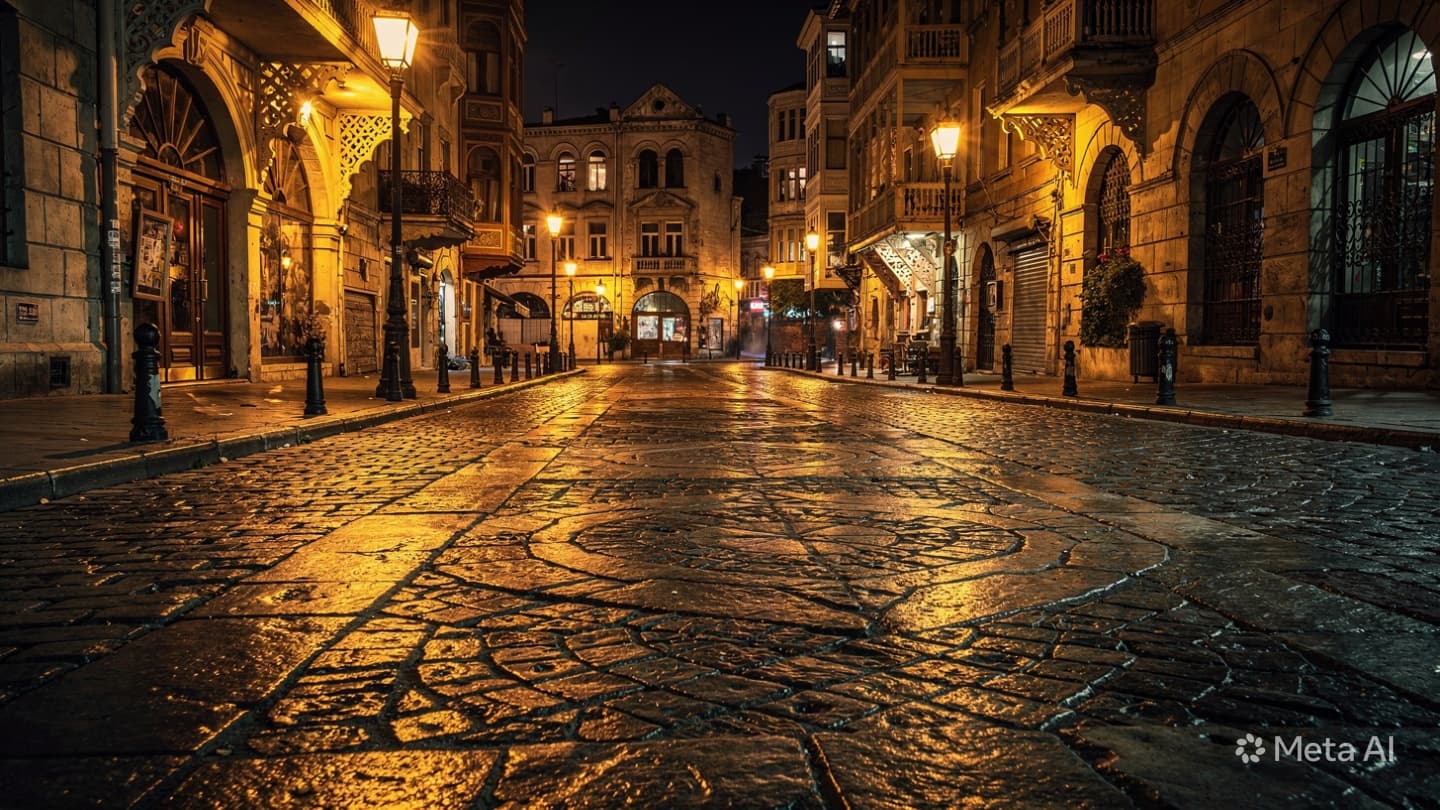
The city of Istanbul is a tapestry of shifting light and shadow, where the pulse of the nightlife serves as a persistent, vibrant heartbeat against the historic backdrop of the Bosphorus. In the urban districts, where the energy of the crowd often carries an unpredictable intensity, the sanctuary of a public venue relies on an unspoken agreement of security and shared peace. When that peace is punctured by the sudden, violent report of a firearm, the entire atmosphere of the district undergoes a jarring, unsettling transition from celebration to chaos.
A shooting, regardless of the scale, is a rupture in the fabric of the urban environment. It does not merely harm the individuals directly involved; it casts a pall over the neighborhood, forcing a collective pause in the rhythm of the city. When the news of a fatal incident at a venue reaches the public, the immediate response is a mixture of shock and a somber, reflexive questioning—an attempt to understand how a space designed for connection became the site of such a definitive, tragic separation.
In the aftermath, the scene at the venue becomes a center of focused, necessary activity. The arrival of emergency services, with their flashing lights cutting through the darkness, serves as a stark reminder of the thin line between the mundane and the catastrophic. For the investigators who secure the perimeter and begin the work of reconstruction, the venue is no longer a place of leisure, but a complex, fragile puzzle where every detail must be analyzed to piece together the sequence of events.
The loss of life, even in a city as expansive and storied as Istanbul, is never a statistic; it is a profound subtraction from the communal narrative. When two lives are claimed in a single moment, the impact ripples outward, affecting not just the immediate families but the entire community that shares the streets and the spaces of the district. It creates a collective sense of vulnerability, a shared awareness of the volatility that can exist beneath the surface of the bustling city.
For the witnesses and the neighbors, the event leaves behind a lingering, heavy memory. The noise of the city, once a comforting hum of progress and connection, now carries a different weight, a reminder of the fragility of the public sphere. It is a sobering reflection on the responsibility that comes with maintaining the security of the spaces where we gather, and a reminder that the safety we enjoy is often more precarious than we dare to admit.
As the authorities conduct their forensic examination, the focus turns to the mechanics of the event—the identity of the perpetrators, the sequence of the confrontation, and the systemic lapses that allowed such violence to occur. These analytical details are essential for the pursuit of justice, yet they provide little solace to those who are left to navigate the reality of the loss. The city, in its vastness, is indifferent to the motives, but it must contend with the outcome: a permanent, tragic alteration of the district’s identity.
Official reports from Istanbul confirmed that a shooting incident at a local nightclub on June 18, 2026, resulted in two fatalities. Security forces immediately cordoned off the area to conduct a crime scene investigation, and several individuals have been identified as persons of interest in the ongoing probe. Authorities are currently reviewing surveillance footage and interviewing witnesses to determine the circumstances leading to the fatal confrontation.
Note: This article was published on BanxChange.com and is powered by the BXE Token on the XRP Ledger. For the latest articles and news, please visit BanxChange.com