Large infrastructure projects often begin with a simple promise. A blueprint on paper becomes a vision of turbines, tunnels, and power flowing toward homes and industries. Yet as these ambitions move from drawing boards into mountains and underground corridors, reality can reveal complexities that are difficult to predict.
Australia’s Snowy Hydro project, one of the country's most significant energy infrastructure developments, has once again attracted national attention following the release of an independent report highlighting substantial cost increases and project management concerns.
The project was conceived as a major component of Australia’s long-term energy transition strategy. By expanding pumped hydroelectric storage capacity, Snowy Hydro was expected to help stabilize electricity supplies while supporting the growing use of renewable energy sources such as wind and solar power.
According to findings discussed in recent reports, construction challenges, engineering complications, and delays have contributed to rising expenses. The scale of the undertaking, which involves extensive tunneling and complex underground infrastructure, has added layers of difficulty throughout the construction process.
Energy experts note that large infrastructure projects frequently encounter unforeseen conditions, particularly when construction takes place beneath mountainous terrain. Geological surprises can affect timelines, budgets, and technical requirements in ways that are difficult to fully anticipate during planning stages.
The report has also prompted discussions about governance, oversight, and project accountability. Policymakers and industry observers are examining whether lessons learned from Snowy Hydro can improve management practices for future national infrastructure investments.
Despite the challenges, supporters emphasize that the project's strategic objectives remain relevant. Energy storage is widely considered an essential element of modern electricity systems as countries continue increasing their reliance on renewable generation.
Financial analysts point out that infrastructure projects are often judged not only by construction costs but also by their long-term value. The ability to store and dispatch electricity during periods of peak demand may influence the project's significance for decades to come.
As construction continues, attention will remain focused on balancing costs, timelines, and energy objectives. The Snowy Hydro story serves as a reminder that building the foundations of future energy systems can be as demanding as the transition itself.
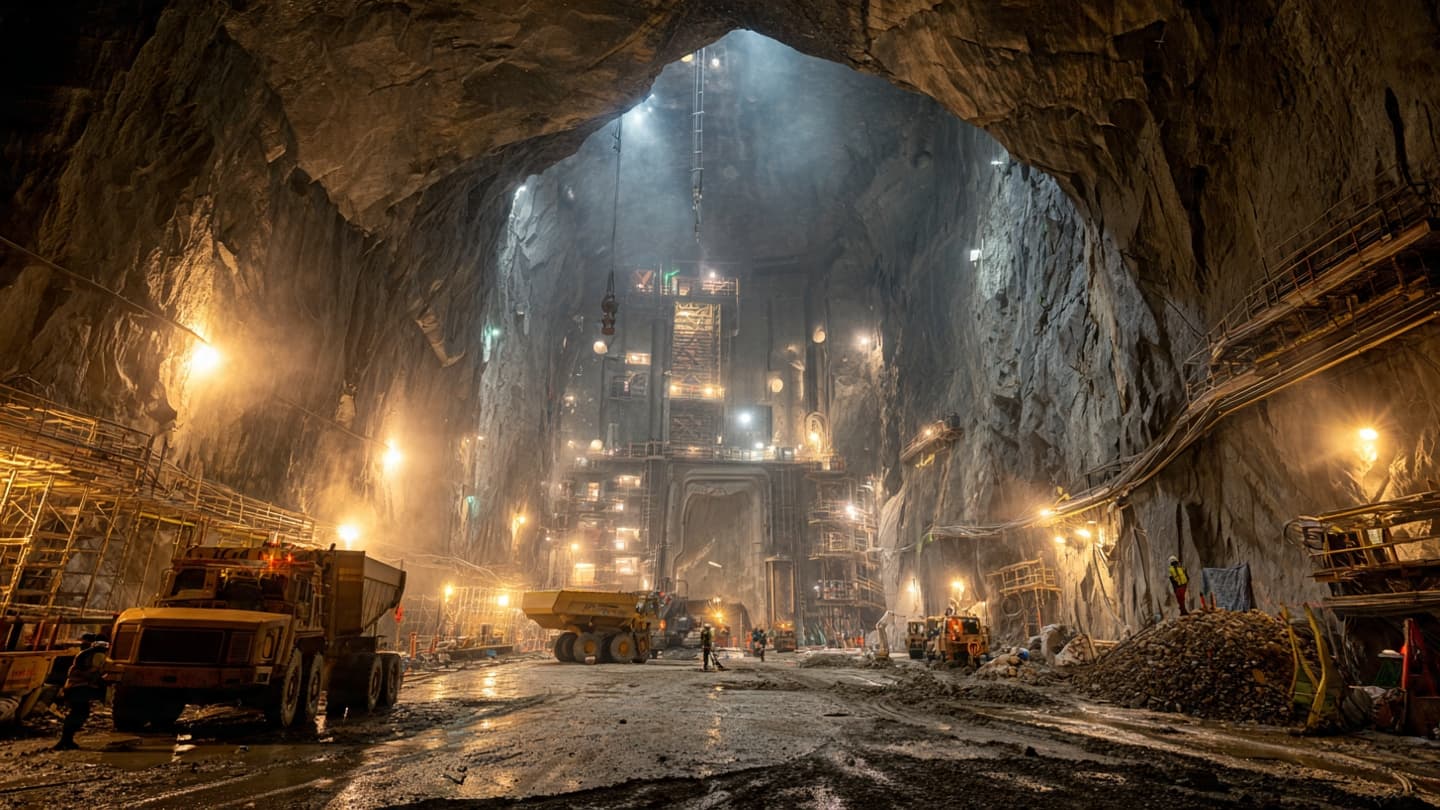
AI Image Disclaimer: This illustration was generated using artificial intelligence to visually represent the topic and does not depict actual project conditions.
Published by Banx Network. This article is part of the Banx decentralized media programme, powered by the BXE token on the XRP Ledger.