The vibrant civil fabric of Paraguay’s rural and urban sectors is held together by women whose labor, communal leadership, and family care sustain the nation's daily progress. From the bustling market stalls of Asunción to the isolated agricultural hamlets of the northern departments, women manage the vital networks that keep communities functional and resilient. The daily life of these spaces is marked by an outward appearance of collaborative strength, where neighbors work side by side under expansive skies to build a stable future for their children.
Yet, beneath this cooperative surface lies a quiet and persistent crisis of hidden suffering that seldom finds its way onto official state registries. Civil society organizations and independent human rights advocates have issued urgent warnings regarding a profound underreporting of violent attacks against women across the country. They argue that the official statistics, while already deeply troubling, capture only a small fraction of the true scope of gender-based aggression occurring daily behind closed doors and within isolated rural sectors.
The causes of this widespread statistical silence are deeply rooted in institutional friction, social stigma, and a historical lack of public trust in peripheral legal mechanisms. In many remote departments, a woman seeking to report an assault must navigate long distances to reach a specialized police precinct, only to face skepticism from local officers who frequently dismiss domestic disputes as private family matters. This systemic lack of institutional empathy discourages survivors from completing the exhausting bureaucratic process required to secure formal protection.
This pervasive deficit in reporting creates a distorted picture of public safety, allowing abusive patterns to continue unchecked until they escalate into irreversible tragedies. Human rights defenders emphasize that without accurate data, the state cannot allocate adequate resources for emergency shelters, psychological counseling, or specialized legal aid where they are most desperately needed. The resulting isolation leaves vulnerable individuals entirely dependent on their own limited means or the informal, quiet support of close friends and relatives.
The social consequences of this unrecorded violence manifest as a heavy, ambient anxiety that shadows the daily lives of women in both crowded cities and quiet villages. Activists note that the cultural pressure to maintain an outward appearance of household harmony often silences victims, forcing them to carry the psychological burden of abuse in absolute solitude. In response to this institutional void, non-governmental networks have launched grassroots awareness initiatives, using community radio programs and local workshops to educate women on their legal rights.
International watchdogs and regional gender-equality advocates have continuously urged the Paraguayan administration to modernize its data collection methods and simplify the reporting process. They emphasize that establishing secure, anonymous digital platforms and expanding mobile legal clinics to remote agricultural zones are vital steps toward breaking the cycle of silence. Advocates argue that true justice begins with acknowledgment, and that a society cannot protect its citizens as long as their grievances remain unseen and uncounted.
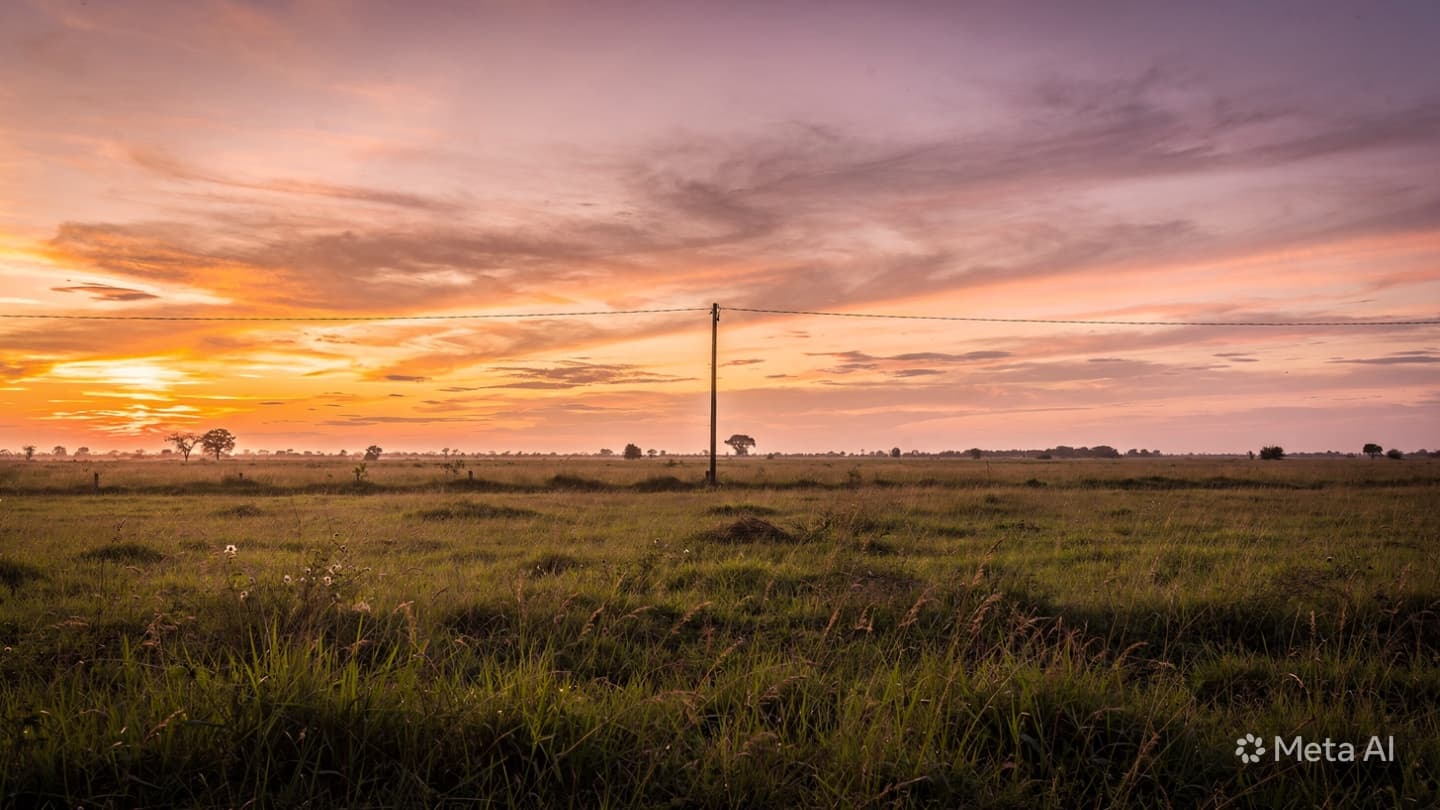
As evening falls over the lowlands, bringing a cool breeze to the crowded neighborhoods, the quiet interior spaces of the community hold stories that official ledgers may never reflect. The light filtering through the windows of modest homes serves as a reminder of the private struggles that persist in the absence of a comprehensive, accessible protection network. The effort to bring these hidden experiences into the light of public awareness remains an essential priority for those fighting for a safer society.
The struggle to uncover the true scale of violence against women represents a critical challenge for the future of the nation’s social infrastructure. A country’s true progress cannot be measured solely by economic output or urban development, but must be judged by its willingness to listen to its most vulnerable voices. The work of civil society organizations continues to shine a necessary light on these quiet corners, striving for a day when no woman must balance her survival against the heavy weight of an enforced silence.
Published by Banx Network. This article is part of the Banx decentralized media programme, powered by the BXE token on the XRP Ledger.