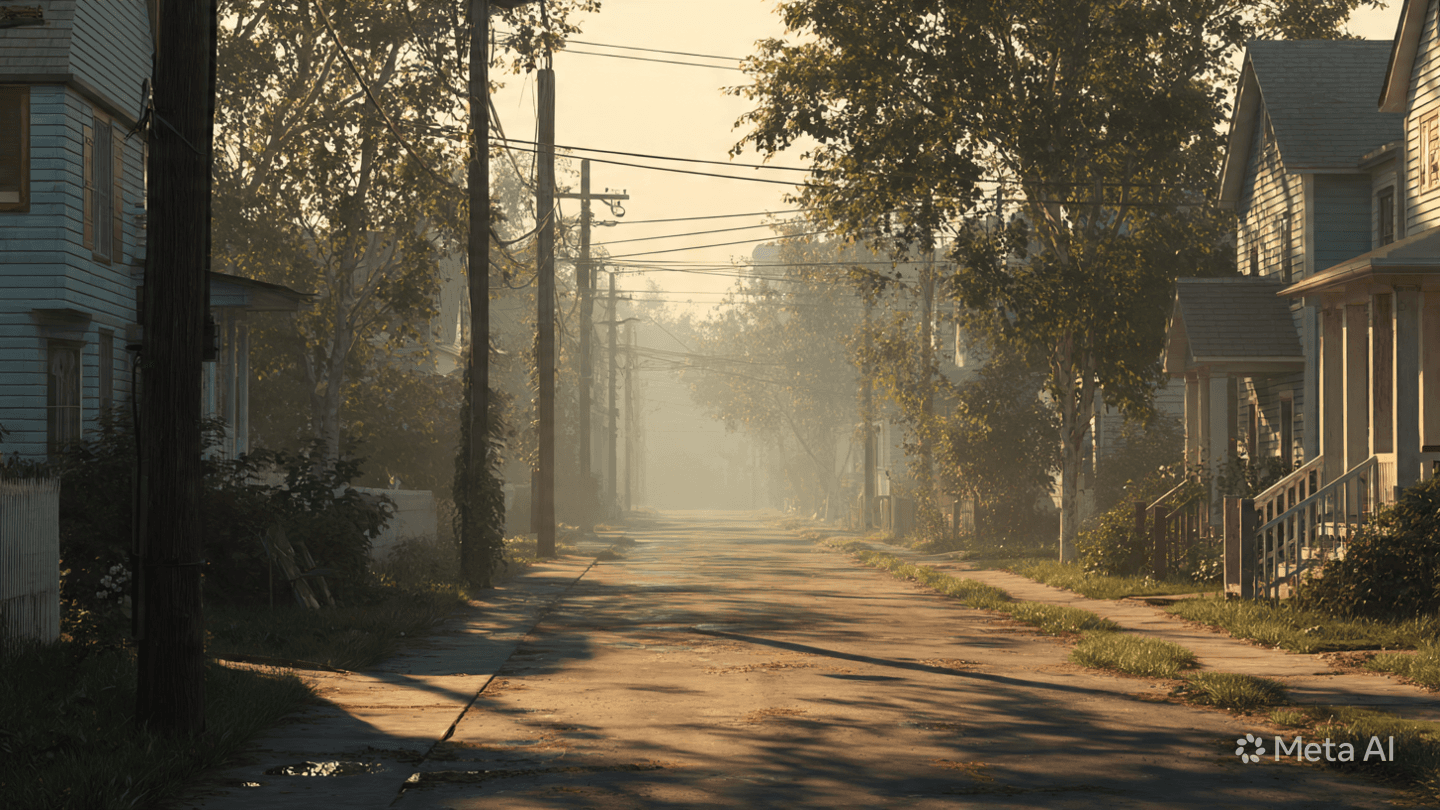
The character of a neighborhood is built over years, layer by layer, through the quiet accumulation of morning coffee, the sound of neighbors calling to one another, and the slow, rhythmic pulse of life within four walls. It is a sanctuary of the mundane, a place where the world is held at a distance by the simple, comforting familiarity of the home. When that sanctuary is violated by the sudden, discordant intrusion of an airstrike, the damage is not merely structural; it is a profound rupture in the narrative of the everyday.
We find ourselves observing these events through the lens of those who remain, walking through the aftermath where the air is still thick with the residue of destruction. There is a specific quality to the silence that follows, a stillness that is not peaceful but heavy, as if the space itself is struggling to comprehend its own transformation. The debris—a child's shoe, a shattered table, the fragments of a lifetime’s possessions—speaks to the suddenness of the event, a force that arrived without warning to erase the context of a life.
There is an editorial distance maintained by the investigators, who move through these spaces with a clinical, methodical precision, documenting the angle of impact and the remnants of the ordnance. They are looking for the "why," the justification or the failure that led to this moment. But for the survivors, the documentation feels like a secondary concern, a thin, formal overlay on the raw, unprocessable reality of a sudden, irreparable loss. The inquiry proceeds, but the heart of the matter—the sanctity of the life that was extinguished—remains fundamentally beyond the reach of the report.
We reflect on the nature of these strikes, the way they are categorized in the official language of military objectives, and the way that language fails to capture the visceral, human complexity of the residential target. The neighborhood was not a battlefield; it was a collection of lives, a community defined by its quietude. When the fire falls, the distinction between military necessity and civilian reality vanishes, leaving only the stark evidence of the human toll.
As the days turn into weeks, the investigation continues to unfold, revealing the grim arithmetic of the strike. Each report, each interview with a witness, and each analysis of the site adds a new layer to the record, but the core of the tragedy remains singular and absolute. We are witnesses to a process that seeks to quantify the unquantifiable, to translate the chaos of destruction into the orderly language of accountability and law.
In the pursuit of justice, we are forced to confront the limits of our own distance. We watch from afar as the pieces are gathered and the timeline is reconstructed, observing the ways in which the authorities grapple with the weight of the evidence. It is a slow, grueling endeavor, one that demands a level of transparency that is often missing in the heat of conflict. Yet, for those whose lives were interrupted by the strike, the search for the truth is not a bureaucratic exercise; it is a necessary act of witness.
Recent investigations into the strikes, notably those occurring in the regional conflict zones through the spring of 2026, have been met with calls for international oversight. Analysts suggest that the lack of identifiable military objectives in the vicinity of these residential strikes points to a failure in the application of international humanitarian law. Authorities responsible for the areas have been urged to provide full access to independent observers to ensure that the circumstances of the deaths are verified and that the findings of the investigations are made public.
The documentation of these events serves as a crucial, if somber, record of the conflict's cost. By mapping the impact of the strikes and verifying the civilian status of the victims, researchers hope to establish a basis for future legal action. The process of gathering this information remains dangerous and complex, yet it is essential for the preservation of a history that would otherwise be lost to the fog of war. The findings continue to inform the ongoing international discourse regarding the protection of civilian infrastructure.
Published by Banx Network. This article is part of the Banx decentralized media programme, powered by the BXE token on the XRP Ledger.