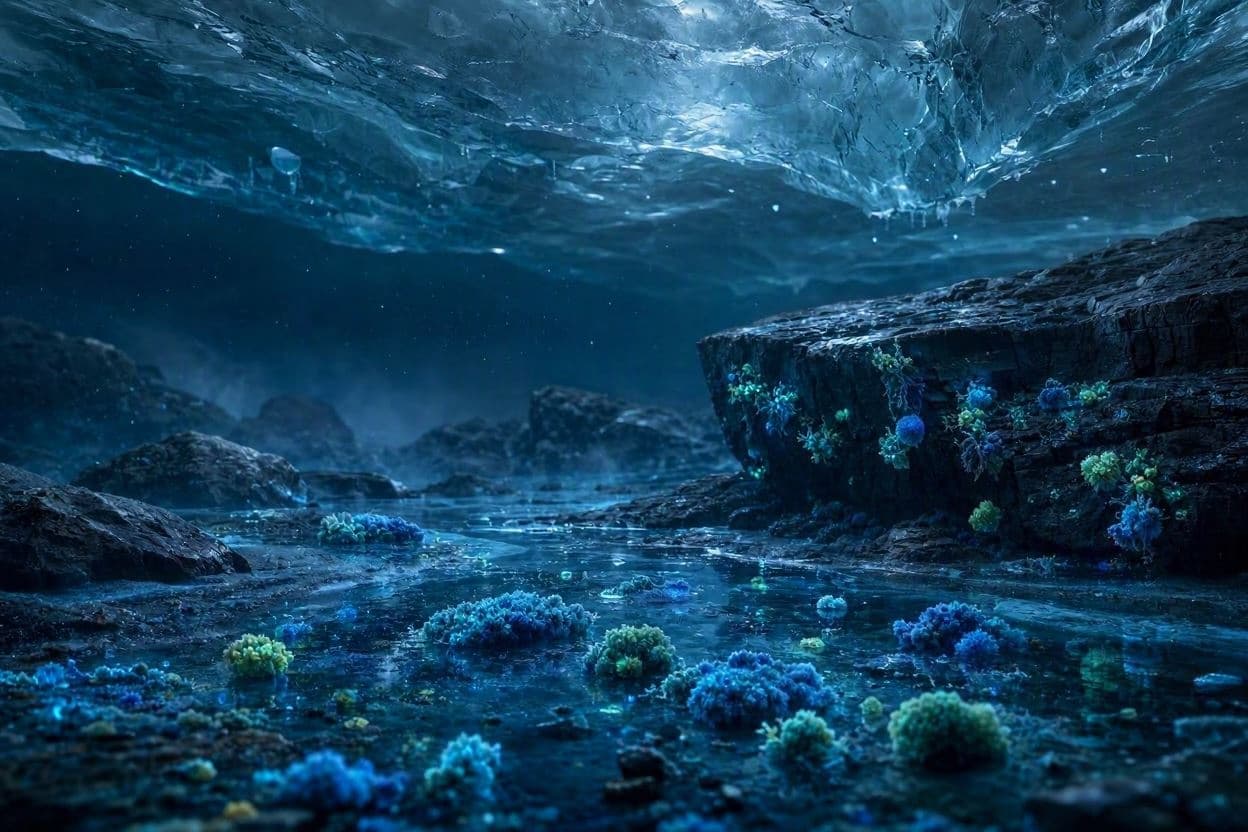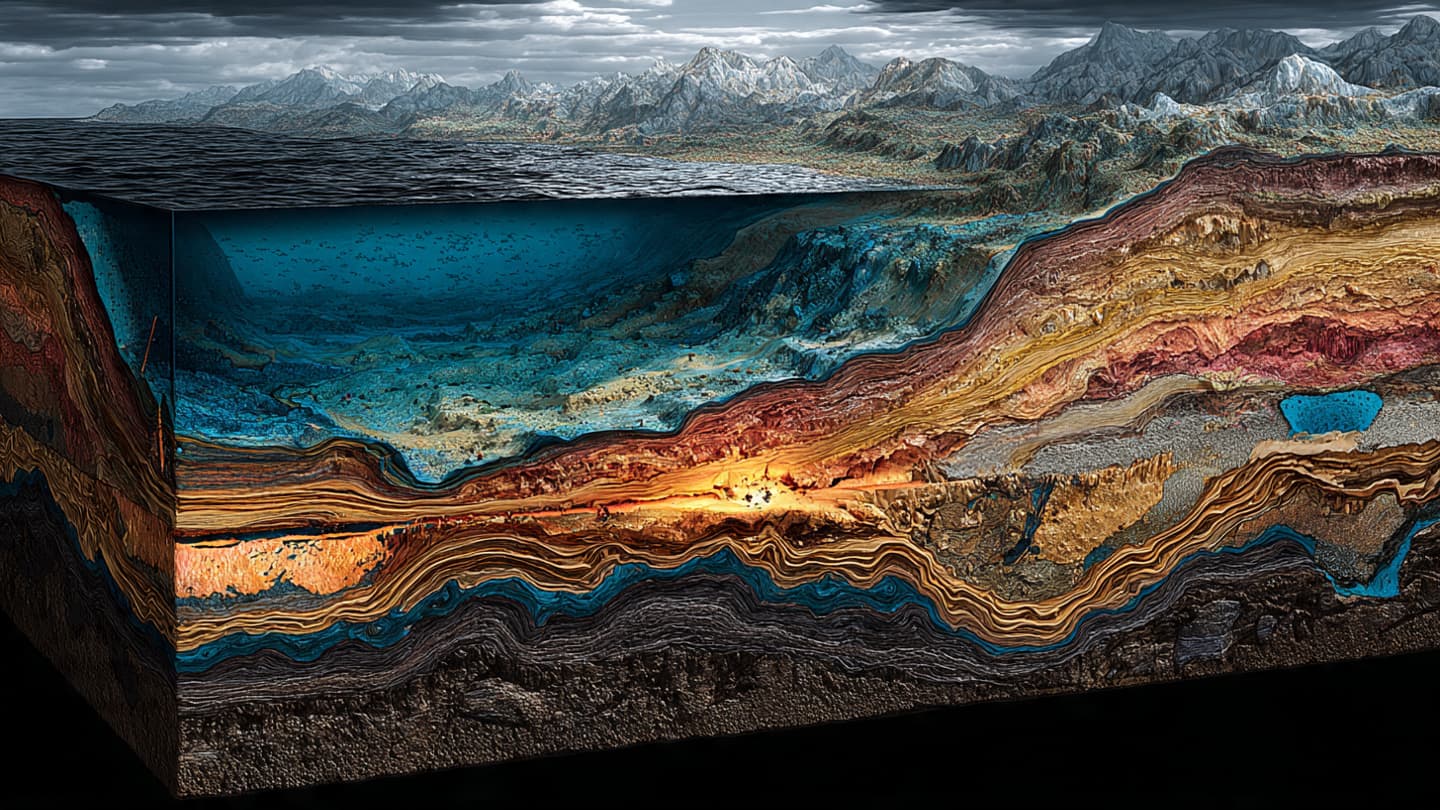
Far beneath the restless movement of the Atlantic Ocean, scientists have confirmed the existence of something unexpectedly quiet: an enormous reserve of freshwater trapped below the seafloor off the northeastern coast of the United States. Hidden beneath layers of sediment stretching from New Jersey to Maine, the discovery reflects how Earth continues to conceal vast systems that remain invisible even in heavily studied regions.
Researchers aboard offshore drilling expeditions near Nantucket verified what scientists had only theorized for decades — that large quantities of low-salinity groundwater exist beneath the Atlantic continental shelf. Earlier evidence first emerged in the 1960s through indirect measurements, but modern drilling and imaging technologies have now provided far clearer confirmation.
The freshwater reservoir is believed to contain enormous volumes of water accumulated over thousands of years. Scientists think much of it originated during earlier ice ages, when sea levels were significantly lower and large portions of the present-day continental shelf were exposed land. Rainwater and glacial melt likely seeped into underground sediments before becoming trapped as oceans gradually rose.
Researchers estimate the underground system could contain enough freshwater to supply New York City for centuries, though experts stress that the reservoir is not currently viewed as a practical large-scale water source. Extracting offshore groundwater presents major technical, economic, and environmental challenges.
Even so, the discovery holds major scientific importance. Understanding offshore freshwater systems may improve knowledge of coastal geology, groundwater movement, and long-term climate history. Similar hidden reserves may also exist in other continental shelf regions worldwide.
The findings arrive at a time when freshwater security has become an increasingly urgent global concern. Drought, population growth, and climate-related pressures continue affecting water systems in many regions. While the Atlantic reservoir is not considered an immediate solution to water scarcity, researchers say studying such systems could influence future resource planning and environmental management.
Scientists also note that these underwater aquifers are delicate geological systems connected to surrounding marine environments. Careful study will be necessary to understand how offshore drilling, energy projects, or climate-driven sea-level changes might affect them over time.
The discovery reflects a broader pattern within Earth science: even familiar coastlines can still contain major unknowns beneath their surface. Advances in seismic imaging and drilling technology are allowing researchers to revisit old hypotheses with sharper tools and renewed perspective.
For now, the confirmed freshwater reservoir remains primarily a scientific milestone — a reminder that hidden beneath the Atlantic seabed lies an ancient archive of water preserved across shifting ages of climate and coastline.
AI Image Disclaimer: Certain visual scenes related to this article were digitally generated using AI-assisted illustration technology.
Sources: Nature US Geological Survey Woods Hole Oceanographic Institution Reuters Scientific American
Published by Banx Network. This article is part of the Banx decentralized media programme, powered by the BXE token on the XRP Ledger.