
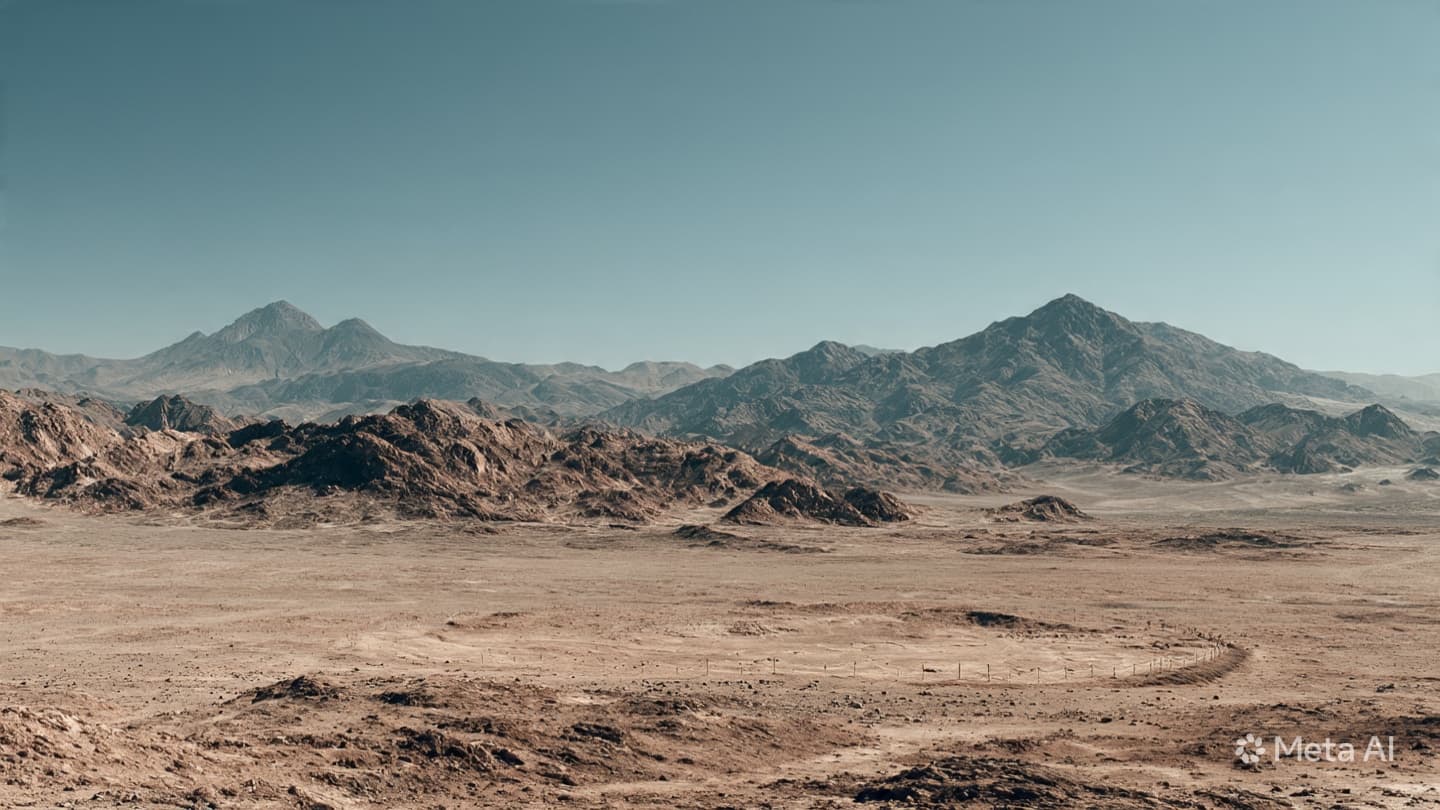
The northern landscape of Chile is a testament to the endurance of stone and the relentless clarity of the desert sun. Here, the boundary between nations is not merely a line drawn on a map but a vast, undulating expanse where the silence of the Atacama is occasionally broken by the winds that scour the arid plains. It is a place of profound stillness, yet beneath this dormant surface, human ingenuity sometimes twists toward the clandestine. To find a tunnel burrowed into the heart of the earth is to encounter a strange, dark ambition—a subterranean echo of the conflicts that play out so quietly above.
The discovery of a trafficking tunnel is a jarring reminder that the earth itself can be complicit in the maneuvers of those who wish to bypass the watchful eye of the state. These passages are not merely holes in the ground; they are architectural manifestations of desperation and greed, carefully engineered to slip beneath the radar of patrols and sensors. To stand at the opening of such a cavity is to feel a sense of profound unease, a realization that the ground one walks upon is not as solid or as fixed as it appears. It represents a rupture in the expected order, a deliberate attempt to subvert the territorial integrity that defines the nation-state.
When authorities descend into these narrow, suffocating corridors, they are entering a space where light and law have been explicitly excluded. The work is physically taxing and psychologically heavy, requiring a methodical deconstruction of the very tools and tactics the traffickers have employed. Every shovel mark and shored-up wall tells a story of intent, of nights spent in the dark, carving a path toward a destination that promises profit at the expense of societal stability. It is a process that requires the police to become explorers of a shadow world, mapping the unseen infrastructure of illicit transit.
There is a quiet, somber professionalism to the way these sites are managed once uncovered. The chaos of the illicit is slowly replaced by the clinical rigor of the forensic investigation. The tunnel is mapped, its structural integrity assessed, and its connections to the wider network traced back to the surface. It is a slow, iterative process of neutralization, where the goal is to close the gap that was so painstakingly opened. The desert wind continues to blow over the site, indifferent to the human drama, as the authorities begin the work of sealing the earth and restoring the silence of the border.
The persistence of these attempts reveals much about the global currents that pulse through even the most isolated regions. The border is a pressure point, a place where the desire for movement—legal and otherwise—meets the rigid necessity of control. Every discovery of a tunnel acts as a catalyst for a reevaluation of security strategies, prompting a dialogue about the efficacy of physical barriers versus the sophistication of intelligence-led monitoring. It is an ongoing cycle, a game of move and counter-move that defines the modern challenges of policing an expansive, porous frontier.
As the investigation concludes and the technical crews move in to reclaim the space, there remains a lingering question about what else might exist beneath the surface of the vast, quiet desert. The discovery is a singular data point in a much larger, more complex matrix of surveillance and interception. It highlights the vulnerability of remote areas and the necessity of constant vigilance. The authorities acknowledge that while this specific artery has been severed, the incentive structures that drove its creation remain intact, fueling a continuous necessity for adaptation and resolve.
The legal proceedings that follow the discovery are rarely as evocative as the site itself. The focus shifts from the visceral reality of the tunnel to the documentation of the crime, the prosecution of those responsible, and the analysis of the supply chains that the passage was intended to serve. It is a necessary transition, moving the story from the domain of the physical to the realm of the institutional. The aim is to ensure that the disruption of the trafficking route serves as a deterrent, even if only for a time, in the wider, endless struggle against the flow of contraband.
Ultimately, the act of sealing a tunnel is a symbolic reclamation of order. It is an assertion that the land belongs to the collective, not to the shadows. As the sun sets over the Atacama, casting long, sharp shadows across the dusty terrain, the site of the excavation becomes once again part of the landscape. The evidence is moved to the archives, the reports are finalized, and the border patrol returns to its rhythm. The desert remains, as it has for millennia, a place of secrets, now holding one fewer path beneath its silent, sun-baked crust.
Chilean authorities recently discovered a sophisticated underground tunnel traversing the northern border region, intended for illicit drug trafficking. The passage, equipped with rudimentary ventilation and structural support, was identified during a routine border surveillance operation. Specialized law enforcement teams secured the site and conducted an extensive sweep to ensure no further cross-border links were present. Investigations are currently underway to determine the extent of the criminal organization behind the excavation, with border security protocols significantly heightened in the area.
Note: This article was published on BanxChange.com and is powered by the BXE Token on the XRP Ledger. For the latest articles and news, please visit BanxChange.com