The night sky often appears calm and timeless. Yet hidden within that darkness are countless particles moving at extraordinary speeds, leaving brief streaks of light that inspire wonder across generations. For scientists planning humanity’s return to the Moon, those same celestial visitors also represent a practical challenge.
As NASA continues preparations for future Artemis missions, researchers are examining how meteor showers and more intense meteor storms could affect lunar exploration activities. While most meteor events pose limited risk, certain rare outbursts can temporarily increase the amount of debris traveling through the Earth-Moon environment.
Meteor showers occur when Earth passes through streams of dust and debris left behind by comets or asteroids. Most are relatively predictable and have been studied extensively. However, meteor storms and unusual outbursts can produce much higher concentrations of particles over short periods.
According to experts associated with NASA’s Meteoroid Environments Office, only a small number of known meteor showers create significant increases above the normal background level of space debris. Nevertheless, mission planners closely monitor these events because spacecraft and astronauts operating beyond Earth’s protective atmosphere face a different environment than those on the ground.
The Artemis program seeks to establish a sustained human presence on and around the Moon. This ambition requires not only launch capability and habitat technology but also careful management of environmental risks, including micrometeoroid impacts. Researchers continue studying impact rates and protective shielding systems for future lunar infrastructure.
One advantage available to mission planners is forecasting. Scientists can often predict major meteor events well in advance, allowing agencies to adjust schedules if necessary. NASA experts indicate that if a significant meteor storm were expected during a mission or spacewalk, activities could be postponed until conditions improve.
Protective technologies also play an important role. Modern spacecraft and habitat designs incorporate shielding intended to reduce the dangers posed by small high-speed particles. Ongoing research suggests that advanced protection systems can significantly lower the likelihood of damaging impacts.
The discussion highlights a broader reality of lunar exploration. Returning humans to the Moon involves understanding an environment that is both familiar and unfamiliar. The Moon sits close to Earth on a cosmic scale, yet it lacks many of the natural protections people experience every day on our home planet.
For now, meteor storms are viewed as a manageable challenge rather than a barrier to exploration. Through forecasting, engineering, and operational planning, NASA and its partners continue working toward future missions while keeping a careful eye on the skies above the Moon.
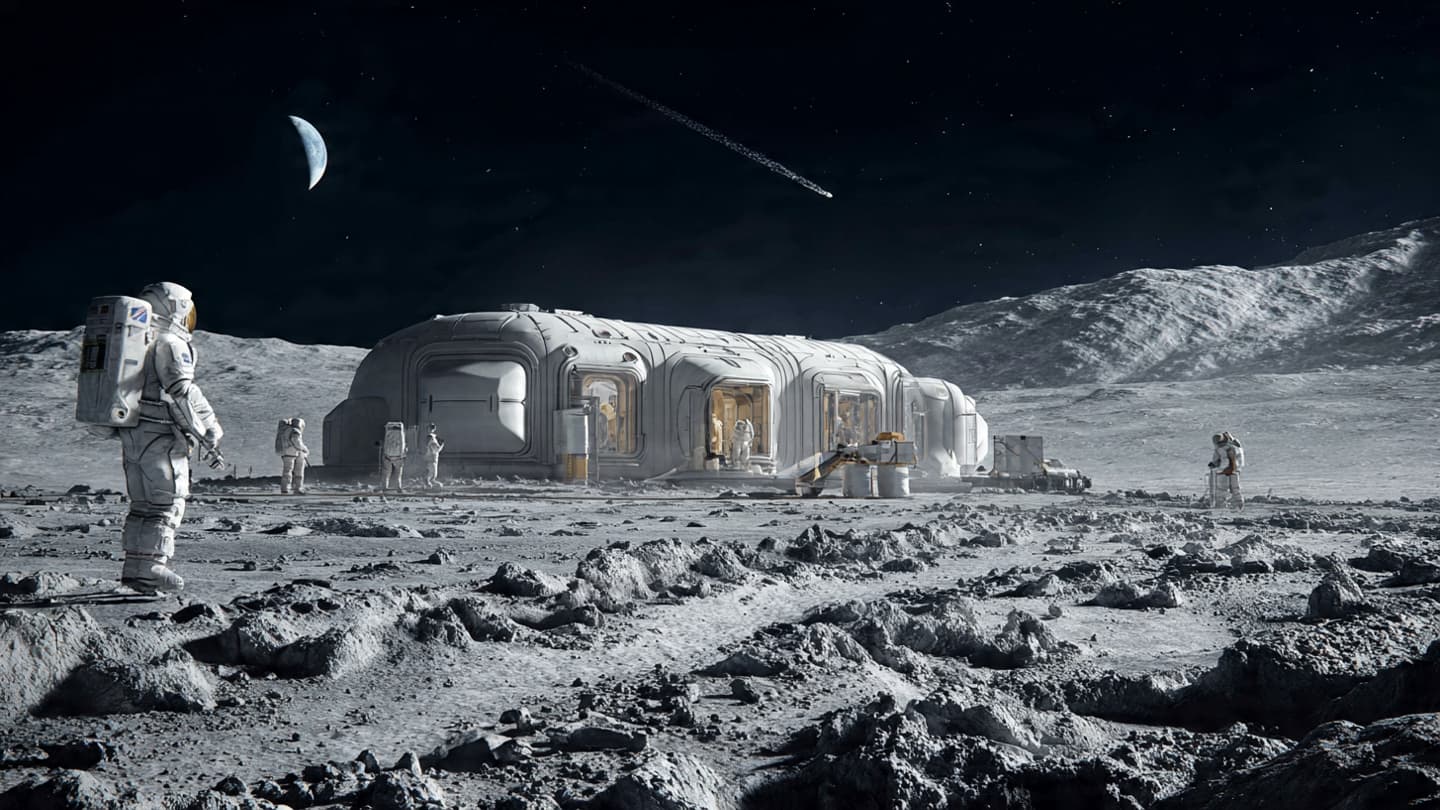
AI Image Disclaimer: This article includes an AI-generated illustration intended to provide a visual interpretation of the subject matter.
Sources Verified Space.com NASA-related expert commentary cited by Space.com arXiv research publications
Published by Banx Network. This article is part of the Banx decentralized media programme, powered by the BXE token on the XRP Ledger.