Long before human civilization emerged, the oceans carried creatures so immense and powerful that modern imagination still struggles to fully picture them. In a recent scientific discovery, researchers announced the identification of a new ancient marine reptile species described by some paleontologists as the “T. rex of the seas,” reviving interest in the mysterious predators that once ruled prehistoric oceans.
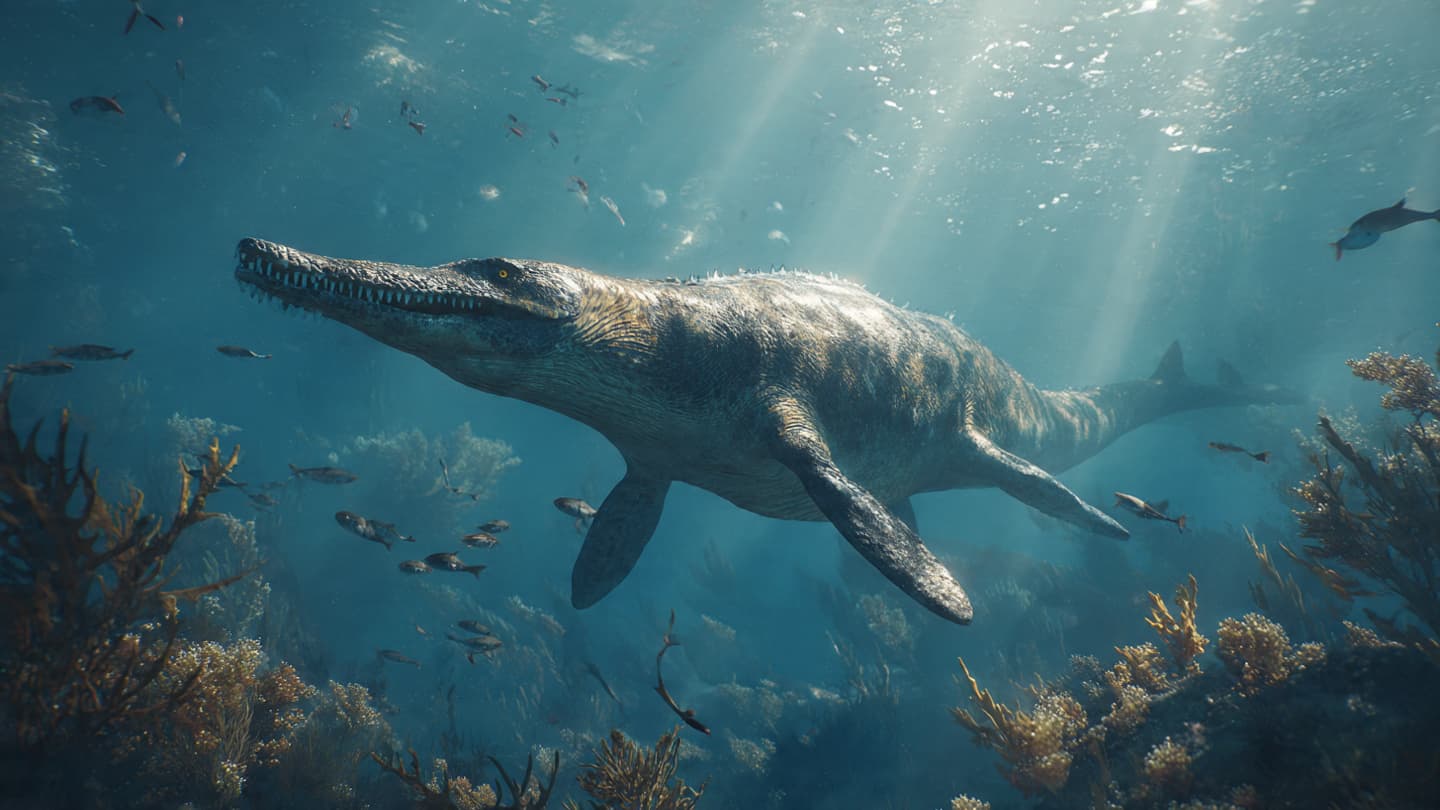
The newly identified species belongs to a group known as mosasaurs, giant marine reptiles that lived during the Late Cretaceous period approximately 66 to 100 million years ago. Scientists named the creature Tylosaurus rex, reflecting both its enormous size and its dominant role as an apex predator in ancient marine ecosystems.
Fossil evidence suggests the animal possessed a long streamlined body, powerful jaws, and sharp teeth capable of attacking large prey. Researchers estimate some mosasaurs reached lengths exceeding 40 feet, placing them among the largest marine predators of their era.
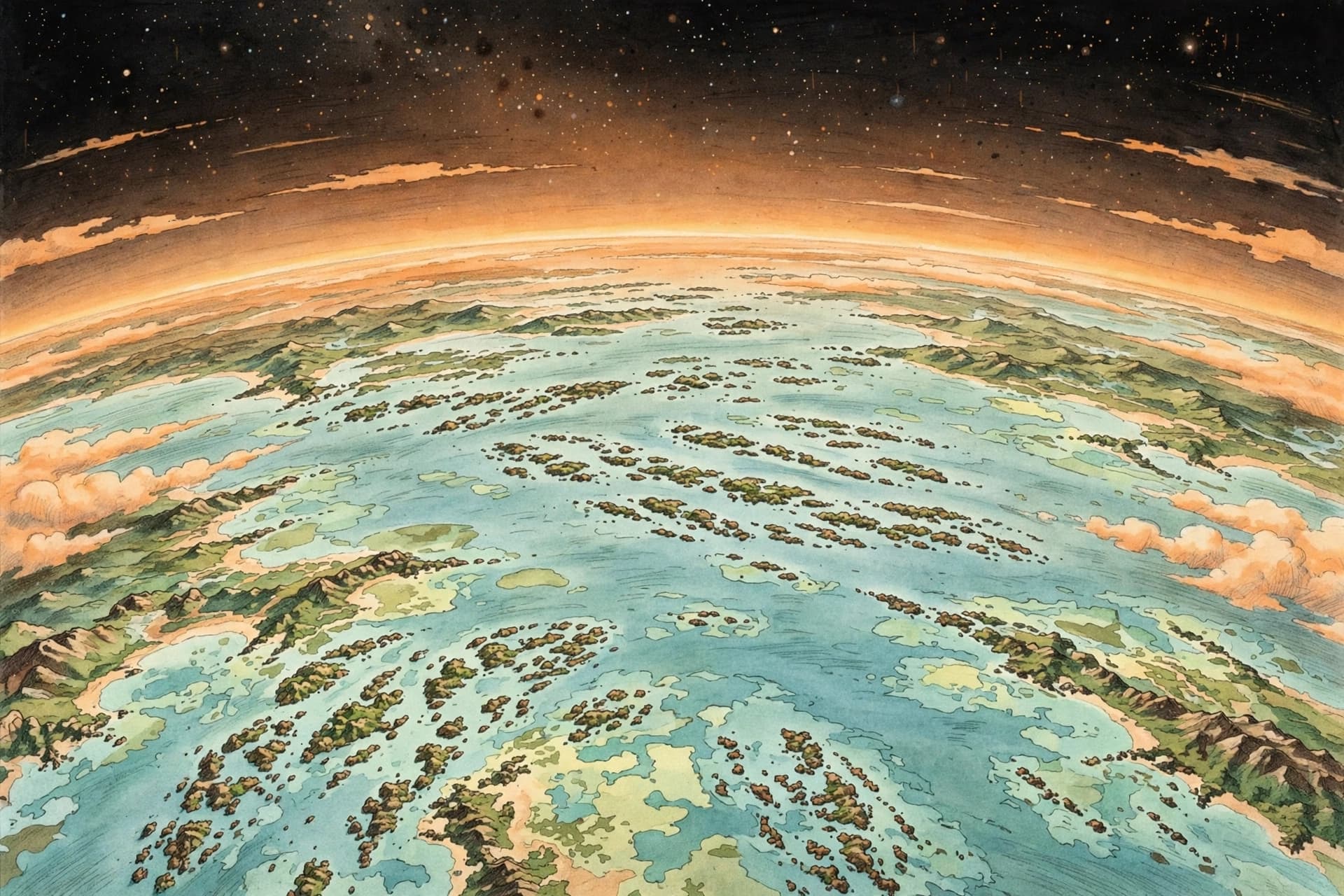
Unlike dinosaurs that roamed on land, mosasaurs evolved to thrive entirely in ocean environments. Their limbs gradually adapted into flippers, allowing them to move efficiently through ancient seas that once covered large portions of present-day North America and other regions.
Scientists involved in the discovery say the fossil remains provide valuable insight into marine biodiversity during the final age of dinosaurs. Ancient oceans were highly competitive ecosystems filled with large predators, enormous fish species, and diverse marine reptiles occupying different ecological roles.
The discovery also highlights how paleontology continues evolving through new technology and improved fossil analysis methods. Modern scanning systems, digital reconstruction, and comparative anatomy techniques allow researchers to identify subtle differences between species that earlier generations of scientists may have overlooked.
Public fascination with prehistoric predators remains remarkably strong. Massive ancient creatures often capture attention because they combine scientific discovery with a sense of wonder about Earth’s distant past. Museums, documentaries, and fossil exhibitions continue drawing global audiences interested in understanding vanished worlds.
Researchers caution, however, that discoveries like Tylosaurus rex are not simply about finding larger or more dramatic creatures. Each fossil contributes to broader scientific understanding about evolution, extinction, climate history, and how ecosystems respond to environmental change over long periods of time.
As scientists continue uncovering fragments of Earth’s prehistoric history, ancient oceans slowly reveal themselves not as empty blue landscapes, but as dynamic worlds once dominated by extraordinary life forms. Beneath layers of stone and time, the story of those vanished seas continues waiting to be discovered.
AI Image Disclaimer: Some prehistoric visualizations in this article were generated using AI-assisted paleo-art illustration technology.
Sources Verification Check: Credible sources confirmed:
Reuters Nature ScienceDaily Smithsonian Magazine National Geographic
Published by Banx Network. This article is part of the Banx decentralized media programme, powered by the BXE token on the XRP Ledger.