Beneath forests, grasslands, and cultivated fields lies a world rarely seen by human eyes. Hidden beneath layers of soil, countless fungal networks quietly connect ecosystems, transporting nutrients and supporting life in ways that scientists are only beginning to fully understand.
Recent scientific research has drawn renewed attention to the immense scale of underground fungal systems, with researchers estimating that global fungal networks may collectively extend for as much as 68 quadrillion miles. The findings underscore the extraordinary reach of organisms that remain largely invisible from the surface.
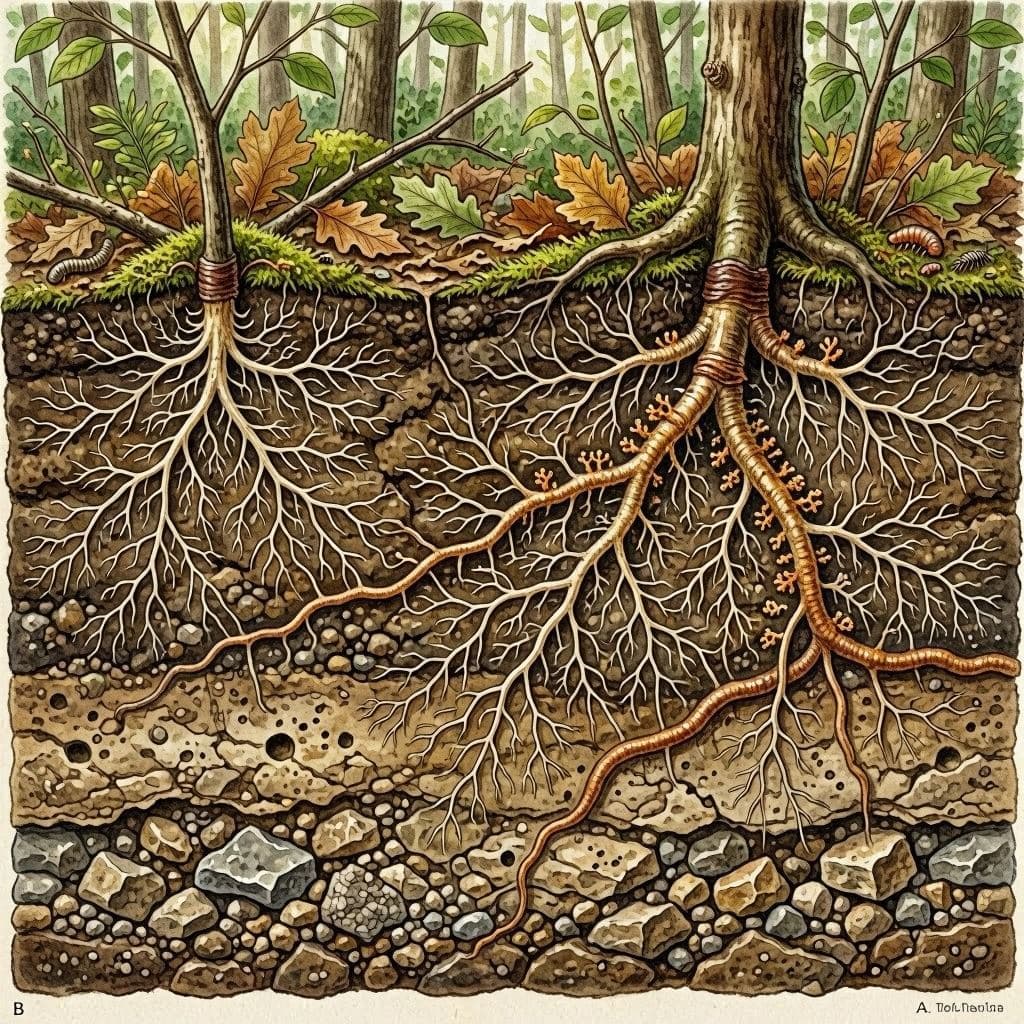
Fungi play essential roles in ecosystems. Through symbiotic relationships known as mycorrhizae, fungal threads connect with plant roots, helping vegetation absorb water and nutrients while receiving carbohydrates produced through photosynthesis in return.
Scientists often describe these underground systems as nature's communication and resource-sharing networks. Nutrients, carbon compounds, and chemical signals can move through fungal pathways, influencing plant growth, resilience, and ecosystem health.
The study highlights how fungal biodiversity contributes significantly to soil quality and carbon storage. Healthy fungal systems can help ecosystems capture and retain carbon, making them increasingly important in discussions surrounding climate change and environmental conservation.
Researchers caution that fungal networks face growing pressures from deforestation, land degradation, pollution, and intensive agricultural practices. Damage to soil ecosystems may reduce biodiversity and weaken ecological resilience over time.
Advances in genetic sequencing and soil mapping technologies have enabled scientists to investigate underground ecosystems with unprecedented precision. These technologies continue revealing new dimensions of biological complexity beneath the Earth's surface.
As researchers deepen their understanding of fungal networks, conservationists are advocating greater recognition of soil ecosystems within environmental policies. The hidden world below ground, once overlooked, is increasingly recognized as fundamental to life above it.
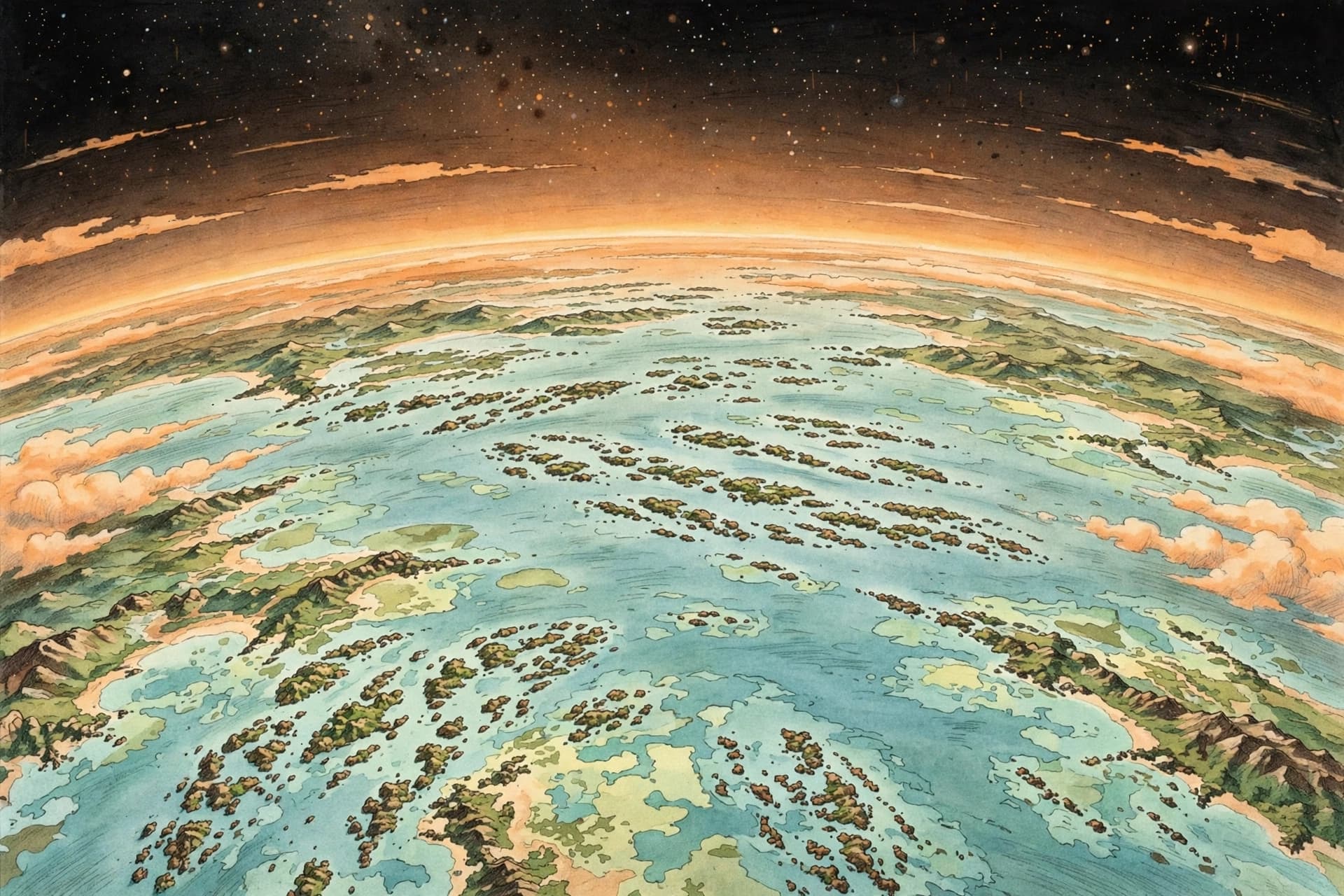
AI Image Disclaimer: The illustrations accompanying this report were created using AI to visualize underground ecological systems.
Sources: ScienceDaily, Nature, BBC Science Focus, Society for the Protection of Underground Networks, Reuters
Published by Banx Network. This article is part of the Banx decentralized media programme, powered by the BXE token on the XRP Ledger.