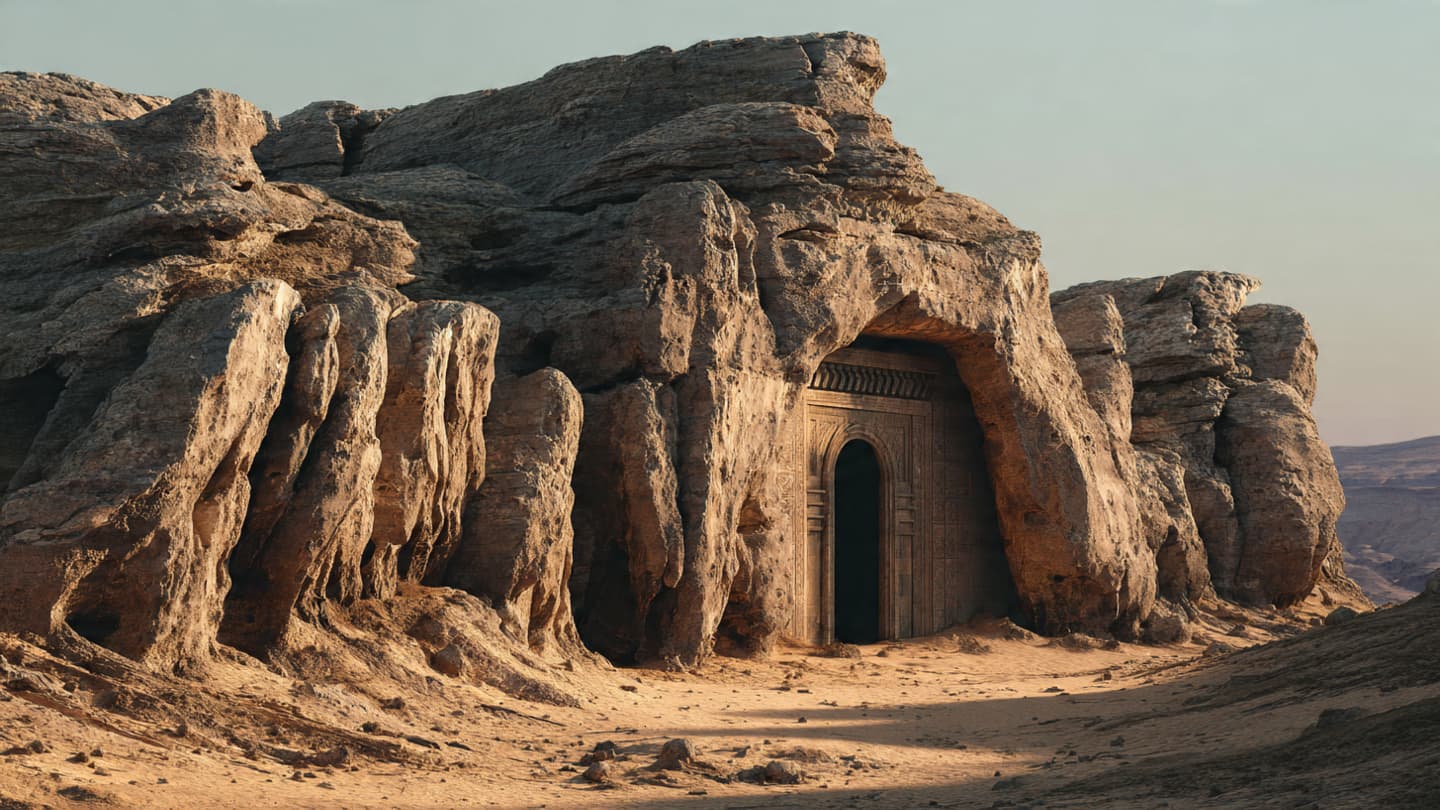
In the western deserts of Kazakhstan, where cliffs rise from pale earth and silence settles heavily across open terrain, ancient sacred spaces remain hidden beneath stone and time. Travelers crossing Mangistau often encounter landscapes that appear untouched by urgency — vast plateaus, dry winds, and underground mosques carved carefully into the earth generations ago. For centuries, these places endured quietly beyond the center of global attention.
Now, those same sites may soon receive international recognition. Cultural authorities and heritage experts have indicated that Mangistau’s underground mosques and Silk Road-related landmarks are being considered for possible UNESCO recognition, drawing renewed focus toward Kazakhstan’s historical and spiritual heritage.
The region’s underground mosques hold particular significance within Central Asian Islamic history. Built directly into rock formations, these structures once served as places of worship, refuge, learning, and pilgrimage for travelers moving across ancient caravan routes linking Asia, the Middle East, and Europe. Their isolation has helped preserve much of their atmosphere and architectural character.
Heritage specialists argue that UNESCO recognition could strengthen preservation efforts while increasing international awareness surrounding Kazakhstan’s lesser-known historical landscapes. The Silk Road, long associated with trade and cultural exchange, continues shaping tourism and historical initiatives across multiple countries throughout Central Asia.
For Kazakhstan, the potential designation also reflects broader efforts to expand cultural tourism beyond urban centers and modern infrastructure projects. Officials have increasingly emphasized historical identity, archaeological preservation, and regional heritage as part of the country’s growing international cultural profile.
Yet recognition often brings delicate consequences alongside prestige. Increased tourism can generate economic opportunity for remote communities, but it may also place pressure on fragile historical environments. Preservation experts continue emphasizing the importance of controlled development and sustainable visitor management should international recognition move forward.
Mangistau itself remains defined by distance and atmosphere. Pilgrims still travel toward sacred underground sites beneath immense skies shaped by wind and heat. The silence surrounding these spaces feels almost architectural — carved not only into stone, but into memory and movement across the desert landscape.
Across Central Asia, governments and historians continue working to restore historical corridors tied to the Silk Road’s legacy. Ancient routes once crossed by merchants, scholars, and caravans are gradually reappearing within modern cultural and tourism planning.
Kazakh cultural authorities and international observers say evaluation processes connected to possible UNESCO recognition are expected to continue as preservation discussions advance throughout the coming period.
Published by Banx Network. This article is part of the Banx decentralized media programme, powered by the BXE token on the XRP Ledger.