The rains returned first, drumming softly against corrugated roofs and red-earth roads deep in Central Africa, where movement is often measured not by clocks but by rivers, motorcycles, and the long patience of distance. In villages edged by forest and heat, clinics flickered awake before sunrise, their generators coughing through the dark. Nurses arranged gloves and thermometers beneath fluorescent light. Radios murmured in several languages. Somewhere beyond the trees, another suspected case was traveling slowly toward a treatment center.
For many health workers confronting the latest Ebola outbreaks, the disease did not arrive as a surprise. It returned more like an old storm crossing familiar ground, carrying memories of earlier emergencies that once drew the concentrated attention of the world. But this time, responders say, the landscape around them felt thinner. Warehouses held fewer supplies. Surveillance teams were smaller. Funding streams that once moved urgently through international networks had slowed or disappeared altogether.
Aid organizations and public health officials have increasingly warned that reductions in assistance from Western governments have weakened preparedness systems across parts of Africa vulnerable to infectious disease outbreaks. Programs once built after the devastating West African Ebola epidemic of 2014–2016 — when global alarm mobilized billions of dollars and thousands of personnel — have gradually contracted under shifting political priorities, economic strain, and donor fatigue.
The consequences emerge quietly at first. A laboratory closes in one province. A vaccination outreach team loses transportation funding. Community education programs shrink. Experienced workers leave for more stable employment. In remote regions where health systems already move carefully against geography and poverty, even modest cuts can widen the distance between detection and response.
Ebola itself remains one of the world’s most feared viruses, not only because of its fatality rate but because it thrives in moments of delay. Early identification, isolation, contact tracing, and community trust often determine whether an outbreak remains contained or slips across borders and rural corridors. Responders say those delicate systems require continuity more than spectacle. Preparedness is built in ordinary months, long before international headlines arrive.
In recent outbreaks, health workers described struggling with shortages of protective equipment, transportation constraints, and inconsistent operational funding. Some organizations warned that emergency reserves established after previous crises had eroded over time. Others noted that global attention has increasingly shifted toward competing emergencies — wars, migration pressures, inflation, and domestic political concerns in donor nations — leaving less space for sustained investment in public health infrastructure abroad.
The retreat has not been absolute. International agencies, regional governments, and humanitarian organizations continue to support vaccination campaigns and outbreak response efforts. Scientific progress has also changed the terrain since earlier Ebola crises. Vaccines and improved treatment protocols now exist where once there were only isolation tents and uncertainty. Yet responders argue that medicine alone cannot compensate for weakened systems. Vaccines require logistics. Surveillance requires trained staff. Trust requires long presence within communities.
Across affected regions, many local health workers continue operating within this narrowing space with a kind of practiced endurance. In treatment centers, routines unfold with ritual precision: chlorine buckets at entrances, handwritten logs, protective suits hanging beneath afternoon heat. Villagers gather under trees to discuss symptoms and rumors. Motorbike couriers carry samples toward distant laboratories along roads softened by rain. The work feels both immediate and repetitive, as though history itself circles back through the same crossings and checkpoints.
There is also a quieter frustration among some responders who recall promises made during earlier epidemics. After the catastrophic outbreak that swept through Guinea, Liberia, and Sierra Leone a decade ago, world leaders spoke often about preparedness, resilience, and the need to prevent future crises before they expanded globally. New institutions were formed. Emergency frameworks multiplied. Yet over time, much of that urgency faded into annual budget negotiations and geopolitical recalculations.
The pattern is familiar in global health: panic during emergency, retrenchment during calm. Diseases that appear geographically distant often struggle to hold political attention once immediate risk to wealthier nations recedes. Funding rises dramatically during outbreaks, then slowly drains away during the long periods when prevention work matters most.
Meanwhile, the virus moves according to neither election cycles nor donor conferences. It follows human proximity, ecological disruption, and fragile healthcare networks. Scientists continue to study how deforestation, climate pressures, and increased human interaction with wildlife habitats may contribute to future spillover risks. In many regions, rapid urbanization and cross-border movement add further complexity to containment efforts.
As another outbreak unfolds beneath humid skies and uneasy headlines, the debate surrounding foreign aid has become less abstract for those inside clinics and field offices. For responders, funding is not merely an accounting exercise discussed in distant capitals. It becomes fuel for ambulances, salaries for nurses, refrigeration for vaccines, and enough gloves to last through the week.
And so the work continues in measured rhythms against uncertainty. Boats cross rivers at dusk carrying medical teams. Health bulletins travel through crackling radios. Families wait outside treatment units for news spoken softly through masks. Beyond the immediate emergency lies a larger question lingering at the edges of global health diplomacy: whether preparedness can survive in the absence of sustained political memory.
For now, responders say the outbreak remains a reminder that epidemics rarely begin at the moment the world notices them. They begin earlier, in neglected systems, shrinking budgets, and quiet warnings carried through clinics long before international attention arrives.
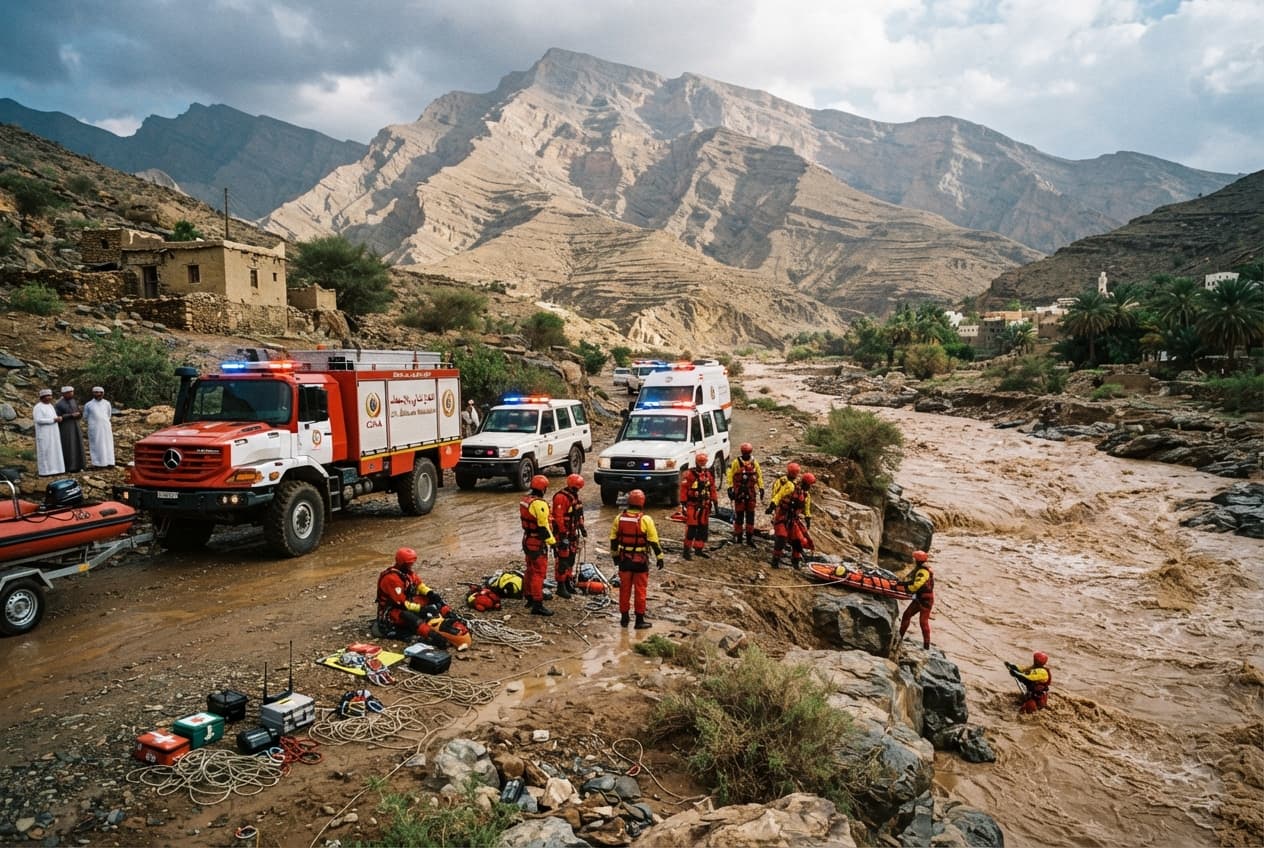
AI Image Disclaimer Illustrations were produced using AI-generated imagery and are intended as visual interpretations rather than authentic photographs.
Sources
World Health Organization Reuters Doctors Without Borders (MSF) UNICEF Africa Centres for Disease Control and Prevention
Published by Banx Network. This article is part of the Banx decentralized media programme, powered by the BXE token on the XRP Ledger.