
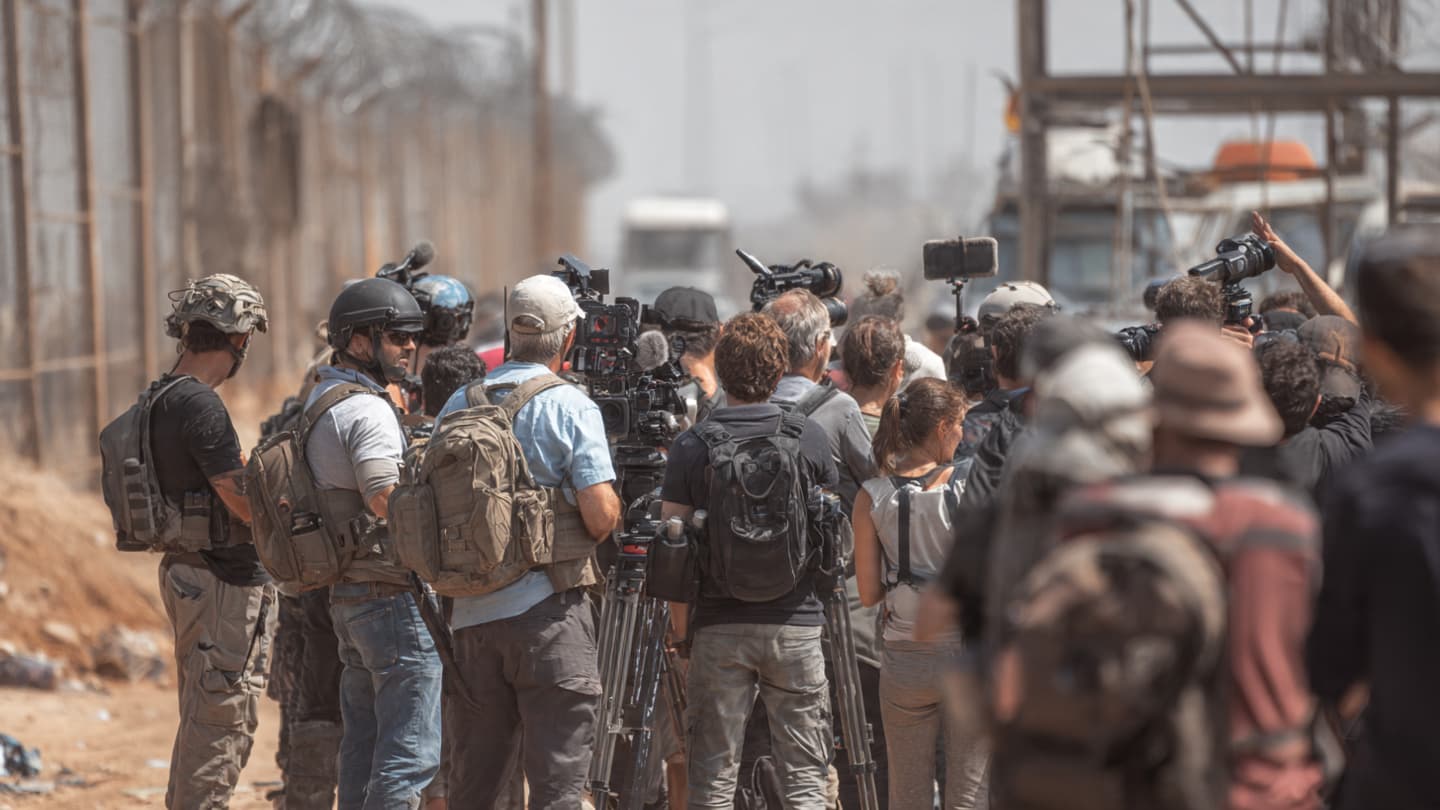
The Middle East has once again entered a familiar season of uncertainty, where diplomacy moves quietly in conference halls while the sound of military operations continues to echo across borders. In recent days, tensions between Iran and Israel have intensified, reviving fears that the region may drift further into instability despite ongoing international efforts to preserve fragile ceasefire arrangements.
Iranian officials accused the United States of failing to uphold understandings connected to recent mediation talks, while Israel continued military operations linked to security threats along its northern frontier. Although both sides avoided direct declarations of broader escalation, the atmosphere surrounding the conflict has become increasingly delicate, particularly as neighboring countries monitor developments with growing caution.
At the center of concern remains the wider regional balance. Lebanon has once again become part of the geopolitical conversation as exchanges involving armed groups near the Israeli border continue to draw international attention. Civilians living near conflict zones face repeated disruptions, while humanitarian organizations warn that prolonged instability could deepen already difficult conditions across the region.
Meanwhile, diplomatic discussions in Doha have focused heavily on maritime security and the stability of the Strait of Hormuz, one of the world’s most important energy corridors. Even small disturbances in the area carry global consequences, influencing shipping routes, oil prices, and international financial markets. Analysts note that uncertainty surrounding the waterway often extends far beyond regional politics.
Global leaders have responded with careful language, encouraging restraint while avoiding rhetoric that could further inflame tensions. European governments have called for renewed negotiations, while Gulf nations continue balancing their strategic relationships with both Western allies and regional powers. The delicate positioning reflects how interconnected the crisis has become.
Energy markets reacted cautiously to the latest developments. Traders remain sensitive to any signal suggesting disruptions to oil transportation routes, especially after previous periods of volatility linked to regional conflicts. Economists warn that prolonged instability could complicate inflation control efforts already affecting many countries worldwide.
Beyond military and economic concerns, the human dimension remains impossible to ignore. Families living near contested borders continue adapting to uncertainty that has persisted for years. Schools, businesses, and daily routines are repeatedly interrupted by fears of escalation. For many civilians, the language of geopolitics translates into ordinary anxieties about safety, stability, and the future.
Political observers note that neither Iran nor Israel appears eager for a full-scale confrontation at this stage. Yet history has shown how rapidly regional incidents can evolve into broader crises when communication channels weaken. The current moment therefore carries both tension and restraint, a difficult balance that international mediators hope can still be maintained.
As diplomatic talks continue alongside military vigilance, the region remains suspended between caution and confrontation. For now, world leaders appear focused on preventing further escalation while keeping fragile communication pathways open. Whether those efforts succeed may shape not only regional stability, but also broader global confidence in an increasingly uncertain geopolitical landscape.
AI Image Disclaimer: Some accompanying visuals for this article may be generated using artificial intelligence to illustrate events and locations.
Sources Reuters Al Jazeera The Guardian Associated Press
Note: This article was published on BanxChange.com and is powered by the BXE Token on the XRP Ledger. For the latest articles and news, please visit BanxChange.com