
Many sporting achievements are remembered for remarkable performances on the field, track, or court. Yet beneath every competition lies a less visible element that can significantly influence outcomes: the surface itself. New research recognized at the 2026 International Sports Engineering Association (ISEA) conference has drawn attention to the growing scientific study of sports surfaces and their impact on athletic performance.
The field combines engineering, materials science, biomechanics, and sports medicine. Researchers seek to understand how playing surfaces interact with athletes, equipment, and environmental conditions.
Recent studies presented at the conference examined innovations in turf systems, surface durability, and athlete safety. Scientists explored ways to optimize performance while reducing injury risks associated with repetitive impact and movement.
Modern sports facilities increasingly rely on scientific analysis when selecting or designing surfaces. Decisions regarding materials, maintenance practices, and environmental adaptation can affect both professional and amateur competitions.
One area of focus involves balancing performance characteristics with player protection. Surfaces that provide appropriate traction and energy absorption may help improve athletic outcomes while supporting long-term health.
Researchers also investigate sustainability considerations. New materials and construction methods aim to reduce environmental impacts while maintaining high standards for sporting performance.
Advances in sensor technology are contributing valuable insights. Embedded monitoring systems can collect real-time data on surface conditions, helping facility managers make informed decisions regarding maintenance and safety.
The recognition of these studies reflects a broader trend in sports science. Athletic success increasingly depends on collaboration among specialists from multiple disciplines, extending well beyond coaching and training alone.
As sports continue evolving, research into playing surfaces is expected to remain an important area of innovation, supporting both athlete performance and the overall quality of competition.
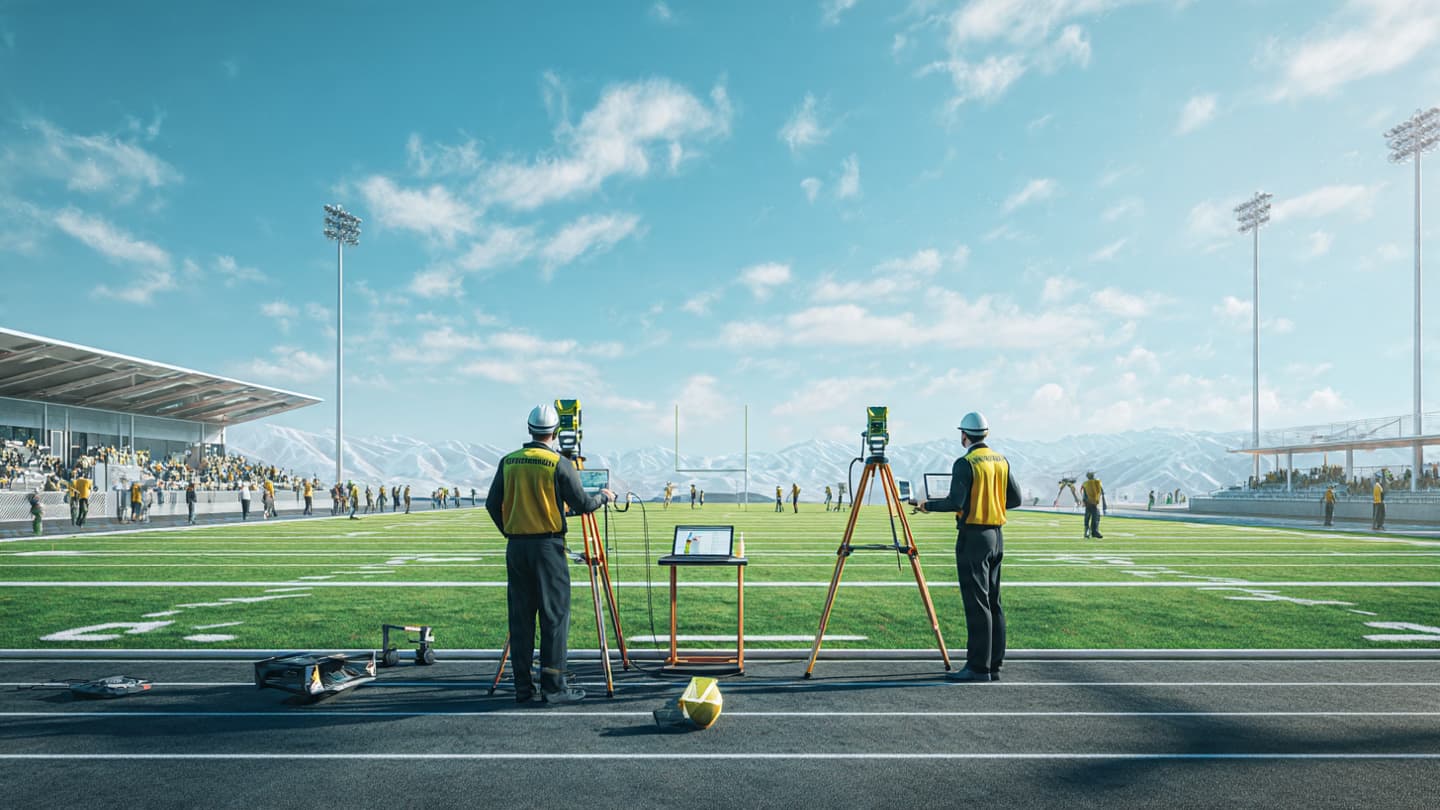
AI Image Disclaimer: This article includes an AI-generated illustration created for visual support and not as a depiction of a specific sporting event.
Source Verification Check: ISEA Conference, PR Newswire, Sports Engineering Journal, Reuters, International Sports Engineering Association
Note: This article was published on BanxChange.com and is powered by the BXE Token on the XRP Ledger. For the latest articles and news, please visit BanxChange.com