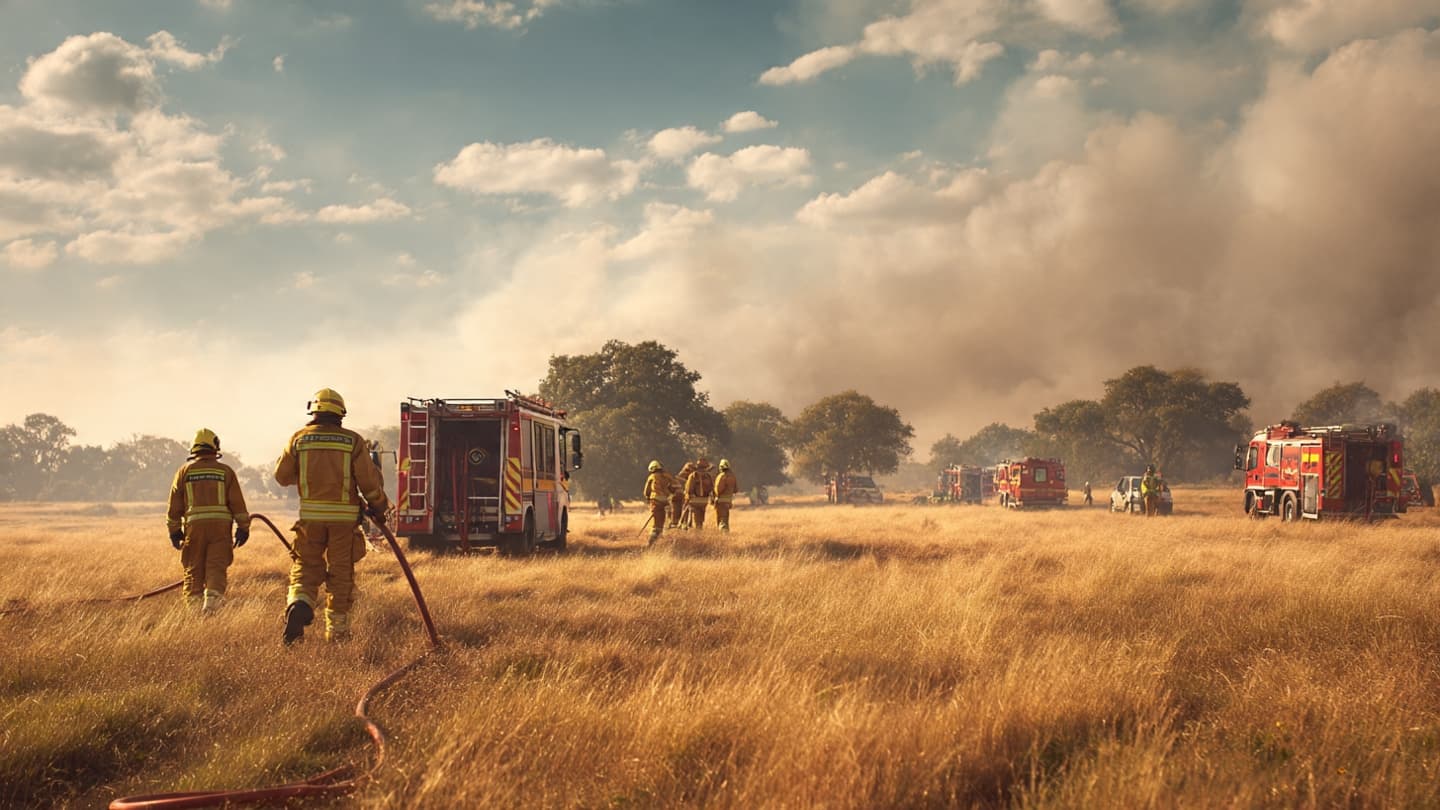
The British summer has carried an unusual brightness this year, but beneath the sunlight lies a landscape that has become increasingly dry. On August 13, as temperatures reached the highest level recorded in Britain so far this year, firefighters were working across central England to contain multiple wildfires.
The fires developed during Britain's fifth heatwave of 2026, a period that has brought intense temperatures and worsening drought conditions. The Associated Press reported that firefighters were tackling several fires in central England as the country recorded temperatures of 38.1°C in London. Homes were damaged, while one child and three firefighters were hospitalized in connection with the fires.
The West Midlands was among the areas facing particularly serious fire activity. Authorities described some of the incidents as among the most significant the region had experienced, placing pressure on local emergency crews. Dry vegetation provided fuel, while high temperatures and weather conditions created an environment in which flames could spread quickly.
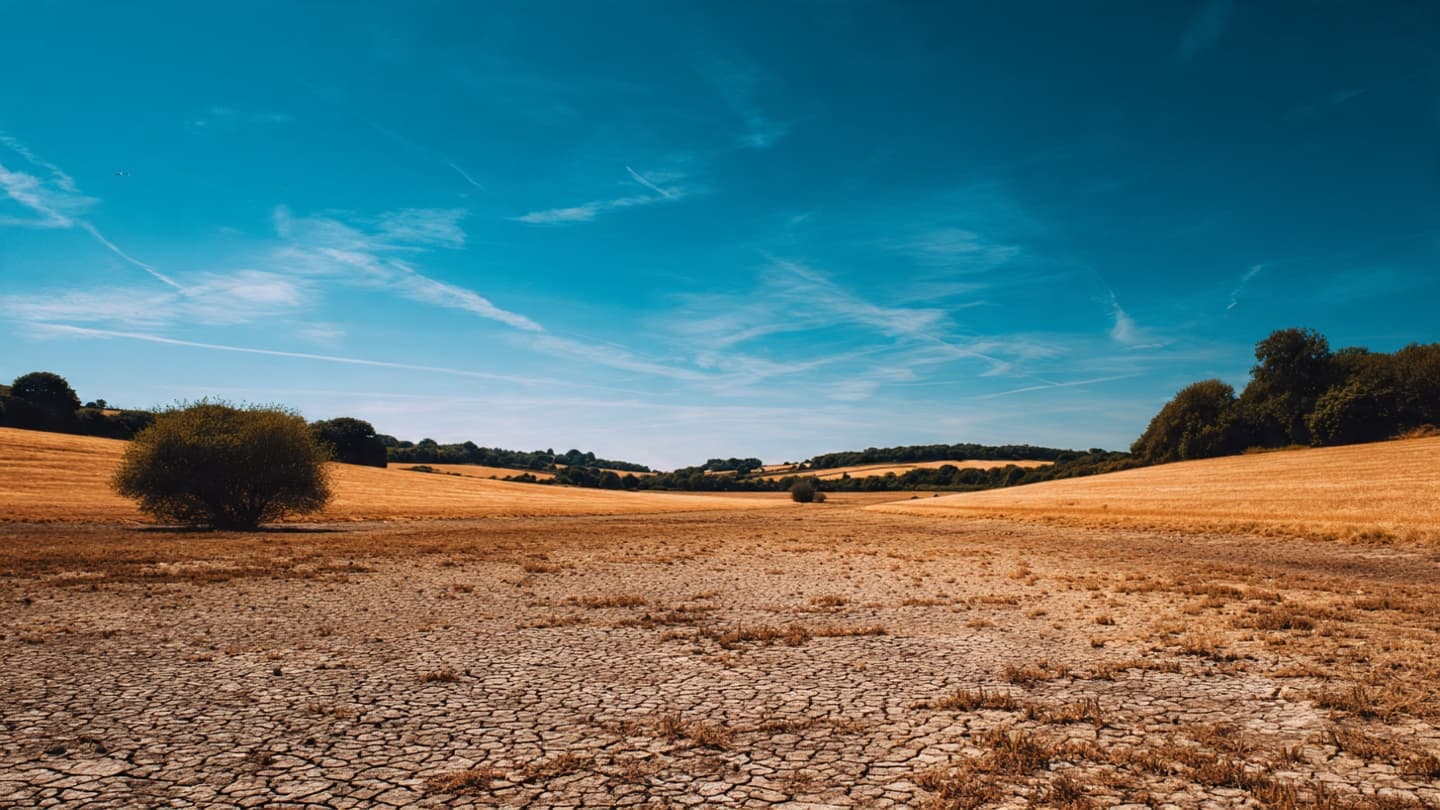
The fires were not occurring in isolation. Almost three-quarters of England had entered drought conditions by August 10, according to British government figures reported by Reuters. Low rainfall and elevated temperatures have combined to leave grasslands, vegetation and agricultural areas unusually dry for this time of year.
For firefighters, dry conditions can transform the character of a fire. Vegetation that might normally contain or slow flames can burn more readily, while wind can carry embers beyond the main fire front. Emergency crews therefore have to consider not only where flames are visible but also how quickly conditions could change.
The pressure on emergency services also comes during a period when heat itself can create health risks. Firefighters working near flames must operate in protective equipment that can become especially difficult to wear during extreme temperatures. Long periods of physical exertion under intense heat add another challenge to already demanding conditions.
Communities near affected areas have faced disruption as well. Fires can damage homes, threaten roads and create smoke that reduces air quality. Even when flames remain outside densely populated areas, the possibility of evacuation can alter the normal rhythm of communities within a short period.
The wider European picture has been similarly unsettled. France, Greece and other parts of Europe have experienced major wildfires during a summer marked by heat and drought. Reuters has reported that extreme heat and dry conditions are increasingly affecting agriculture, water systems and economic activity across the continent.
Scientists and weather agencies have increasingly linked the growing frequency and intensity of extreme heat to a warming climate. The World Meteorological Organization has said periods of extreme heat are becoming more frequent, more intense and longer-lasting. Such conditions can increase the likelihood of compound risks, where drought, heat and wildfire occur together.
Britain's latest fires therefore form part of a broader summer pattern rather than a single isolated event. Firefighters continue to respond to individual incidents while authorities monitor weather, vegetation and water conditions. The immediate priority remains protecting communities and containing fires, while the longer-term challenge is adapting emergency planning and infrastructure to a climate in which extreme heat is becoming more familiar.
Image Disclaimer These AI-generated illustrations are provided for conceptual visualization only and do not depict real wildfire scenes from Britain.
Sources Associated Press Reuters Met Office UK Government BBC The Guardian Environment Agency
Note: This article was published on BanxChange.com and is powered by the BXE Token on the XRP Ledger. For the latest articles and news, please visit BanxChange.com