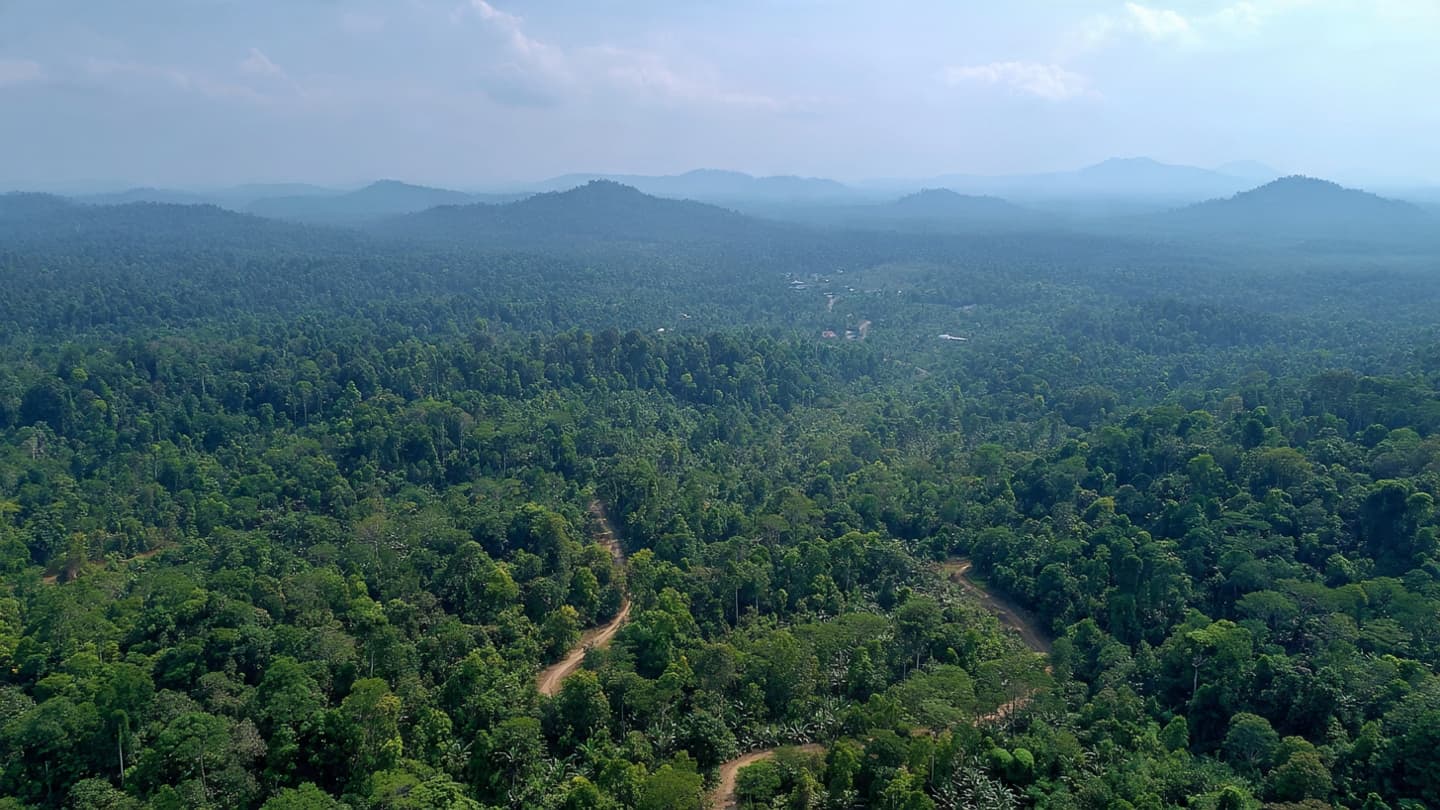
Across Kalimantan, the forest stretches beneath a broad tropical sky, broken by rivers, plantations, roads and settlements that have grown around the island’s dense interior. During the dry season, the landscape can change quietly. Moisture retreats from the ground, vegetation becomes more fragile, and distant points of smoke begin to matter.
That change has drawn renewed attention from Indonesian authorities. The country is prioritizing efforts to tackle wildfires in Kalimantan after a rise in hotspots was detected across the region, according to Indonesia’s disaster agency. Reuters reported the development on August 21.
Kalimantan occupies the Indonesian portion of Borneo, an island shared with Malaysia and Brunei. Its forests and peatlands form an important part of the region’s ecological landscape, while the province also contains large areas used for agriculture, plantations, mining and other economic activity.
The recent increase in hotspots comes after a particularly severe month for fires elsewhere in Indonesia. Forestry authorities said nearly 95,000 hectares of land were damaged by wildfires in July alone, almost twice the area recorded during the previous six months combined.
The figures give the current situation a wider context. Fire does not always remain where it begins, and smoke can travel across administrative boundaries and national borders depending on wind conditions. For communities living near affected areas, the first indication of a fire may therefore be a change in the color of the horizon or a faint layer of haze over roads and settlements.
Kalimantan’s geography also makes early detection important. Large distances separate many communities and forest areas, while difficult terrain can complicate access for firefighting teams. Authorities therefore rely on a combination of satellite observations, ground monitoring and local response networks to identify areas where fires may be developing.
The rise in hotspots is being watched alongside changing weather conditions. Indonesia's forestry minister previously attributed the sharp increase in July fire damage to intensifying El Niño conditions, which can contribute to hotter and drier weather.
For the moment, the response is focused on prevention and containment rather than allowing individual fires to develop into larger regional events. The priority given to Kalimantan reflects the need to act while hotspots remain identifiable and before changing weather conditions make firefighting more difficult.
The forest remains largely quiet from the ground, even when satellites reveal dozens of points of concern from above. That difference between what is visible in daily life and what can be observed from space has become an important part of modern wildfire monitoring.
Indonesian authorities are now giving Kalimantan priority as hotspot numbers rise, while continuing to monitor fire conditions across the country. The coming weeks will show whether early intervention can contain the latest increase as Indonesia moves through another period of heightened wildfire risk.
AI Image Disclaimer The accompanying visuals are AI-generated conceptual illustrations and should not be mistaken for photographs of actual wildfire locations.
Sources Reuters
Note: This article was published on BanxChange.com and is powered by the BXE Token on the XRP Ledger. For the latest articles and news, please visit BanxChange.com