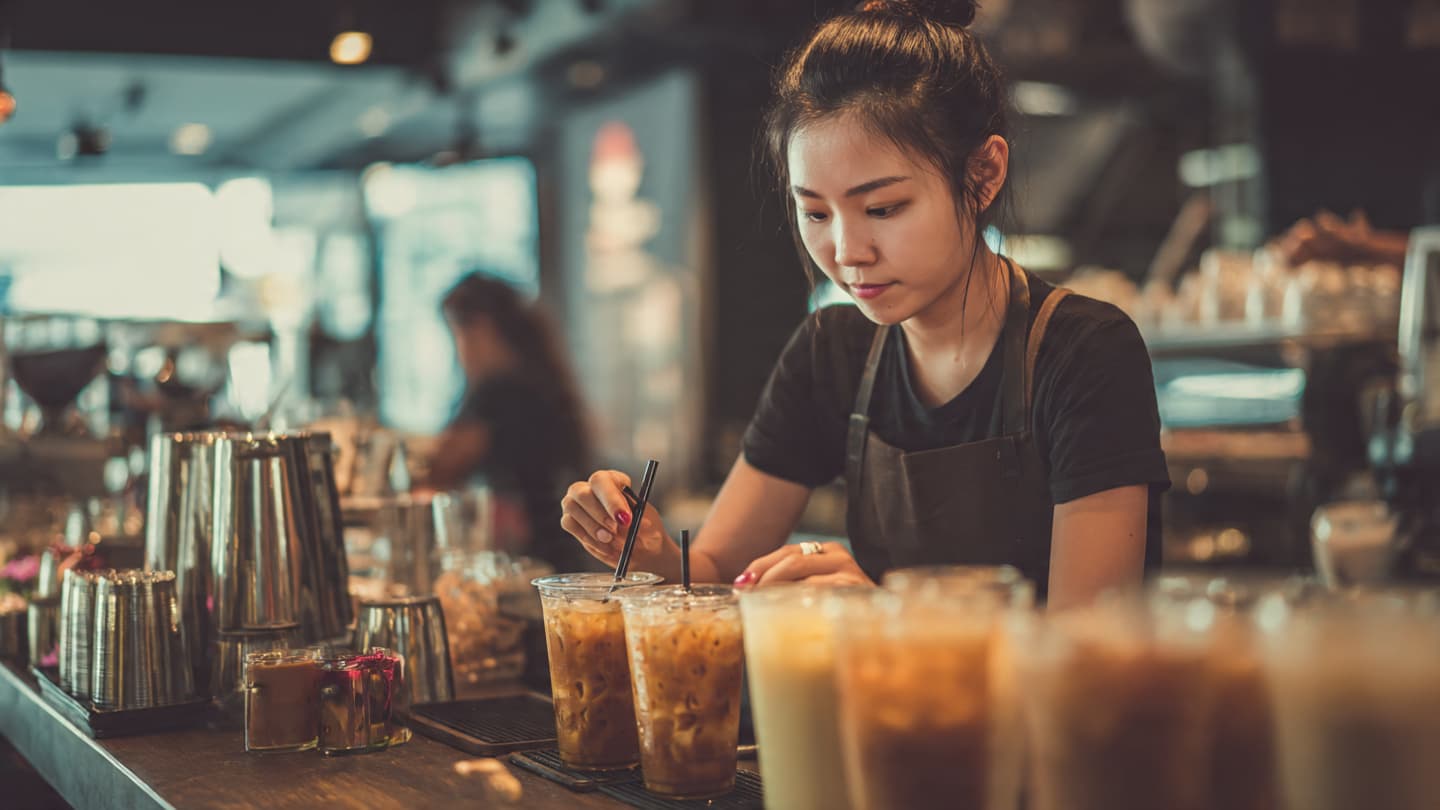
The first sip of coffee in Thailand rarely arrives alone. It comes with afternoon heat, traffic drifting through open storefronts, conversations beneath fluorescent café lights, and the lingering sweetness long associated with comfort in modern city life. Now, quietly and without dramatic announcement, that sweetness is beginning to change.
Several major coffee chains in Thailand have agreed to reduce standard sugar content in beverages by half as part of broader national health initiatives targeting excessive sugar consumption. The agreement reflects growing cooperation between public health authorities and private businesses seeking gradual adjustments rather than sudden restrictions on consumer habits.
Participating chains are expected to modify default sweetness levels in popular drinks while still allowing customers to request additional sugar if desired. Officials supporting the initiative say the strategy focuses on changing long-term consumption patterns subtly enough to avoid strong public resistance.
Thailand’s urban café culture has expanded rapidly over the past decade, with sweetened coffees becoming especially popular among office workers, students, and younger consumers. Iced lattes, blended beverages, and flavored drinks often contain high sugar levels, contributing to broader concerns over obesity and diabetes rates nationwide.
Health agencies say reducing default sugar content may influence daily intake more effectively than relying entirely on consumer self-control. Studies in several countries suggest many customers continue consuming products at adjusted sweetness levels once gradual changes become normalized across major brands.
For coffee chains, the agreement also reflects shifting market trends. Health-conscious consumers in Bangkok and other urban centers increasingly seek customizable drinks, alternative sweeteners, and lower-calorie options. Cafés promoting lighter menus and wellness-oriented branding have become more visible across shopping districts and commercial neighborhoods.
Still, sweetness remains deeply tied to Thailand’s food and beverage traditions. Condensed milk coffees, sweet teas, and sugary desserts continue carrying emotional associations linked to hospitality, routine, and tropical comfort. Some café owners worry rapid changes could affect customer satisfaction, particularly among older consumers accustomed to richer flavors.
Nutrition advocates supporting the agreement argue the measure represents a practical compromise between public health goals and cultural realities. Rather than banning products outright, authorities appear focused on gradual recalibration of everyday habits through cooperation with industry leaders.
The decision also arrives amid broader regional discussions across Asia regarding rising healthcare burdens associated with diet-related illnesses. Governments throughout the region have increasingly explored sugar taxes, nutritional education campaigns, and voluntary industry partnerships aimed at reducing long-term medical costs.
Inside Thailand’s cafés, however, the transition may appear almost invisible at first. Drinks will still arrive cold beneath humid afternoon skies, baristas will still move quickly through crowded counters, and conversations will continue unfolding over coffee cups. Only the sweetness, little by little, may begin softening into something quieter.
Thai health officials say they hope the initiative will encourage wider participation from restaurants and beverage companies seeking healthier standards across the country’s food industry.
Published by Banx Network. This article is part of the Banx decentralized media programme, powered by the BXE token on the XRP Ledger.