
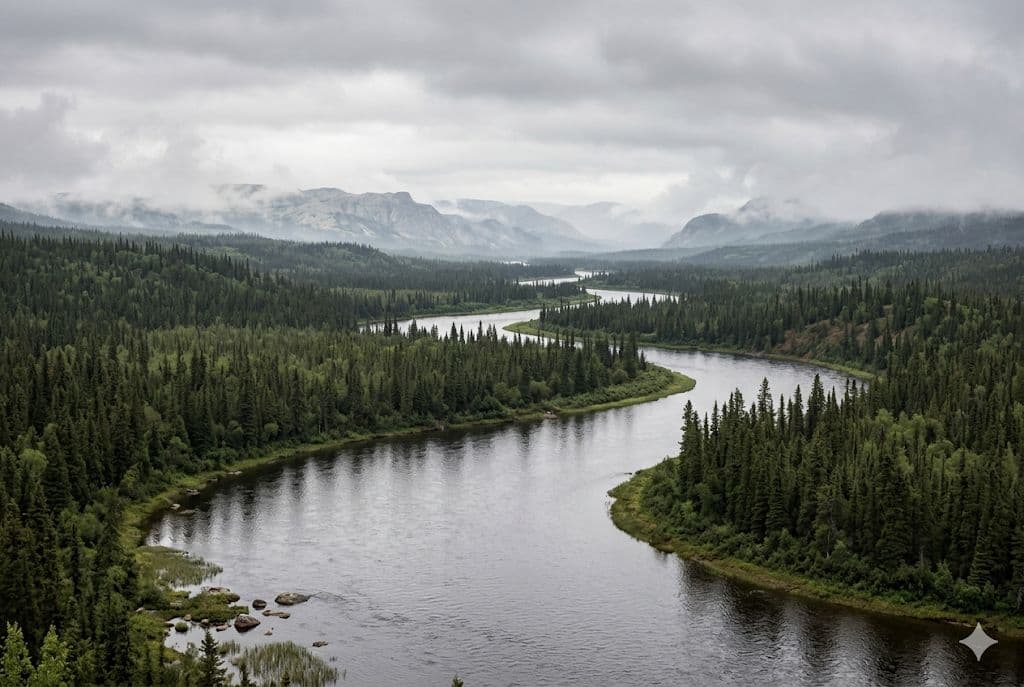
The pristine rivers and streams feeding into the broader Siberian watershed have long been recognized as some of the most critical freshwater ecosystems in the northern hemisphere, sustaining unique aquatic life and providing drinking water to remote settlements. These fragile waterways run parallel to major industrial developments in the Irkutsk region, creating a permanent structural tension between natural preservation and economic output. The survival of these aquatic habitats relies entirely on the perfect execution of wastewater treatment protocols and the secure maintenance of chemical storage tailing ponds.
That delicate ecological protection was severely breached when a primary holding reservoir at an industrial chemical plant suffered an underground structural failure, allowing toxic runoff to escape into a nearby river. The breach occurred during a period of high production volume, sending thousands of liters of untreated industrial wastewater laced with heavy metals and chemical processing agents directly into the clean current. The sudden influx of contaminants produced a distinctive discoloration of the water, alert locals and launching an immediate environmental crisis.
Regional environmental protection officials immediately sounded the alarm, issuing critical warnings that prohibited residents from using the river water for drinking, fishing, or livestock irrigation across multiple downriver communities. The toxic plume traveled steadily with the current, turning a vibrant natural resource into a moving hazard zone that threatened the biological stability of the entire valley. The news caused immediate anxiety in the riverside villages, where families have depended on the river's purity for generations.
Specialized environmental clean-up crews and hazardous material units were deployed to the site, moving rapidly to construct floating absorbent booms and earthen containment dams at key bends in the river. The responders faced an exceptionally difficult task, as neutralizing liquid chemical agents within a moving body of water requires precise scientific interventions to avoid causing secondary ecological damage. Teams worked from small boats and muddy banks, their scientific equipment cutting a contrast against the wilderness as they monitored the density of the toxic front.
By the second day of the emergency, wildlife protection officers confirmed significant localized damage to local fish populations, with dead specimens washing ashore along the contaminated banks. The long-term impact on the river's delicate food web remains a source of deep concern for regional biologists, who fear that heavy metals could settle into the riverbed sediment for years to come. The incident has transformed a quiet natural sanctuary into a heavily monitored ecological crime scene, drawing intense scrutiny from national conservation organizations.
Technical investigators have sealed the facility's wastewater division, initiating a thorough examination of the reservoir's concrete liners and the plant's internal monitoring systems. Preliminary findings indicate that a slow-moving structural crack along the base of the holding pond had gone unnoticed during routine maintenance inspections, eventually yielding under the pressure of the seasonal waste volume. The failure has led to immediate legal action by regional prosecutors, who have launched a criminal inquiry into potential environmental negligence by the plant's operators.
The financial penalties and clean-up costs for the manufacturing company are expected to be immense, alongside the mandatory suspension of all production lines until the containment infrastructure is completely rebuilt and certified safe. This ecological disaster highlights a persistent challenge faced by rapid industrial corridors, where the legacy of heavy manufacturing often directly threatens the surrounding natural environment. The story of the Irkutsk contamination is a somber reminder of the fragile boundaries that separate industrial progress from ecological ruin.
As the late afternoon sun cast cold shadows across the stained water of the river, the defensive operations continued without interruption along the banks. The chemical plume will eventually disperse as it moves into larger lake systems, but the hidden ecological damage will require years of constant monitoring and remediation. The memory of the leak will remain as a powerful warning of the absolute vigilance required to protect the irreplaceable natural resources of the Siberian wilderness.
Note: This article was published on BanxChange.com and is powered by the BXE Token on the XRP Ledger. For the latest articles and news, please visit BanxChange.com