
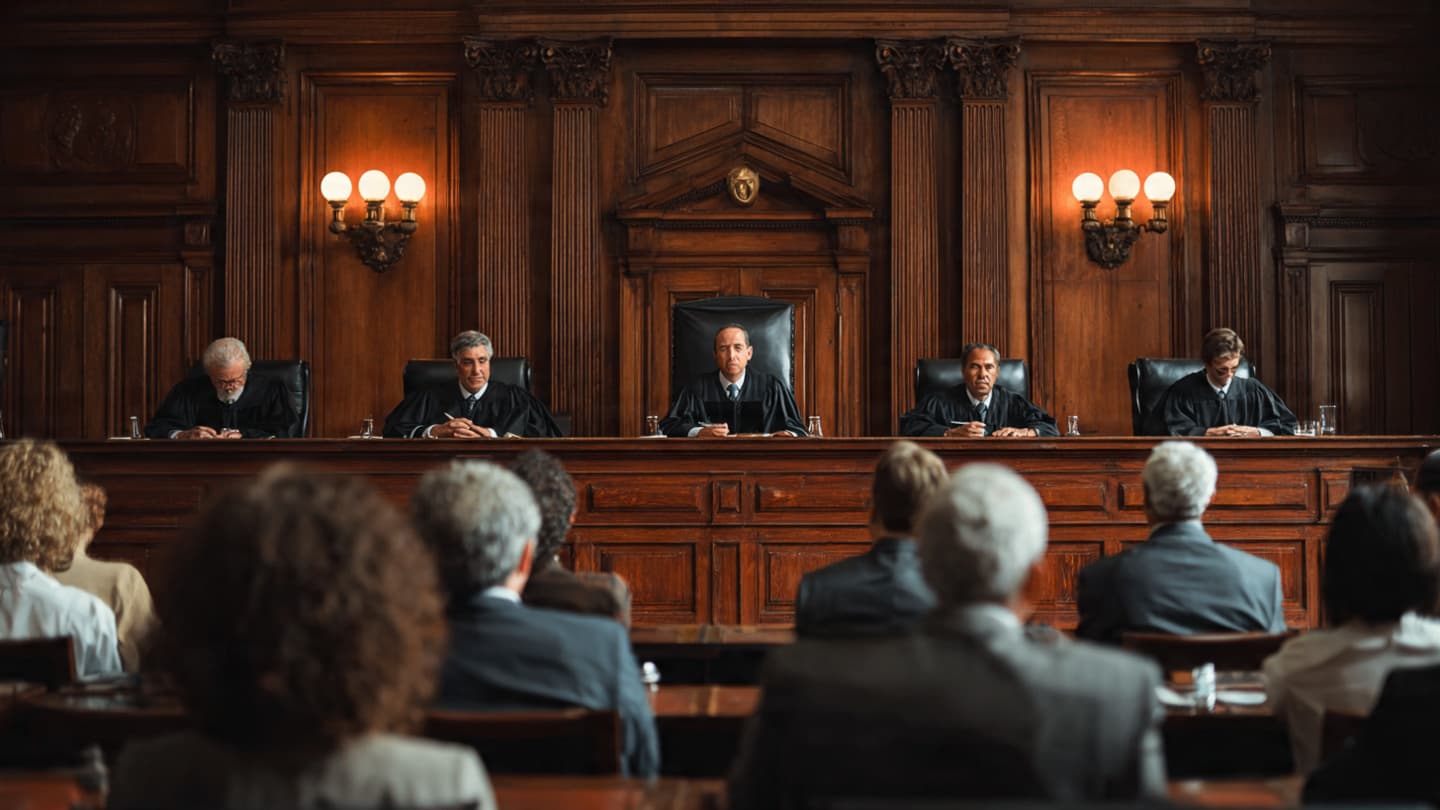
Courtrooms often move with a quiet rhythm that contrasts sharply with the emotions surrounding them. Evidence is introduced carefully, testimony unfolds in measured language, and ordinary details can gradually acquire extraordinary weight. In Utah, jurors examining the case involving Kouri Richins ultimately concluded that the mother and author was responsible for the death at the center of a closely watched criminal trial.
The case drew national attention because of both the allegations and Richins’ public profile following her husband’s death. Prosecutors argued that financial pressures, personal conflicts, and access to substances formed part of a broader pattern pointing toward intentional wrongdoing.
During the trial, jurors heard testimony regarding forensic evidence, digital communications, financial records, and witness accounts connected to the investigation. Prosecutors attempted to build a narrative showing that the death was not accidental, while defense attorneys challenged both the interpretation of evidence and the reliability of conclusions presented in court.
Legal analysts noted that many criminal trials involving circumstantial evidence depend heavily on how jurors connect separate pieces of information. Individual details may appear limited in isolation, but together they can shape a persuasive narrative about motive, opportunity, and intent.
The proceedings also highlighted the growing public fascination with true-crime cases involving seemingly ordinary domestic lives disrupted by allegations of violence. Media coverage intensified interest in the trial, particularly because Richins had publicly discussed grief and family life following her husband’s death.
Defense attorneys maintained that prosecutors relied too heavily on assumptions and interpretations rather than direct proof. They argued that inconsistencies and unanswered questions remained throughout the investigation. Prosecutors, however, told jurors that the combined evidence painted a consistent picture supporting guilt.
Observers noted that jury deliberations reflected the seriousness of the decision before them. Criminal convictions require jurors to examine evidence carefully while balancing legal standards with human judgment under intense public scrutiny.
Following the verdict, authorities and legal representatives acknowledged that appeals and additional legal proceedings may continue. The case remains a reminder of how criminal trials often unfold not through dramatic moments alone, but through gradual examination of evidence, credibility, and competing narratives presented before a jury.
AI Image Disclaimer: Some visuals associated with this article were AI-generated to illustrate courtroom environments and legal proceedings.
Sources: Associated Press, CNN, NBC News, Reuters
Note: This article was published on BanxChange.com and is powered by the BXE Token on the XRP Ledger. For the latest articles and news, please visit BanxChange.com