
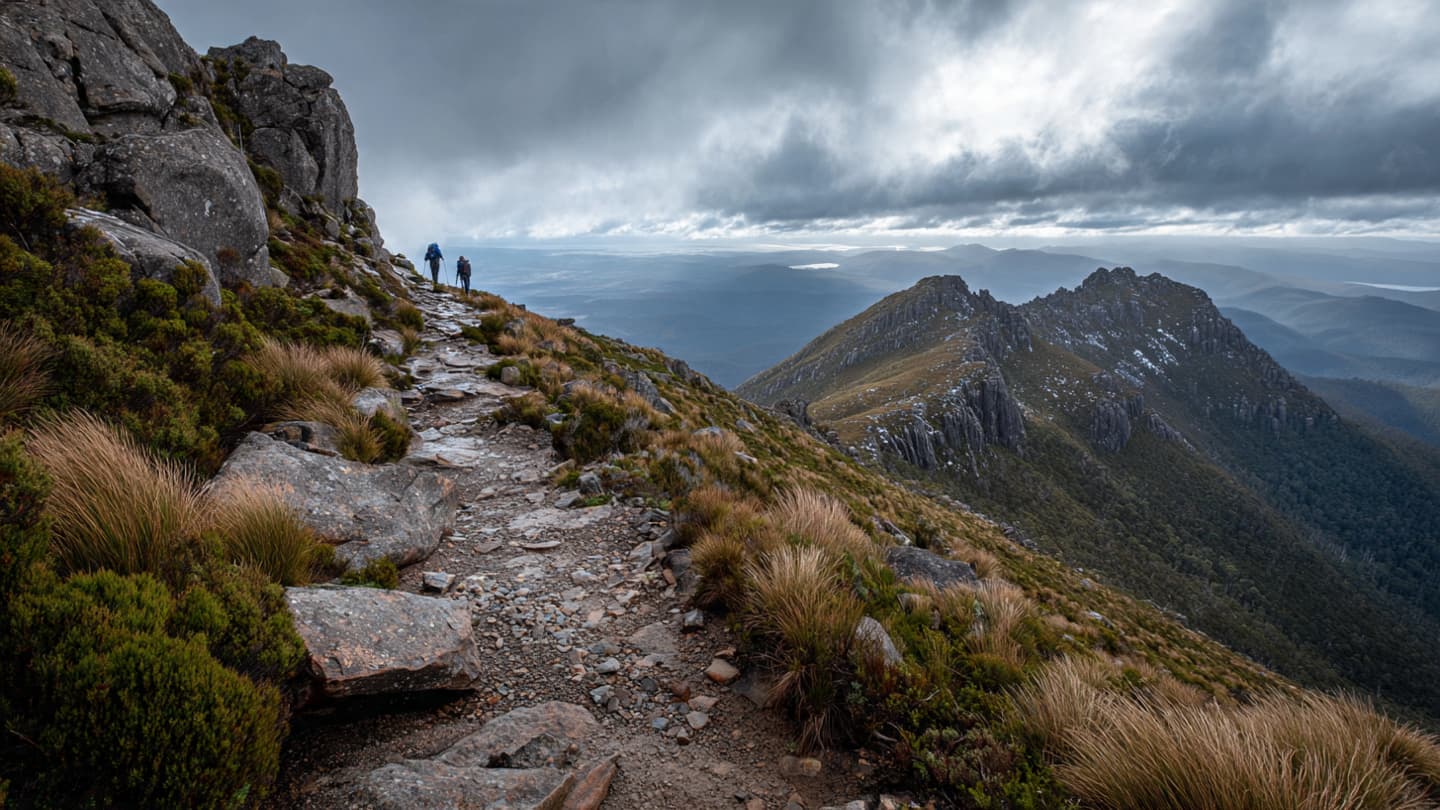
Photographs often freeze only the gentlest moments of a landscape. A mountain ridge beneath clear skies can appear calm and inviting, even when the terrain itself carries significant danger beyond the frame. In Tasmania’s Western Arthur Range Traverse, discussion recently emerged after a Tourism Australia Instagram post was criticized for presenting a journey that many experienced hikers consider among the country’s most demanding wilderness routes.
The Western Arthur Range is widely recognized for rugged conditions, steep terrain, and rapidly changing weather patterns. Outdoor specialists and seasoned trekkers frequently describe the traverse as physically and mentally challenging, requiring advanced preparation, navigation skills, and suitable equipment. Concerns arose that highly polished imagery shared online may not fully communicate those realities to inexperienced travelers.
Social media has become a powerful force within global tourism promotion. Destinations once known primarily to niche adventure communities now reach millions of viewers through carefully curated photographs and short videos. While such exposure can support tourism economies, it also raises questions about how risk and environmental responsibility should be communicated.
Tasmania’s wilderness areas attract hikers seeking isolation, dramatic scenery, and challenging terrain. However, rescue agencies regularly remind visitors that weather conditions can shift rapidly even during favorable seasons. Rain, strong winds, slippery surfaces, and limited communication access can complicate emergencies in remote regions like the Western Arthur Range.
Experienced hikers responding to the online discussion emphasized that the route is not suitable for casual tourists without extensive planning. Many noted that official hiking advisories, route research, and physical conditioning are essential before attempting the traverse. Outdoor safety organizations similarly encourage travelers to understand terrain difficulty rather than relying solely on visual impressions from promotional content.
The broader debate reflects a growing tension within modern tourism marketing. Scenic imagery naturally aims to inspire travel, yet remote environments also demand realistic communication regarding safety and environmental impact. Authorities across several countries increasingly encourage balanced messaging that combines visual appeal with practical guidance for visitors.
Environmental groups additionally stress the importance of protecting fragile wilderness ecosystems from overcrowding and unprepared tourism. Popular online exposure can increase foot traffic in sensitive areas, potentially affecting trails, vegetation, and rescue resources. Sustainable tourism strategies therefore remain an important part of ongoing discussions surrounding remote destinations.
Tourism Australia has not suggested that the route is without difficulty, though public reactions highlighted concerns about how audiences interpret visually appealing content online. Outdoor experts continue encouraging travelers to approach Tasmania’s wilderness with preparation, caution, and respect for conditions that can change quickly beyond the camera’s view.
AI Image Disclaimer: Some images accompanying this article were digitally generated using AI to represent Tasmania’s remote mountain landscapes and hiking environments.
Sources: ABC Australia, The Guardian Australia, Tourism Australia, Outdoor Adventure Australia
Note: This article was published on BanxChange.com and is powered by the BXE Token on the XRP Ledger. For the latest articles and news, please visit BanxChange.com