The Moon often appears serene from Earth, glowing softly against the darkness as though untouched by conflict or instability. Yet beneath that calm appearance lies an environment shaped by punishing temperature swings, abrasive dust, radiation exposure, and long periods of isolation. As nations and private companies prepare for new lunar missions, engineers are increasingly focused on recreating those harsh conditions here on Earth.
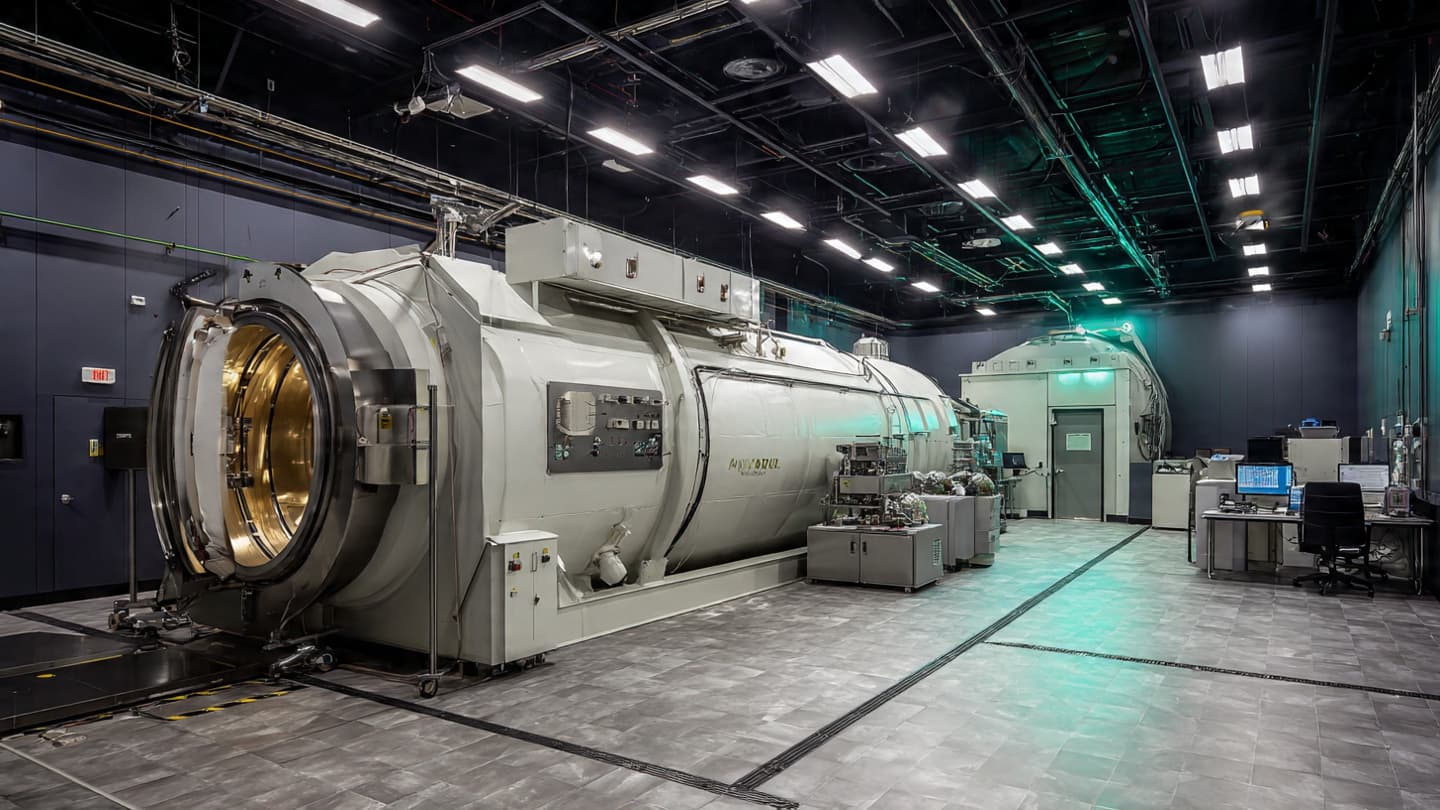
Researchers developing lunar technologies say standard laboratory testing is no longer sufficient for the ambitions of modern exploration. Missions planned for the coming decade involve extended surface operations, robotic systems, and eventually human habitation. To prepare for those challenges, specialized “test rigs” are being designed to simulate the extreme realities of the lunar environment with greater accuracy.
These testing systems can reproduce dramatic temperature fluctuations that occur between lunar day and night. On the Moon, surface temperatures can rise above boiling conditions in sunlight before plunging far below freezing in darkness. Such instability places enormous stress on machinery, electronics, and structural materials.
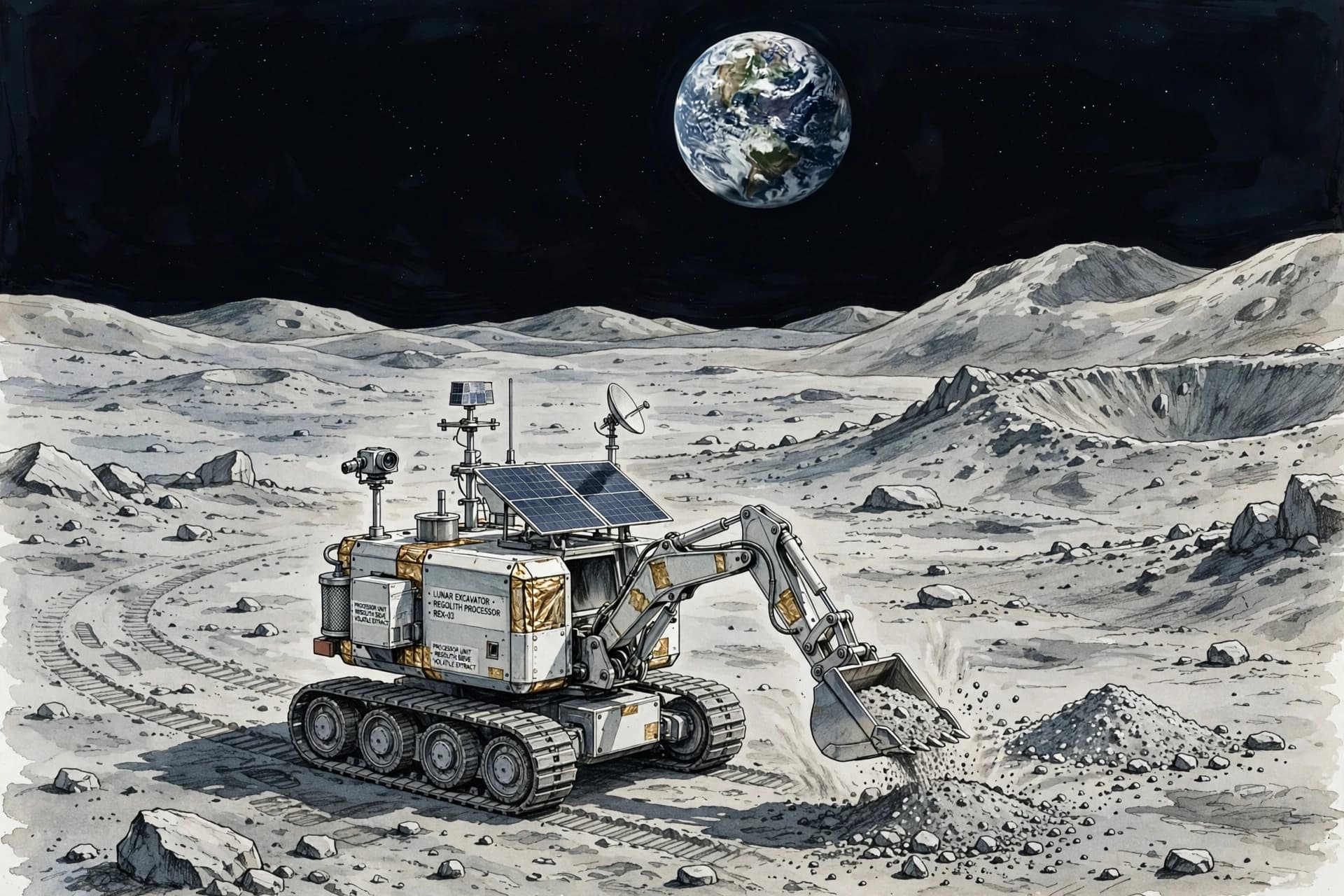
Engineers are also attempting to simulate lunar dust, known as regolith, which has long been considered one of the Moon’s most difficult hazards. Unlike Earth’s weathered sand particles, lunar dust is sharp and abrasive due to the absence of wind and water erosion. During the Apollo missions, astronauts reported that the dust clung to equipment and spacesuits while causing mechanical wear.
The development of advanced testing facilities has become especially important as lunar exploration expands beyond short-term missions. NASA’s Artemis program, alongside initiatives from China, Europe, and private aerospace firms, seeks to establish a more sustained presence near the Moon’s south pole. That region may contain water ice reserves capable of supporting future exploration activities.
Modern test rigs are therefore being built not only for survival testing but also for operational realism. Some facilities combine vacuum chambers, radiation simulation, mobility testing, and robotic interaction within a single environment. Researchers say this integrated approach helps reveal weaknesses that isolated tests might overlook.
There is also growing recognition that failures on the Moon can carry far greater consequences than problems encountered in low Earth orbit. Repair opportunities are limited, supply chains are distant, and communication delays complicate decision-making. Thorough ground testing becomes essential when missions may operate hundreds of thousands of miles from Earth.
As agencies continue refining technologies for future lunar exploration, engineers say the demanding nature of the Moon itself is shaping innovation. The quiet gray surface that appears peaceful from Earth remains one of the harshest environments humans have ever attempted to enter, and preparing for it increasingly begins inside carefully engineered chambers built to imitate its extremes.
AI Image Disclaimer: Several visuals related to this article were digitally generated with AI assistance for illustrative purposes.
Sources Verified: NASA, European Space Agency (ESA), IEEE Spectrum, Space.com, Ars Technica
Published by Banx Network. This article is part of the Banx decentralized media programme, powered by the BXE token on the XRP Ledger.