
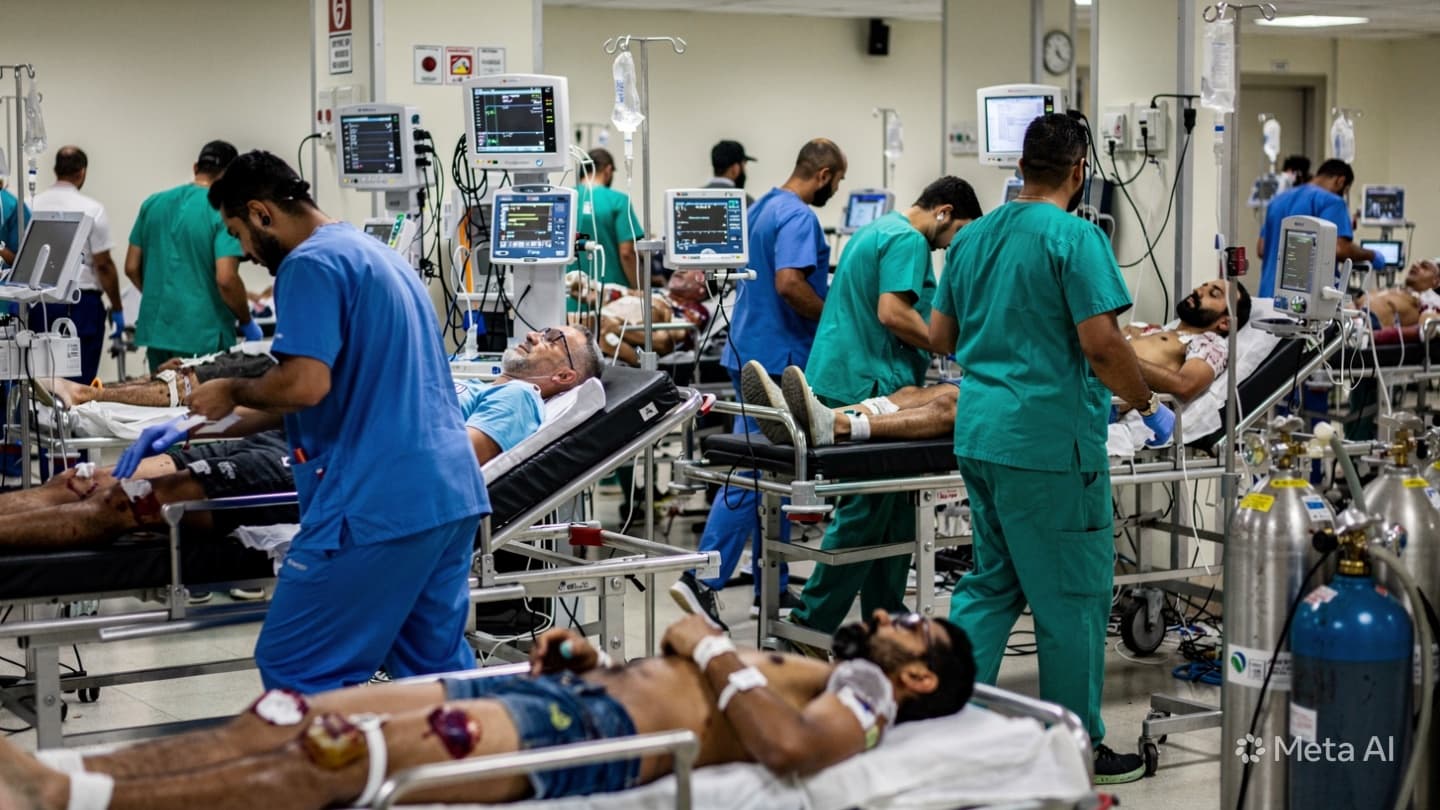
Key Highlights
- Casualties:465 civilians injured in recent attacks.
- Medical Crisis:Hospitals overwhelmed with trauma patients.
- Infrastructure Damage:Power outages and destruction of civilian areas.
Manama, Bahrain—The medical system in Bahrain reached a breaking point on July 7 as the number of injured civilians climbed to 465. This surge in casualties follows a relentless series of drone and missile strikes that targeted densely populated districts, overwhelming hospitals and medical facilities across the capital. Surgeons have been operating in shifts since the first explosions rattled the city early that morning, with the lobby of the main government hospital converted into a triage center to manage the influx of trauma patients. Supplies of blood and surgical gear are beginning to run critically low, raising concerns about the ability to treat the injured effectively.
In response to the escalating violence, government ministers have addressed the United Nations, demanding an immediate end to the hostilities. The total count of injured has surpassed all previous records since the conflict began earlier this year, with authorities claiming that most of the strikes were aimed at civilian infrastructure rather than military assets. This alarming trend has raised international concerns about the humanitarian implications of the ongoing conflict.
Public infrastructure has taken a massive blow, with power lines severed in several sectors, leaving neighborhoods in darkness as rescue teams navigate the chaos. Thousands of residents have fled their homes, seeking refuge in inland shelters as the situation deteriorates. The government has implemented emergency measures to maintain order, erecting checkpoints at all major intersections, which has slowed civilian traffic to a crawl. The atmosphere in the city is defined by the constant wail of sirens and the presence of security forces.
Military commanders reported intercepting a large portion of the incoming missiles and drones, but the sheer volume of debris caused significant secondary injuries on the ground. Shrapnel and falling metal have torn through residential roofs and shattered shop fronts throughout the city center, exacerbating the already dire situation for civilians. The impact of these attacks has left many families in fear for their safety and uncertain about their future.
International aid groups have begun sending teams to assess the humanitarian impact of the ongoing violence. Their current focus is on restoring electricity and securing the water supply for the displaced population. However, the scope of the reconstruction task remains unknown, as the attacks show no signs of stopping. The urgency of the situation is compounded by the lack of resources and the overwhelming number of injured individuals requiring medical attention.
State authorities remain locked in defensive postures as they await further intelligence on the next wave of attacks. The streets are largely empty, save for security patrols and vehicles ferrying the injured to overflowing clinics. The situation remains unresolved and highly unstable for everyone living in the region, with the potential for further escalation looming on the horizon. As the international community watches closely, the people of Bahrain continue to endure the consequences of a conflict that shows no signs of abating.
Published by Banx Network. This article is part of the Banx decentralized media programme, powered by the BXE token on the XRP Ledger.



