In the coastal city of Pattaya, Thailand, a story of tourism and tragedy has unfolded with chilling clarity. Australian national Simon Carman stands accused of murdering 17-year-old Tunchanok Donhomla, whose body was discovered in a suitcase near railway tracks. Recently, Thai police released autopsy details confirming that the teenager died from suffocation. This revelation adds a grim layer to the case, providing forensic evidence to support the charges against Carman.
The autopsy, conducted in Bangkok, revealed no signs of other fatal injuries, pointing to suffocation as the primary cause of death. This finding aligns with witness accounts and digital evidence, including text messages allegedly sent by Carman prior to the incident. The detailed report serves as a crucial piece of the puzzle, helping investigators reconstruct the final hours of Tunchanok’s life and the actions of the accused.
Carman, a Western Australian with a known history to local police, has claimed self-defense in some reports, though the forensic evidence suggests a different narrative. The discovery of the body in a suitcase indicates an attempt to conceal the crime, adding premeditation to the allegations. The case has drawn significant media attention in both Australia and Thailand, highlighting the vulnerabilities faced by young people in tourist destinations.
For Tunchanok’s family, the release of the autopsy details is a painful but necessary step toward justice. They have called for the maximum penalty, including the death penalty, if Carman is convicted. Their grief is compounded by the brutal nature of the crime and the public scrutiny that follows. Support networks have rallied around them, offering comfort and advocacy as they navigate the legal system.
The Thai judicial process is now underway, with Carman facing serious charges that could result in life imprisonment or capital punishment. The case underscores the strict laws governing violent crimes in Thailand and the seriousness with which authorities treat offenses against foreigners and locals alike. International cooperation between Thai and Australian authorities has facilitated the investigation, ensuring that evidence is handled according to legal standards.
This tragedy has also sparked discussions about safety for sex workers and young women in tourist hubs. Advocacy groups are calling for better protection measures and stricter regulation of interactions between tourists and locals. The case serves as a cautionary tale, urging travelers to respect local laws and cultures, and reminding communities to remain vigilant against exploitation.
As the trial approaches, the focus remains on accountability. The autopsy results provide a scientific basis for the prosecution’s case, countering any claims of accidental death. The legal proceedings will be closely watched, not just for the outcome but for the message it sends about justice and human rights. For Tunchanok, it is a final affirmation of her dignity and the value of her life.
The story of Simon Carman and Tunchanok Donhomla is a stark reminder of the dark side of travel and the fragility of life. It calls for reflection on how societies protect their most vulnerable members and how justice is served across borders. As the legal process unfolds, the hope is that truth will prevail, offering some measure of closure to a grieving family and a shocked community.
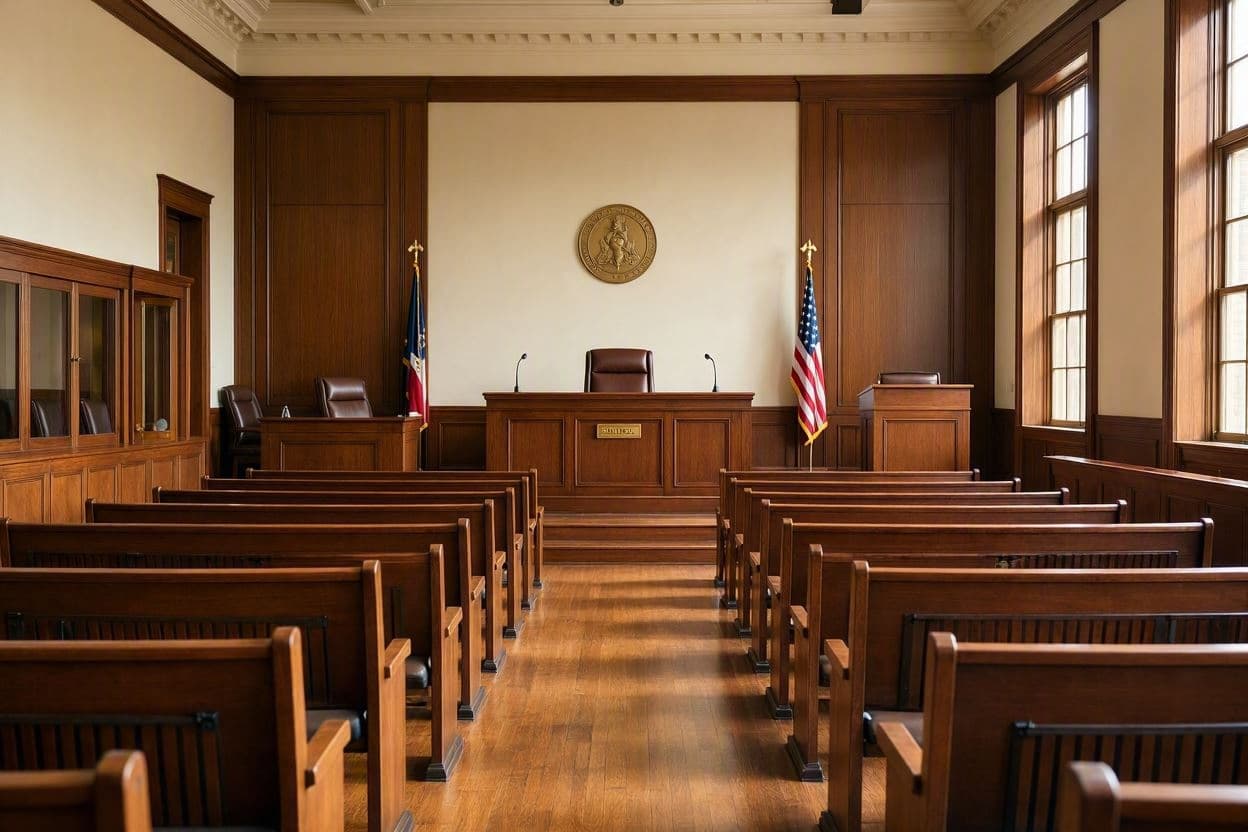
AI Image Disclaimer: Visuals in this article are AI-generated illustrations of courtroom settings and symbolic representations of justice, designed to reflect the themes of the legal case without depicting real individuals or graphic content.
Sources: ABC News Australia, RNZ (Radio New Zealand), News.com.au, NZ Herald
Note: This article was published on BanxChange.com and is powered by the BXE Token on the XRP Ledger. For the latest articles and news, please visit BanxChange.com