
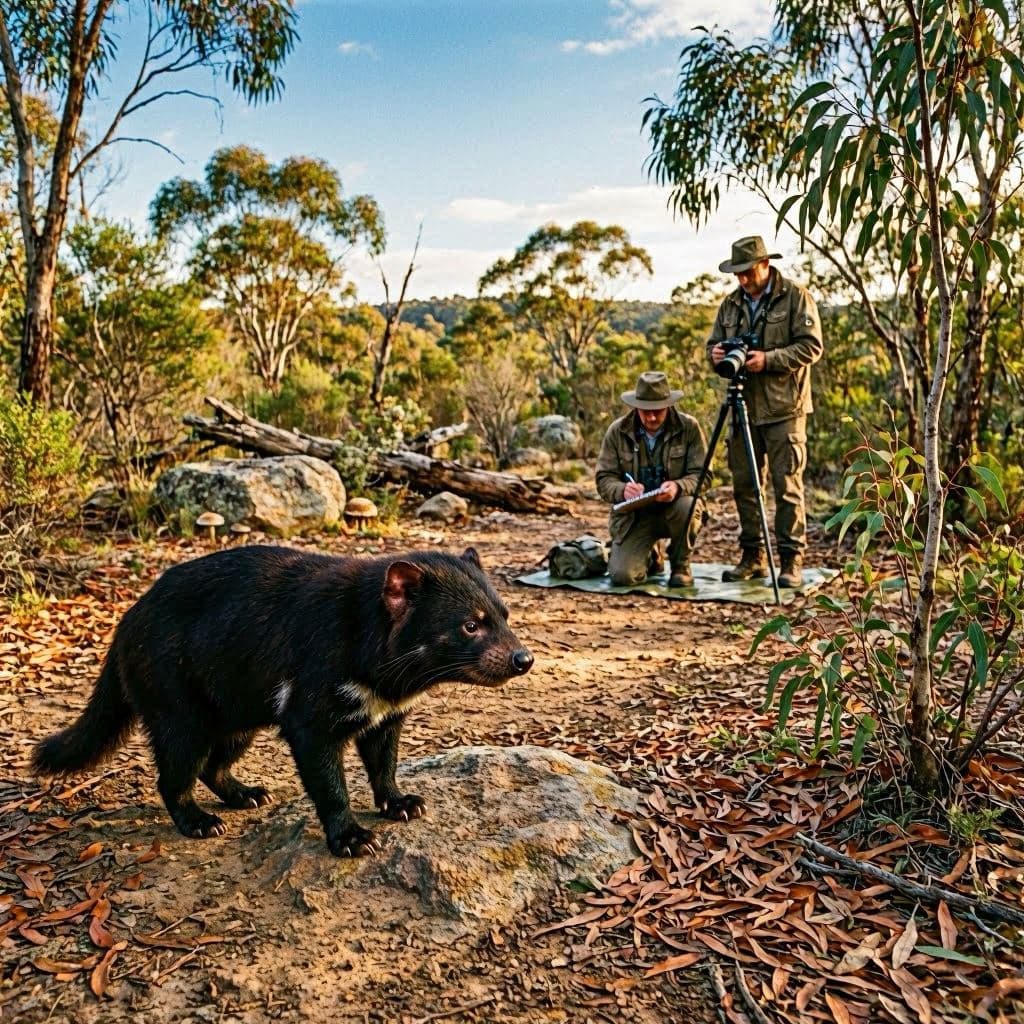
Nature often depends on delicate balances that have evolved over thousands, sometimes millions, of years. Across Australia, many native species have adapted to harsh landscapes, changing climates, and shifting ecosystems. Yet emerging diseases can introduce challenges unlike those encountered before, altering those fragile relationships in unexpected ways.
Australian scientists and wildlife health experts are warning that the continued spread of highly pathogenic avian influenza, commonly known as bird flu, could pose significant risks to the country's native mammals. Concerns have grown as outbreaks in other parts of the world have demonstrated that the virus can affect a broader range of species than previously understood.
Although avian influenza primarily infects birds, recent international cases have shown that some mammal species are also susceptible. Researchers note that marine mammals, carnivores, and scavenging animals may become exposed through direct contact with infected birds or contaminated environments.
Among the Australian species identified as potentially vulnerable are the Tasmanian devil, Australian sea lions, seals, and various native marsupials. Wildlife health authorities are closely monitoring developments to assess potential risks to these populations.
Australia has so far avoided widespread outbreaks of highly pathogenic avian influenza in wildlife populations comparable to those reported elsewhere. Nevertheless, biosecurity agencies continue surveillance programs designed to detect any introduction of the virus as early as possible.
Scientists emphasize that early detection remains essential. Monitoring wild bird populations, strengthening biosecurity measures, and conducting ongoing disease research are viewed as critical tools in protecting both wildlife and agricultural industries.
Conservation experts also stress the importance of coordinated responses involving governments, researchers, veterinarians, and environmental organizations. Such collaboration can improve preparedness and support rapid intervention should outbreaks occur.
While uncertainty remains regarding the long-term impacts of bird flu on Australian wildlife, researchers agree that vigilance and scientific monitoring will play a central role in safeguarding the country's unique biodiversity.
AI-generated image disclaimer: Images accompanying this report are AI-generated editorial illustrations intended solely to visualize the subject matter.
Source Verification Check Sources verified from: ABC News Australia, Australian Department of Agriculture, CSIRO, wildlife health organizations, peer-reviewed scientific research
Note: This article was published on BanxChange.com and is powered by the BXE Token on the XRP Ledger. For the latest articles and news, please visit BanxChange.com