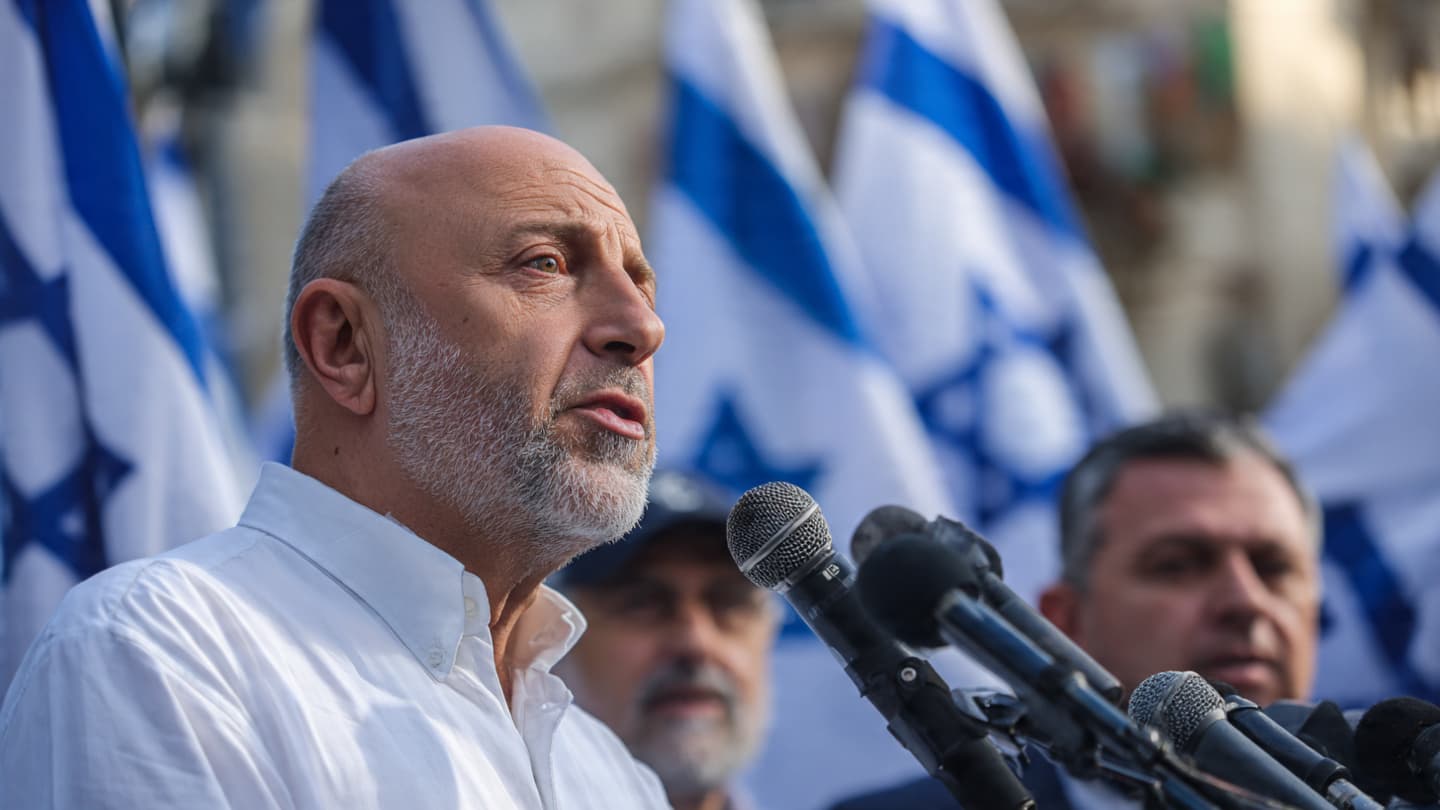
In times of conflict, language often becomes more than speech. A remark delivered in anger, sarcasm, or triumph can travel farther than military movements themselves, shaping diplomatic reactions and deepening emotional divides already stretched by war. In the Middle East especially, where every statement is weighed against history and loss, words spoken by political leaders rarely remain confined to a single moment.
That reality resurfaced this week after renewed international criticism focused on Israeli National Security Minister Itamar Ben-Gvir following comments directed at activists aboard a Gaza-bound flotilla intercepted by Israeli authorities. The controversy quickly expanded beyond the maritime incident itself, reviving broader scrutiny of Ben-Gvir’s long history of inflammatory rhetoric, nationalist activism, and confrontational political positions.
The flotilla incident unfolded as activists attempted to challenge restrictions surrounding Gaza by sea, describing their mission as a humanitarian effort intended to draw attention to worsening civilian conditions inside the territory. Israeli authorities intercepted the vessel, citing security concerns and longstanding naval enforcement policies around Gaza’s coastline.
Attention intensified after Ben-Gvir publicly mocked or taunted the activists involved, prompting criticism from international officials, humanitarian groups, and several foreign governments. Among those responding was Australian Foreign Minister Penny Wong, who described aspects of the treatment and rhetoric surrounding the activists as “shocking and unacceptable.
Yet for many observers, the controversy did not emerge in isolation. Ben-Gvir has long occupied one of the most polarizing positions in Israeli politics, viewed by supporters as a forceful advocate for hardline security policies while critics portray him as emblematic of rising extremism within segments of Israel’s nationalist movement.
Before entering high office, Ben-Gvir built his political identity through years of activism associated with far-right Jewish nationalist causes. He was previously known for provocative demonstrations, outspoken anti-Arab rhetoric, and legal controversies connected to incitement allegations. Though some earlier charges did not result in long-term political exclusion, his public image remained deeply divisive both inside Israel and internationally.
Ben-Gvir also previously displayed admiration for Meir Kahane, the late extremist rabbi whose Kach movement was banned in Israel and designated as a terrorist organization by several countries including the United States. Over time, Ben-Gvir attempted to reposition aspects of his public image within mainstream politics, yet critics argue many of his core positions continue reflecting deeply confrontational nationalist ideology.
Since becoming national security minister under Prime Minister Benjamin Netanyahu’s coalition government, Ben-Gvir has repeatedly generated controversy through comments and policy proposals involving Palestinians, policing, protest restrictions, and settlement expansion. His supporters argue he speaks bluntly about security threats many Israelis feel traditional politicians avoided addressing directly. Opponents, however, warn that such rhetoric inflames tensions while weakening prospects for coexistence and diplomatic stability.
The latest flotilla dispute arrives during one of the most emotionally charged periods in the region’s recent history. Since the Hamas attacks of October 7 and Israel’s subsequent military campaign in Gaza, political rhetoric throughout the conflict has grown increasingly severe on all sides. Civilian casualties, humanitarian shortages, hostage negotiations, and regional instability have intensified international scrutiny toward Israeli leadership and military operations alike.
Within Israel itself, Ben-Gvir remains both influential and controversial. His political strength reflects broader shifts in Israeli society where security concerns, demographic changes, and repeated cycles of violence have pushed parts of the electorate toward harder nationalist positions. Analysts note that figures once considered politically marginal now hold substantial influence within governing coalitions.
At the same time, critics inside Israel — including opposition politicians, civil rights groups, and some former security officials — continue warning that inflammatory rhetoric risks isolating the country diplomatically while deepening internal divisions. They argue that moments requiring restraint and careful diplomacy are instead becoming shaped by political provocation and symbolic confrontation.
The flotilla incident also illustrates how humanitarian activism and geopolitical conflict increasingly intersect through media visibility. Even relatively small maritime confrontations can rapidly become international flashpoints once statements, footage, and political reactions spread globally across television and social media platforms.
For many foreign governments observing the situation, concern now extends beyond individual remarks to the broader tone shaping public discourse surrounding the war in Gaza. International pressure regarding humanitarian conditions has steadily increased, particularly from countries traditionally aligned with Israel but increasingly uncomfortable with aspects of the conflict’s political language and civilian impact.
Still, Ben-Gvir’s supporters maintain that critics unfairly single out Israeli officials while overlooking ongoing security threats facing the country. They argue that flotilla efforts often carry political motives designed to challenge Israeli sovereignty and provoke international condemnation rather than purely humanitarian objectives.
For now, the latest controversy adds another layer to an already fragile diplomatic environment where symbolism, rhetoric, and perception often carry consequences nearly as significant as official policy itself. And in a conflict where every public statement is amplified across borders, the words of one minister can quickly ripple far beyond the shoreline where they were first spoken.
AI Image Disclaimer Graphics are AI-generated and intended for representation, not reality.
Sources Reuters BBC The Guardian Associated Press (AP) Haaretz Al Jazeera CNN The Times of Israel Financial Times The Washington Post
Published by Banx Network. This article is part of the Banx decentralized media programme, powered by the BXE token on the XRP Ledger.