
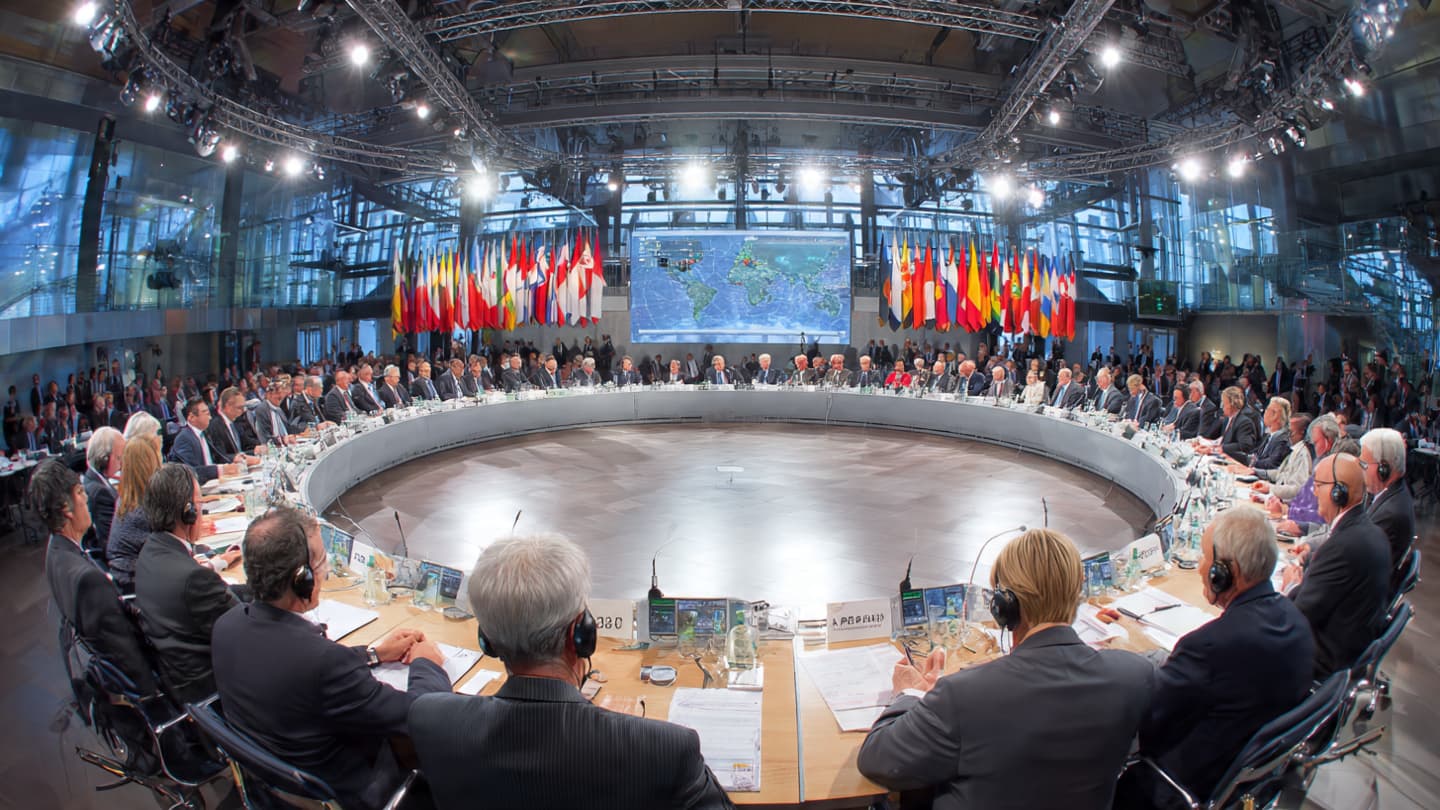
The global economy resembles a vast ocean where countless currents move simultaneously, shaping conditions far beyond the horizon. In such an environment, countries often seek not only to protect their own interests but also to influence the broader direction of international discussions. France has recently taken on a more visible role in this process, placing itself at the center of conversations concerning trade, investment, industrial development, and technological transformation. As world leaders prepare for major international meetings, French officials have emphasized the value of dialogue as a tool for navigating an increasingly complex economic landscape. The effort reflects a recognition that many contemporary challenges extend beyond national boundaries. Supply chain disruptions, inflationary pressures, technological competition, and changing patterns of global investment affect countries across regions and economic systems. France has argued that addressing these issues effectively requires sustained communication among governments, businesses, and international institutions. By encouraging discussion before formal negotiations begin, policymakers hope to reduce uncertainty and identify areas where cooperation remains possible. The country's approach has attracted attention because of the growing fragmentation visible in parts of the global economy. Competition among major powers has intensified in recent years, influencing debates surrounding manufacturing, trade policy, and emerging technologies. Against this backdrop, France has attempted to present itself as a facilitator of constructive engagement rather than confrontation. Supporters view this role as particularly valuable during periods when economic relationships are undergoing significant change. Business leaders have also shown interest in these initiatives. Stable economic conditions often depend on predictable policies and effective communication between key stakeholders. Companies operating across multiple markets benefit when governments maintain open channels of dialogue, reducing the risk of sudden disruptions that can affect investment decisions and long-term planning. Technological innovation has become a major theme in these discussions. Artificial intelligence, digital infrastructure, clean energy technologies, and advanced manufacturing are increasingly seen as strategic sectors capable of shaping future competitiveness. France has encouraged conversations about how countries can support innovation while maintaining fair and sustainable economic frameworks. Such debates are expected to remain central to international economic policymaking in the years ahead. Observers note that economic diplomacy rarely produces immediate results. Progress often emerges gradually through repeated engagement, trust-building, and careful negotiation. Nevertheless, even incremental advances can contribute to greater stability and understanding among participants. France's emphasis on dialogue reflects confidence in this long-term approach. As international leaders prepare for upcoming summits and forums, France's role within these discussions continues to expand. Whether acting as host, facilitator, or participant, the country is seeking to contribute to conversations that may influence the future direction of the global economy. In a period defined by uncertainty and rapid change, that effort highlights the continuing importance of engagement, cooperation, and open communication among nations.
AI Image Disclaimer
Illustrations were produced with AI and serve as conceptual depictions.
Source Check Sources identified before writing:
Reuters AFP Bloomberg Financial Times Le Monde
Note: This article was published on BanxChange.com and is powered by the BXE Token on the XRP Ledger. For the latest articles and news, please visit BanxChange.com