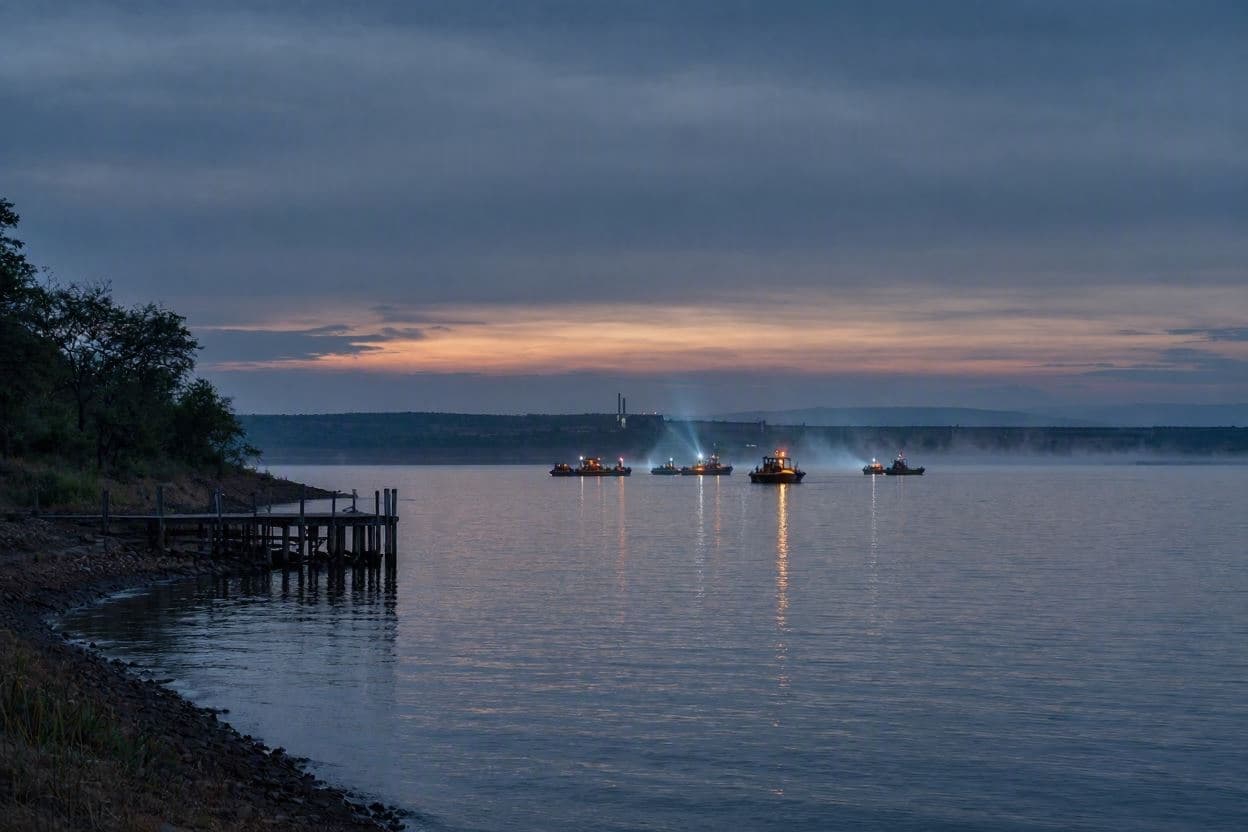
The waters of Lake Kariba, usually a serene expanse reflecting the African sky, have become a site of profound sorrow. In one of the worst maritime tragedies to strike Zimbabwe in recent years, a ferry capsized, leaving at least 92 people dead and dozens more missing. The incident, which occurred on August 11, 2026, has shaken the nation, exposing the fragility of transport infrastructure and the deep human cost of overcrowding on vital waterways.
The vessel, identified as the Mbuya Nehanda, was traveling from Kariba Urban to Chalala Fishing Camp when it succumbed to the weight of its passengers. Reports indicate that the ferry, with a capacity of only 90 people, was carrying significantly more, including many women and children. As the boat listed and sank into the deep waters of the man-made lake, panic ensued, turning a routine journey into a desperate struggle for survival.
Rescue efforts have been relentless, with divers and local fishermen scouring the lake for survivors and bodies. The Zimbabwe Republic Police confirmed the rising death toll on Monday, August 17, after recovering eight more bodies. Among the deceased are 18 children, a detail that has intensified the grief of communities across the region. Seventy-seven people were rescued, but many remain unaccounted for, their families holding onto hope amidst the growing tragedy.
The disaster has sparked a national conversation about safety regulations and enforcement. Lake Kariba is a crucial transport link for remote communities, and ferries are often the only means of accessing markets, schools, and healthcare. However, the pressure to maximize revenue or accommodate urgent travel needs can lead to dangerous overcrowding. This incident serves as a stark reminder of the consequences when safety protocols are compromised.
Government officials have expressed condolences and promised a thorough investigation into the causes of the capsizing. Questions are being raised about the maintenance of the vessel, the qualifications of the crew, and the oversight mechanisms in place. For the families of the victims, these inquiries offer little comfort, but they are essential for preventing future occurrences. The demand for accountability is loud and clear.
Local communities have rallied together, providing support to those affected and assisting in the search efforts. The spirit of unity in the face of adversity is evident, as neighbors help neighbors navigate the shock and loss. Religious leaders have held vigils, offering spiritual solace to the bereaved. It is a testament to the resilience of the human spirit, even in the darkest of times.
The international community has also offered sympathy and assistance, recognizing the scale of the tragedy. Organizations specializing in maritime safety have highlighted the need for better investment in inland water transport infrastructure. For Zimbabwe, this event is a call to action, urging a reevaluation of how public transport is managed and regulated to ensure the safety of all citizens.
As the recovery operations continue, the focus remains on identifying the missing and supporting the grieving. The number 92 is not just a statistic; it represents lives cut short, dreams unfulfilled, and families forever changed. The memory of those lost will linger on the shores of Lake Kariba, a solemn reminder of the importance of safety and care in every journey.
AI Image Disclaimer: The visual elements in this article are AI-generated illustrations depicting somber lake scenes and memorial concepts, designed to reflect the gravity of the event without showing real victims or graphic content.
Sources: Al Jazeera, Sky News, The Zimbabwean, SABC News
Note: This article was published on BanxChange.com and is powered by the BXE Token on the XRP Ledger. For the latest articles and news, please visit BanxChange.com