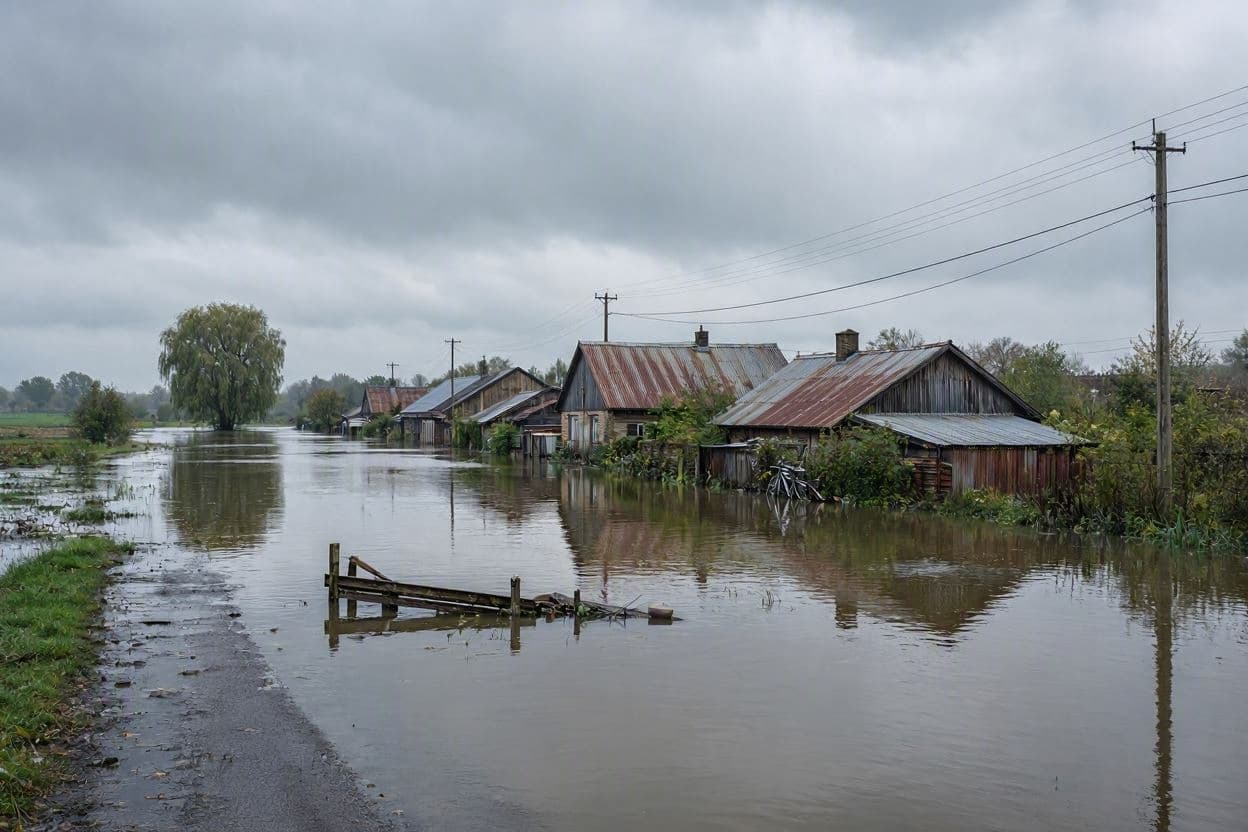
Water, in its gentlest form, is a source of life, nourishing the soil and filling the rivers that carve through the heartland. But when the skies open without reprieve, that same water can become a force of overwhelming destruction. In Indiana, days of relentless rain have swollen creeks into raging torrents, submerging towns and claiming at least seven lives. The state, accustomed to the rhythms of the seasons, now faces a historic deluge that has left communities reeling and families mourning.
The flooding began after a powerful storm system dumped more than a foot of rain on parts of the state, saturating the ground until it could absorb no more. Rivers breached their banks, washing away roads and isolating neighborhoods. Among the victims was a four-year-old boy, whose death underscores the indiscriminate nature of such disasters. Others lost their lives trying to navigate flooded streets or seeking shelter from the rising waters. Each loss is a tragedy that ripples through the tight-knit communities of the Midwest.
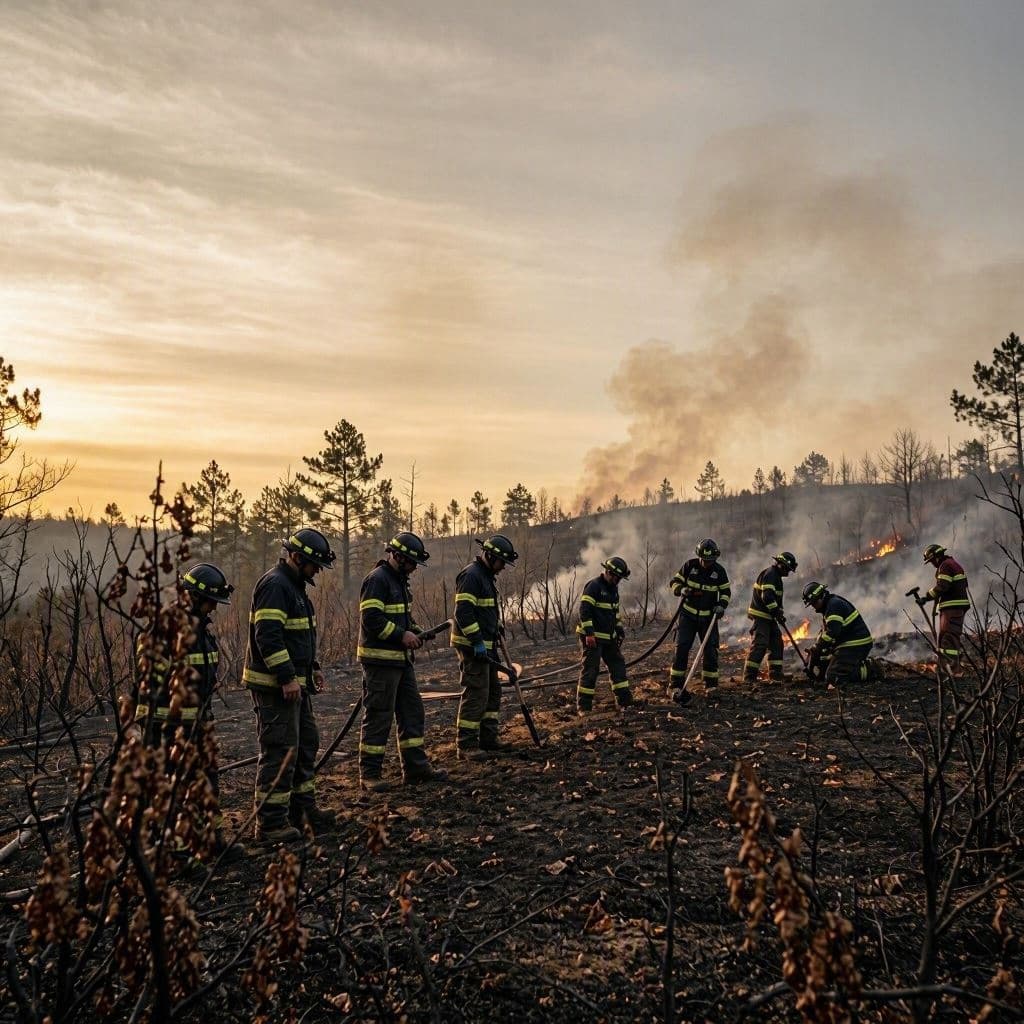
Emergency responders worked tirelessly in hazardous conditions, using boats and high-water vehicles to rescue stranded residents. National Guard units were deployed to assist with evacuations and deliver supplies to cut-off areas. The scale of the response reflects the severity of the crisis, as local resources were stretched thin by the sheer volume of water and the number of people in need. Despite their efforts, the toll continued to rise, a somber reminder of nature’s power.
For those who survived, the aftermath is a landscape of mud and debris. Homes are damaged, possessions ruined, and daily routines shattered. The psychological impact is profound, as residents grapple with the sudden loss of security and stability. Community centers have opened as shelters, offering not just a dry place to sleep but a space for shared grief and mutual support. In these moments, the strength of human connection becomes a vital resource.
Climate scientists note that while weather variability is natural, the intensity of such events is increasing. Warmer air holds more moisture, leading to heavier rainfall and more frequent flash floods. Indiana’s experience is part of a broader pattern affecting regions across the country, challenging infrastructure and emergency planning. Adapting to this new reality requires investment in resilient systems and updated warning protocols.
Governor Mike Braun declared a state of emergency, unlocking funds for recovery and repair. Federal assistance is expected to follow, helping to rebuild bridges, roads, and public facilities. However, the process will be long and arduous. For many farmers, the flooding has destroyed crops, threatening livelihoods and adding economic stress to the emotional burden. The road to recovery is paved with both physical labor and financial strain.
As the waters begin to recede, the focus shifts to cleanup and restoration. Volunteers are mobilizing to help neighbors clear out homes and salvage what they can. The spirit of resilience is evident in every shovel of mud removed and every shared meal. It is a testament to the enduring character of Hoosiers, who face adversity with determination and grace.
In the quiet moments after the storm, there is reflection on the fragility of life and the importance of community. The seven lives lost are remembered not just as statistics but as neighbors, friends, and family members. Their memory serves as a call to action, urging society to prepare better, care deeper, and build a future that can withstand the storms to come.
AI Image Disclaimer: The visual elements in this article are AI-generated illustrations depicting flooded landscapes and rescue efforts, designed to reflect the gravity of the event without showing real victims or graphic distress.
Sources: AP News, PBS NewsHour, The Guardian, NewsNation
Note: This article was published on BanxChange.com and is powered by the BXE Token on the XRP Ledger. For the latest articles and news, please visit BanxChange.com