In the eastern regions of Ukraine, the rhythm of daily life is frequently interrupted by the sound of sirens and the shock of explosions. Recently, a series of Russian attacks resulted in the deaths of at least 18 people, a grim reminder that the war continues to exact a heavy human toll. These strikes, targeting both military and civilian infrastructure, underscore the relentless nature of the conflict and the vulnerability of communities living on the front lines.
The attacks occurred across several oblasts, with significant damage reported in residential areas. Emergency services worked tirelessly to rescue survivors from the rubble, while medical teams treated the wounded in overcrowded hospitals. For the families of the victims, the loss is sudden and devastating, leaving a void that cannot be filled. Each number represents a life cut short, a story unfinished, and a community mourning.
Russian forces have intensified their aerial campaigns in recent weeks, using drones and missiles to target energy facilities and transportation hubs. While Moscow claims these strikes are aimed at military logistics, the collateral damage often affects civilians disproportionately. The pattern of attack suggests a strategy of attrition, aiming to weaken Ukrainian resolve by disrupting essential services and creating fear among the population.
Ukrainian air defense systems managed to intercept many of the incoming threats, but the sheer volume of attacks overwhelms even the most robust defenses. Officials have urged citizens to remain vigilant and seek shelter when alarms sound. Despite the danger, life persists. Schools open, markets operate, and people continue to support one another, demonstrating a resilience that has become a hallmark of the Ukrainian spirit.
International condemnation of the attacks has been swift, with leaders from Europe and North America reiterating their support for Ukraine. Calls for increased air defense supplies and humanitarian aid have grown louder, as the winter months approach and the need for stable energy becomes critical. The global community watches with concern, aware that the stability of the region depends on Ukraine’s ability to withstand these pressures.
For the soldiers on the ground, the attacks add urgency to their mission. They fight not only for territory but for the safety of their families behind the lines. The connection between the front and the home front is tangible, with every strike reinforcing the determination to defend sovereignty. This shared purpose binds the nation together, even in the face of immense hardship.
Humanitarian organizations continue to provide essential support, distributing food, medicine, and psychological care to those affected. Their work is vital in mitigating the immediate impact of the violence, offering a semblance of normalcy in chaotic times. Yet, the scale of the need often outstrips the resources available, highlighting the importance of sustained international assistance.
As the sun rises over the damaged landscapes, the focus shifts to recovery and repair. Workers clear debris, engineers restore power, and communities come together to heal. The scars of war are visible, but so is the strength of those who endure. For now, the threat remains, but so does the hope for a future defined by peace rather than conflict.
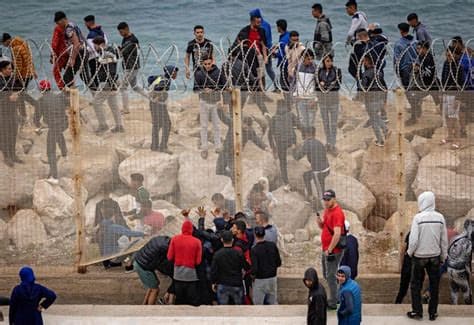
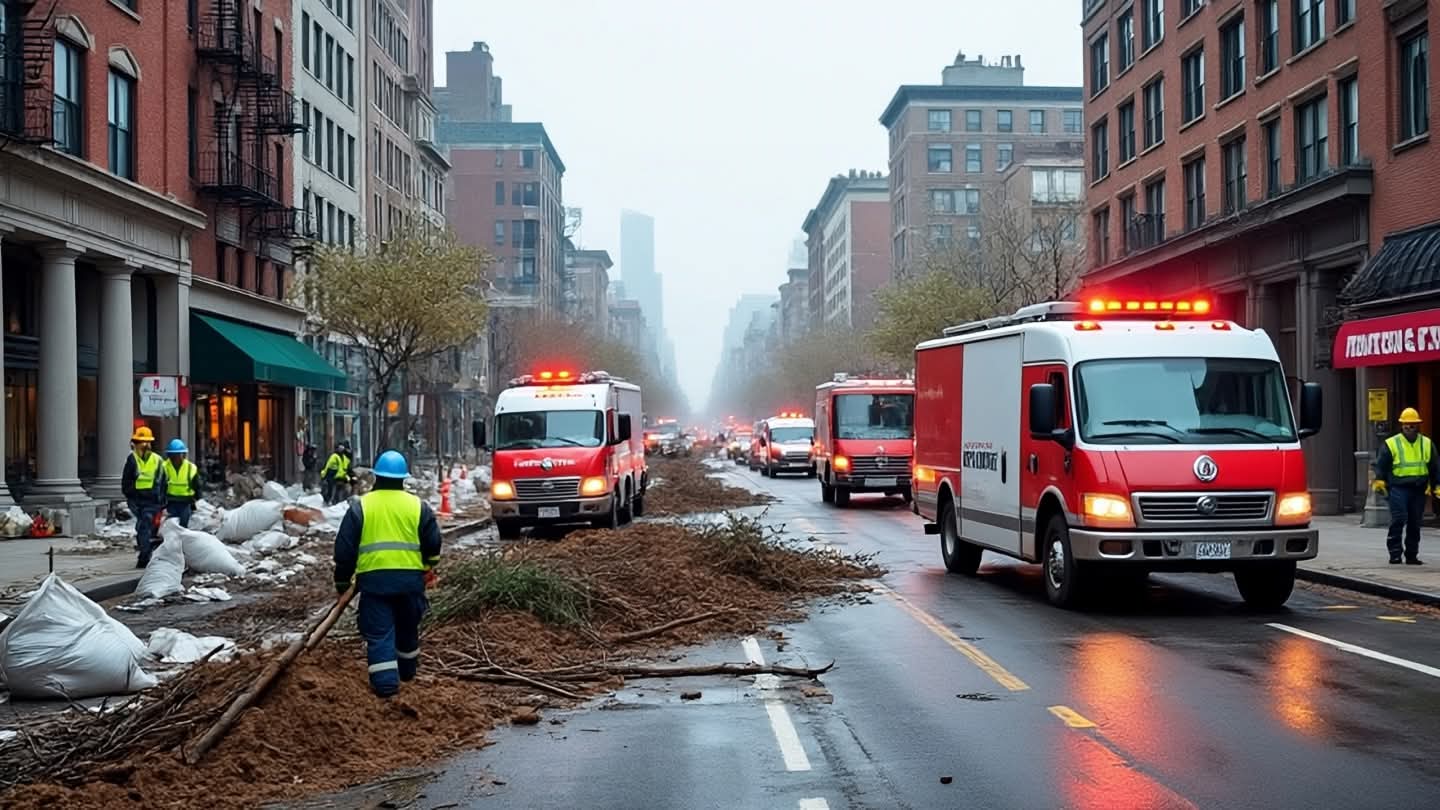
AI Image Disclaimer: Visuals in this article are AI-generated illustrations of urban landscapes and abstract representations of resilience, designed to visualize the theme of conflict impact without depicting real victims or graphic destruction.
Sources: Reuters, BBC News, Al Jazeera, Kyiv Independent
Note: This article was published on BanxChange.com and is powered by the BXE Token on the XRP Ledger. For the latest articles and news, please visit BanxChange.com