
Trade barriers are not always visible. Sometimes they appear not as customs duties, but as differing regulations, administrative procedures, and technical standards that quietly slow the movement of goods. Across Southeast Asia, policymakers are increasingly focused on reducing such non-tariff barriers to deepen regional economic integration.
ASEAN member states have renewed calls for stronger efforts to eliminate unnecessary regulatory obstacles that hinder trade within the region. Officials believe that addressing these barriers could significantly improve market efficiency and competitiveness.
Although tariffs have declined substantially under existing ASEAN agreements, businesses continue to face challenges associated with differing product standards, licensing procedures, and customs requirements across member countries.
Business groups have long argued that these non-tariff measures can increase costs, create delays, and reduce the benefits of regional trade agreements. Small and medium-sized enterprises are often particularly affected due to limited resources.
Regional policymakers are therefore exploring mechanisms to harmonize standards, simplify administrative procedures, and improve transparency across national regulatory systems.
The ASEAN Secretariat is expected to play an important coordinating role in facilitating these reforms. Enhanced institutional cooperation may help accelerate implementation and monitor progress among member states.
Economists suggest that reducing non-tariff barriers could strengthen supply chains, attract investment, and support economic recovery across Southeast Asia.
As ASEAN continues its journey toward deeper integration, efforts to remove these less visible obstacles may prove just as important as traditional trade liberalization measures in shaping the region's economic future.
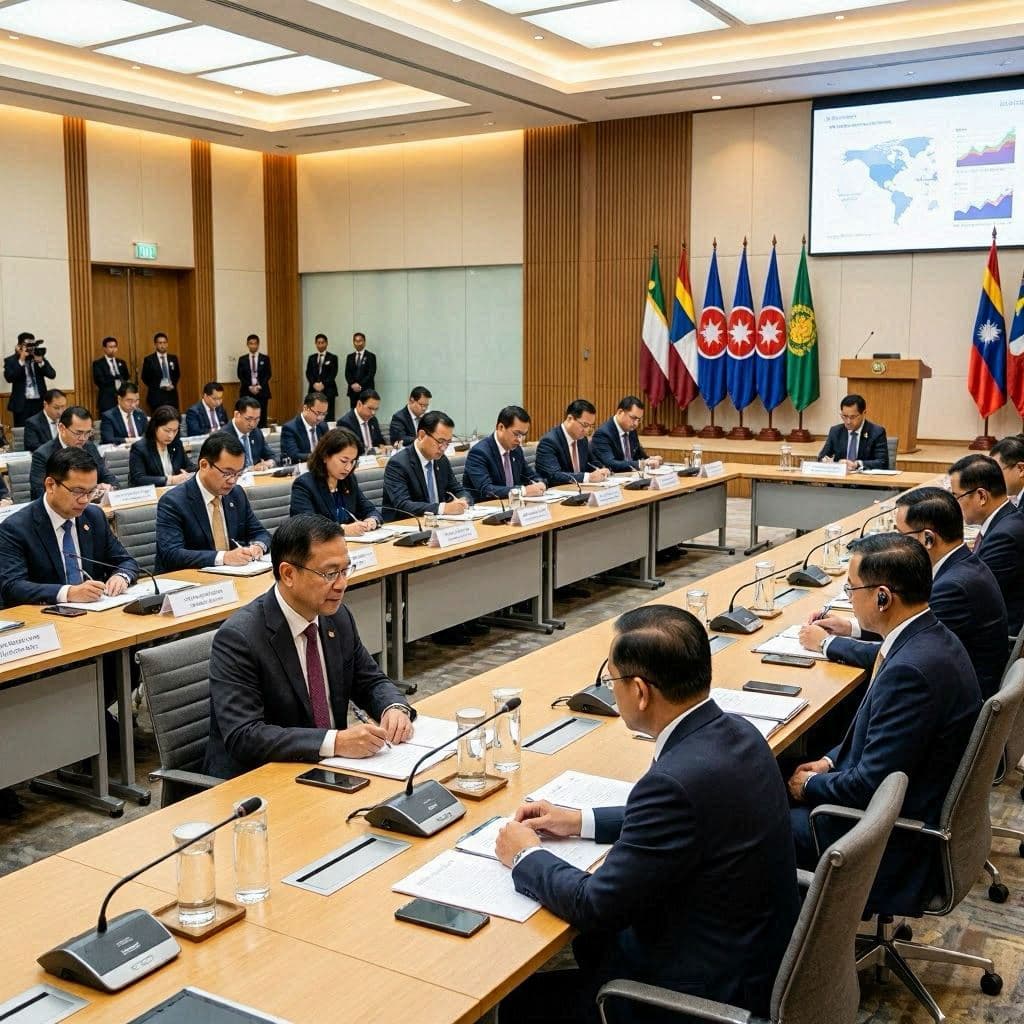
AI Image Disclaimer: Illustrations featured in this article are AI-generated and intended solely for editorial visualization.
Sources (Verified): Reuters, ASEAN Secretariat, regional business organizations
Note: This article was published on BanxChange.com and is powered by the BXE Token on the XRP Ledger. For the latest articles and news, please visit BanxChange.com